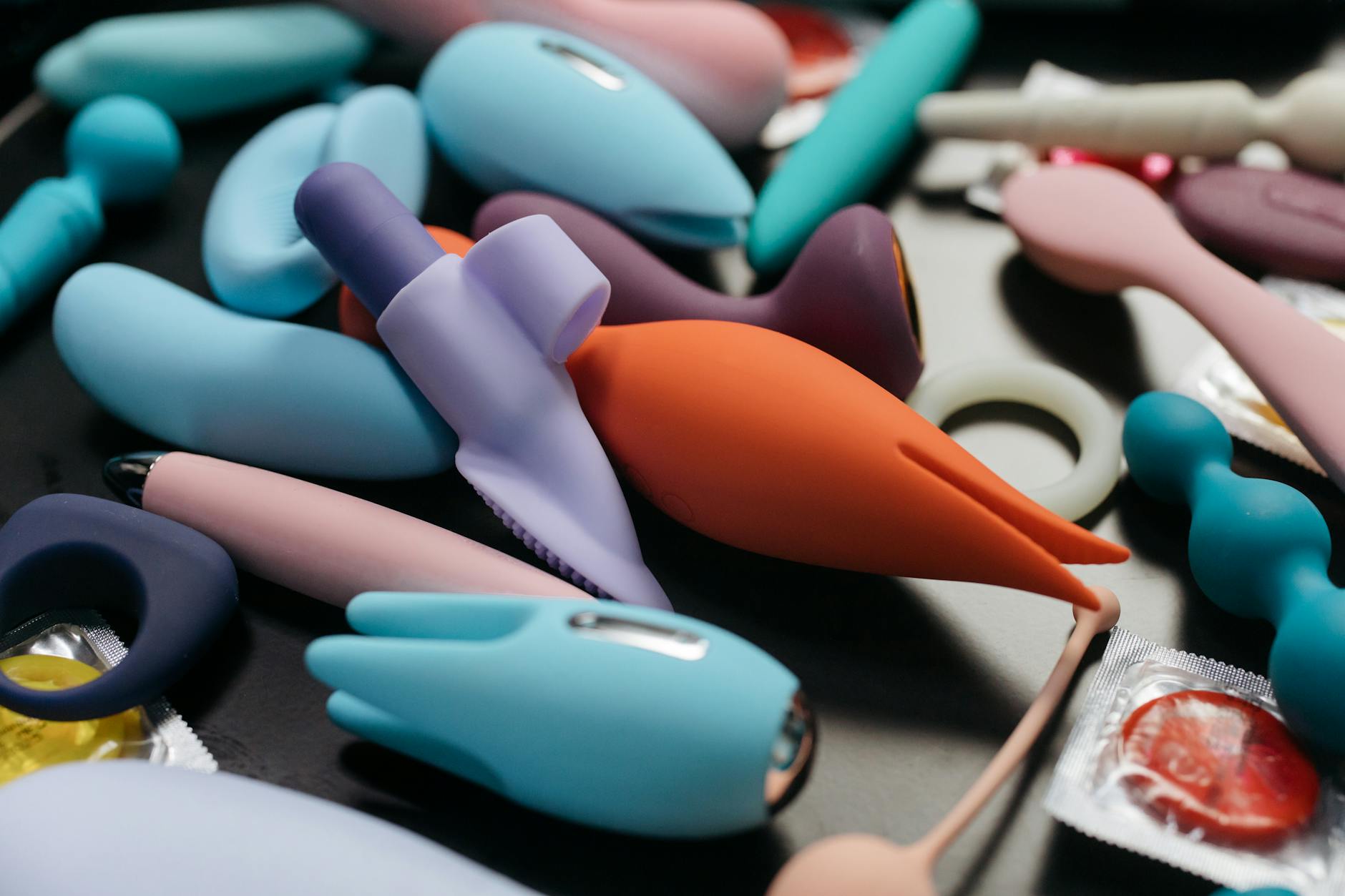
Numbness isn't permanent, but it does change the game
Let's be real. When sensation fades, pleasure feels impossible. You touch yourself and feel almost nothing. Your partner touches you and you're wondering if you're even there. That disconnect is brutal, and it's also way more common than anyone talks about.
Numbness or reduced sensation happens for concrete reasons. Diabetes complications, peripheral neuropathy, chemotherapy side effects, spinal cord issues, even certain antidepressants and blood pressure meds. Your nervous system isn't broken. It's just sending weaker signals. The clitoris still has all its nerve endings. They're just not firing the way they used to.
Here's the good news that changes everything: vibration works differently on numb tissue than finger stimulation does. It's not about pressure or friction. It's about frequency. A device like the Lem uses suction and micro-vibrations to activate those nerves in a way manual touch simply can't.
Why vibration reaches where touch doesn't
Your clitoris has about 8,000 nerve endings packed into a tiny area. When you use your hand, you're applying pressure and friction to the surface. Vibration travels deeper. It creates a chain reaction in the nerve fibers themselves, waking up dormant pathways and forcing them to fire again.
Think of it like this. A numb hand doesn't respond to a tap. But tap it repeatedly and fast enough, and somewhere in there, a signal gets through. That's vibration. The frequency essentially bypasses the normal threshold for sensation.
Air-suction devices work particularly well for reduced sensation because they're not asking your tissue to feel texture or pressure. They're creating rhythmic suction that stimulates the entire clitoral complex, including the internal parts you can't touch manually. For people with numbness, that widespread stimulation often registers when localized touch doesn't.
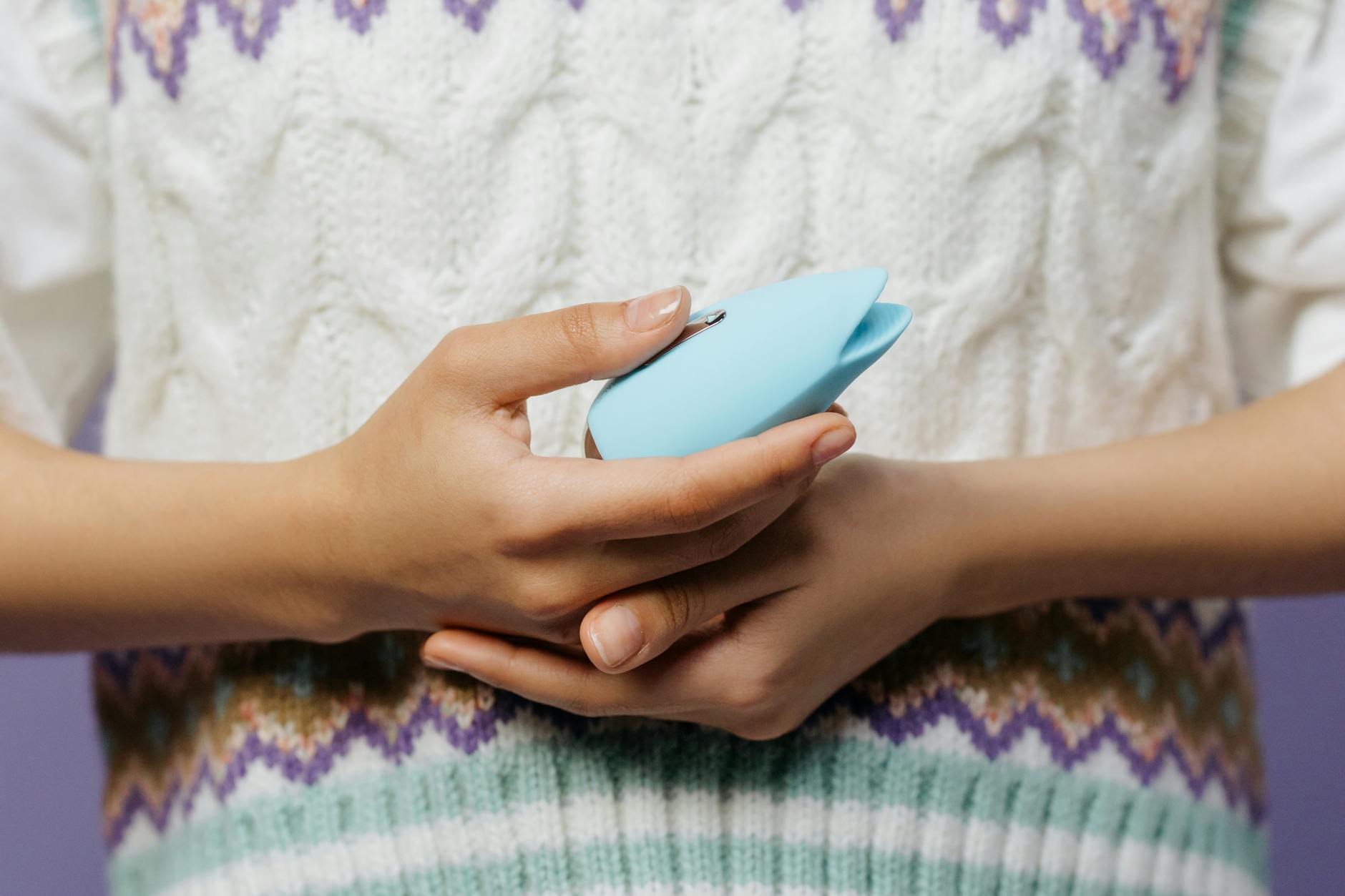
Photo by cottonbro studio on Pexels
Starting from zero sensation: a retraining protocol
If you've had numbness for a while, your brain has learned not to expect sensation from that area. Rewiring takes intention. Here's how I work with clients on this.
Step one: Find your threshold. Start with the Lem on the lowest setting. Place it against your clitoris and leave it there for 30 seconds without moving it. Don't expect to feel anything yet. You're teaching your nervous system to recognize the stimulus. Repeat this for 3-5 days. Every single day matters.
Step two: Build frequency gradually. Once the lowest setting registers as "something," move to setting two. Again, 30 seconds, stationary. You might feel a subtle buzz or warmth. That's the signal rebuilding. Stay there for another 3-5 days. Your nerves need time to remember how to respond.
Step three: Add movement and rhythm. Once you can feel vibration clearly at a given setting, start moving the device in small circles. Use a consistent pattern. This teaches your nervous system to track movement and build anticipation. Many people with reduced sensation respond better to rhythmic patterns than random stimulation.
Step four: Extend duration. As sensation improves (and it will), gradually extend sessions from 5 minutes to 10, then 15. Don't rush to orgasm. That comes later. Right now you're rewiring the basic sensation pathway.
This protocol typically takes 2-4 weeks. Some people regain feeling much faster. Some take longer. The timeline depends on why you lost sensation in the first place. But consistency matters way more than intensity.
Managing expectation and frustration
Rewiring sensation is not like discovering pleasure for the first time. It can feel slower. It feels less dramatic. Your brain expects fireworks because that's what marketing teaches us to expect. Rewiring feels like learning to see after being in the dark. Subtle. Gradual. Real.
One of the biggest mistakes I see is people jumping to high intensity too quickly because they're frustrated with slow progress. That's exactly backwards. High intensity on numb tissue doesn't feel good. It feels painful or uncomfortable. You want to start so subtle that you're almost unsure if anything is happening, then build from there.
Partners, here's what helps. Stop asking if they can feel it. Instead say "Try this for two minutes and tell me what happens." The difference is huge. One question creates performance pressure. The other creates curiosity.
Medication and nerve damage specific angles
If your numbness comes from diabetes, keep your blood sugar as stable as possible during rewiring. Spikes and crashes destabilize your nervous system further. More stable blood sugar means more stable sensation.
If you're on antidepressants or blood pressure medication, don't stop them. But talk to your doctor about timing. Some people find their sensation peaks at certain times of day relative to when they take medication. Experimenting with that schedule can help.
Chemotherapy damage and other nerve injuries often respond slowly to rewiring. You might not regain 100 percent sensation. But 60 percent or 70 percent is transformative compared to numbness. Work with that. Celebrate small wins.
Sensation and arousal aren't the same thing
This is important. Your brain arousal and your physical sensation are two different systems. You can be mentally aroused while feeling nothing physically. You can feel sensation without being aroused. During rewiring, these often get confused.
If you're focused entirely on trying to regain feeling, you're not building arousal. You're doing physical therapy. Both matter, but they need different headspace. Some days, use the Lem purely as a sensation exercise. No pressure to get turned on. Other days, use it as foreplay with your partner or yourself, with the goal of actual pleasure.
When you have a sensitive nervous system, the opposite problem exists. You might benefit from gentler suction-based stimulation. The Lem's design suits both ends of the sensitivity spectrum.
Combining rewiring with lubrication and comfort
Numb tissue is often also less lubricated. Even if you're producing normal lubrication, numb tissue doesn't have the same feedback, so you might not realize you need more.
Always use water-based lube. Not optional. It reduces friction that you can't feel (meaning you won't realize if you're getting irritated), and it makes the suction sensation clearer. The Lem works beautifully with lube. It doesn't degrade silicone, and it makes the entire experience smoother.
Comfortable positioning matters too. If you're tensing your pelvic floor waiting to feel something, you're actually making sensation harder. Lie back, relax fully, and let the device do the work.
When rewiring plateaus and what to do
Sometimes you get to 60 percent sensation and stop improving. That's not failure. That's the plateau where your particular nerve damage stabilizes.
At that point, shift your goal. Instead of "I want to feel normal," try "I want to feel pleasure with what I can access." Many people with partial sensation describe their orgasms as different, not worse. Deeper, more internal, less focused on the tip and more spread throughout their body. Your rewired pleasure might look completely different from your pre-numbness pleasure. That's okay.
If you're dealing with emotional disconnection from your body, numbness often comes with that. Both need attention. Using the Lem as a tool to reconnect, not as a performance device, helps bridge that gap.
Monitoring progress without obsessing
Keep a simple note of dates and what you noticed. Not a journal with feelings. Just facts. "April 12: Set 1, 30 seconds, felt mild warmth." After two weeks, reading back through the notes often shows progress that didn't feel obvious day-to-day.
Take a break if it stops being interesting. Rewiring doesn't require grinding through discomfort. If you're frustrated, step back for a week. Your nervous system will keep processing in the background anyway.
FAQ
Can vibrators actually restore sensation that was lost?
Vibrators don't restore dead nerves, but they can help reactivate dormant neural pathways. Most numbness isn't complete death of nerve endings. It's reduced signal strength. Regular vibration stimulation can retrain your nervous system to recognize and amplify those signals again. This process is called neuroplasticity, and it's real, but it takes time and consistency.
How long does sensation rewiring usually take?
Most people notice measurable improvement within 2-4 weeks of daily use. Some feel changes within days. Others take 8-12 weeks. It depends on the cause of your numbness, how long you've been numb, and how consistent you are. Think of it like physical rehabilitation. Daily practice matters more than intensity.
What if I have no sensation at all in my clitoris?
Start with the absolute lowest setting and place the device without movement. You're not looking for pleasure yet. You're looking for any physical sensation at all. A buzz, a vibration, pressure, warmth. Any of those is a signal. Once you can detect something, build from there. If you feel truly nothing after two weeks of daily lowest-setting use, talk to your doctor. Sometimes the numbness is too severe for this approach alone, and other interventions might help.
Does numbing cream help with reduced sensation?
No. You're trying to create sensation, not remove it. Numbing cream would work against you. Skip it entirely during rewiring. If you have pain alongside numbness, that's a different issue and worth discussing with a healthcare provider separately.
Can I use a lemon vibrator if I have diabetes-related numbness?
Absolutely. The Lem and other lemon sexual toys are excellent for diabetic neuropathy because they work on frequency rather than pressure. The only thing to watch is that you're not pressing too hard (you might irritate tissue without realizing it), and keeping your blood sugar stable during rewiring sessions. Your nervous system responds better to stimulation when your baseline is steady.
Should I involve my partner during sensation rewiring?
Not at first. This is about you and your body relearning. Once you've rebuilt some baseline sensation (usually after 3-4 weeks), having your partner involved can be great. They can help you notice progress you might miss solo, and it reconnects pleasure to intimacy. But the foundational rewiring works best solo, at your own pace, with no pressure.
You're not starting from broken
Numbness changes pleasure, but it doesn't end it. The Lem and other lemon clitoral vibrators work because they're built for how your nervous system actually responds, not how it "should" respond. Your sensation can come back. Your pleasure can rebuild. And honestly, lots of people who've rewired after numbness describe their new pleasure as richer and more intentional than it was before. It's not the same journey. But the destination is real, and you're closer to it than you think.