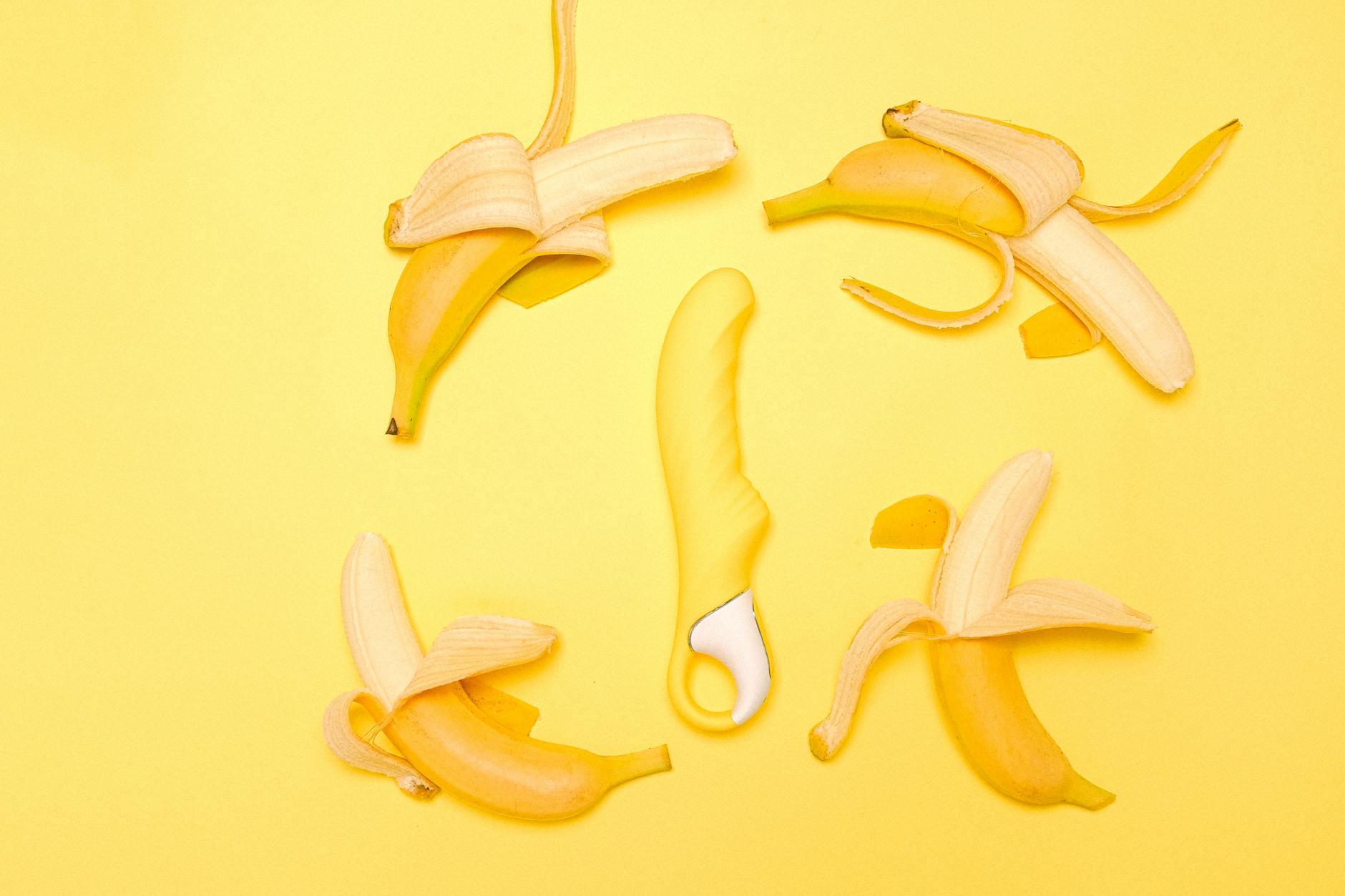
Let's be real about disconnection
Body disconnection is not uncommon, and it's not something you caused or deserve. Trauma, chronic stress, anxiety, depression, relationship patterns, even just a relentless work pace can convince your nervous system that feeling nothing is safer than feeling something. Your brain builds a wall between you and physical sensation as a protection strategy. The problem is that wall doesn't know when to come down.
When you're disconnected from your body, sex becomes a transaction your mind performs while your body watches from a distance. Orgasm becomes harder to reach. Pleasure feels muted or hollow. Even arousal takes longer to spark because the signals aren't getting through.
Here's what's actually happening: your vagus nerve is stuck in a state that prioritizes survival over sensation. You're not broken. Your nervous system is doing exactly what it learned to do. The good news is that sensation is learnable. You can rebuild the connection between your brain and your body, and lemon clitoral vibrators are surprisingly effective tools for doing that.
Why vibration works for dissociation
When you're disconnected, your nervous system needs something powerful and consistent to notice. Touch alone often doesn't cut it. A gentle hand or even penetration might not register because your brain has learned to tune it out.
Vibration is different. It creates a physical signal that's hard to ignore. The Lemon's suction and gentle pulsing are specifically useful here because they stimulate without requiring your brain to interpret subtlety. You don't have to wonder if you're feeling something. The sensation is loud enough to break through the fog.
More importantly, vibration can activate your parasympathetic nervous system, the part of you that says it's safe to relax. That's where pleasure lives. When your body starts to recognize that vibration as a safe, predictable form of stimulation, your nervous system begins to lower its defenses.
The grounding approach: sensation before pleasure
Don't start by trying to have an orgasm. That's the opposite of what works here.
Instead, use your Lemon as a grounding tool. Set aside 15 to 20 minutes when you're not in a rush. Lie down somewhere comfortable. Start by noticing your breath. Notice your body against the surface beneath you. The goal is presence, not arousal.
Turn on your Lemon at the lowest setting. Don't go directly to your clitoris. Start on your inner thigh, your hip bone, your pubic mound. Slowly move it around. Your job is simply to notice what you feel. Not to judge it, not to force it into pleasure, just to register sensation.
Many people with dissociation report that the first few times using a vibrator feels strange or even uncomfortable because they're not used to feeling. That's normal. Discomfort is still information. Your nervous system is waking up.
Over several sessions, as your body starts to trust that vibration is safe, you can begin to explore more sensitive areas. Move closer to your clitoris. Experiment with different patterns. The Lemon's adjustable intensity is crucial here because you're learning what feels good at your own pace, not what a fixed vibration tells you should feel good.
Anchoring sensation with breath
Dissociation often involves holding your breath or breathing shallowly. Your nervous system interprets that as continued danger.
While you're using your Lemon, anchor yourself with intentional breathing. Breathe slowly and deeply through your nose. As you exhale, imagine grounding into your body. Some people find it helpful to count: breathe in for four, hold for four, exhale for six.
The longer exhale signals to your nervous system that you're safe. Combined with the gentle stimulation from your Lemon, breathing becomes a bridge between sensation and presence.
If you notice yourself drifting away or dissociating during use, pause. Come back to your breath. Notice five things you can see in the room. Feel your feet on the ground. The goal is never to push through disconnection. It's to practice staying present for longer stretches, then gradually extending that.
Building arousal from a dissociated place
Once you've spent a few weeks building sensation awareness, arousal often starts to show up more naturally. Your nervous system has learned that this stimulation is safe, and it begins to respond.
At this point, you can start to explore patterns and intensities that feel pleasurable rather than just noticeable. The Lemon works beautifully here because the suction sensation is distinct from vibration alone. Many people find that the combination of pressure and gentle pulsing creates a sensation that's easier to focus on than traditional vibration, especially if your brain tends to dissociate.
As arousal builds, keep returning to your breath. Notice what you're feeling without trying to make it into something. Let orgasm happen if it wants to. If it doesn't, that's completely fine. The goal is reconnection, not performance.
When disconnection is tied to a relationship
If your body disconnection is happening because of relationship stress or a pattern of not feeling seen by your partner, solo exploration with your Lemon is still the foundation. But the dynamic shifts.
Once you've rebuilt sensation awareness on your own, you might eventually feel ready to invite your partner into the experience. That's a separate conversation, and one worth having explicitly. Let them know you're using tools to reconnect with your body, and that if they ever join, the goal is presence together, not performance.
When partners understand dissociation as a nervous system response rather than a rejection of them, the tone completely changes. Many couples find that slow, patient shared exploration actually accelerates reconnection because the nervous system learns that intimacy is safe.
The timeline is your own
Rebuilding sensation after dissociation takes weeks, sometimes months. That's not slow. That's realistic.
Your nervous system didn't disconnect overnight. It won't fully reconnect overnight either. What matters is consistency and patience with yourself. Using your Lemon two or three times a week, with the mindset of gentle exploration rather than outcome, tends to show noticeable shifts within four to six weeks.
Most people report that the first breakthrough moment comes when they realize they're actually feeling something without having to try. That's when you know the wall is coming down.
FAQ: Body disconnection and vibrators
Why does my body feel numb even when a vibrator is on the highest setting?
Higher intensity doesn't always equal more sensation, especially when you're dissociated. Your nervous system might actually tune out loud stimulation as another threat. Go lower. Slower. Let your body learn that feeling is safe before you ask it to feel intensely. The Lemon's gentle suction and adjustable patterns are designed for exactly this.
Can I use a lemon clitoral vibrator if I have trauma history?
Absolutely, but approach it as a tool for rebuilding safety, not as a shortcut to pleasure. Go slow. Stop anytime something feels like too much. If trauma-related dissociation is severe, working with a therapist alongside your own exploration is really valuable. They can help you understand your nervous system's specific patterns.
What if I feel anxious or panicked when I try to use my vibrator?
That's your nervous system saying it doesn't feel safe yet. Pause. Ground yourself. Come back to your breath. You might need to spend more time building safety with non-sexual touch first, or with a partner present if that feels safer. There's no rush. Your body gets to set the pace.
How often should I use a lemon vibrator to rebuild sensation?
Two to three times a week is ideal. Frequent enough to build a consistent signal to your nervous system, but not so frequent that it becomes obligatory or stressful. If you're using it as a grounding tool rather than chasing orgasm, the rhythm matters more than the intensity.
Can dissociation and pleasure exist at the same time?
Not really, but that's okay. Early on, pleasure isn't the goal. Presence is. As you rebuild the connection between your mind and body, pleasure naturally follows. It's not that you're choosing disconnection. It's that your nervous system needs permission to feel before it can enjoy.
What's the difference between using a suction vibrator versus a traditional vibrator for dissociation?
Suction, like what the Lemon offers, creates a sensation of gentle pressure and release. Many people find this easier to focus on than pure vibration because it feels more like touch, less like a machine. The rhythm is also easier to follow mentally, which helps anchor you to your body. Both can work, but suction tends to feel more grounding for people rebuilding sensation.
The real work happens between sessions
Your Lemon is a tool, but the deeper work is teaching your nervous system that your body is safe. That happens through breathing, through slowing down, through noticing sensation throughout the day, not just during sex.
Pay attention to how you feel in your body generally. Notice temperature. Notice texture. Notice the weight of your body on a chair. These small moments of awareness are what actually rebuild the connection. Your vibrator is just a concentrated version of that practice.
Disconnection from your body doesn't last forever. You can rebuild sensation. You can learn to feel pleasure again. It takes patience, but it's absolutely possible. That's where the real pleasure begins.