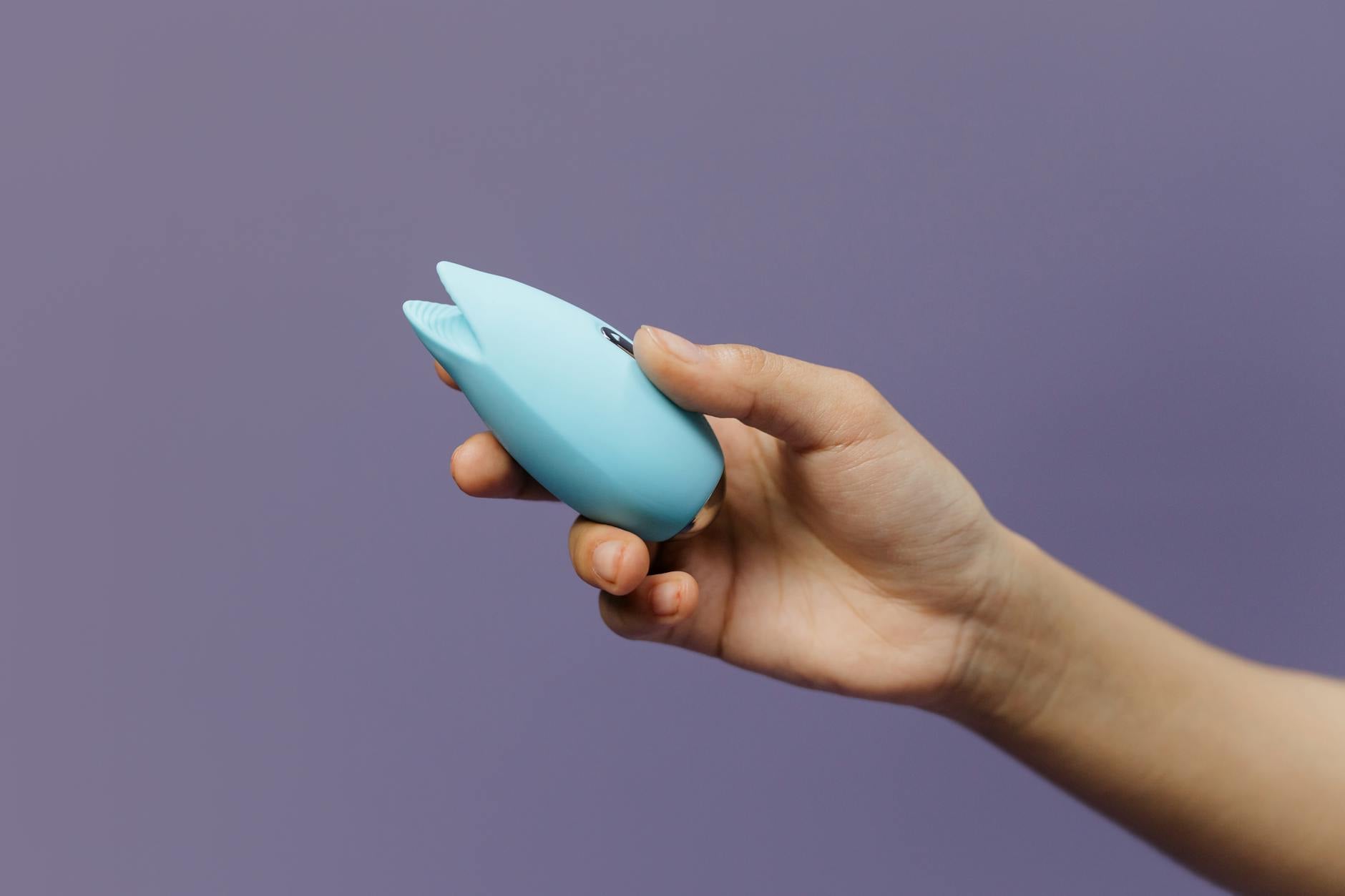
When the desire you knew just stops showing up
Midlife doesn't announce itself. It arrives quietly. One day you realize you haven't thought about sex in weeks. Or you're thinking about it, but it feels like thinking about someone else's life. Your body doesn't respond the way it used to. Your partner seems like a stranger in the same bed. And the thing you used to reach for without hesitation now feels like something you have to negotiate with yourself about.
Here's what I know from sitting with hundreds of couples in this exact moment. Disconnection from pleasure during midlife relationship shifts isn't a failing. It's actually information. Your body is telling you something changed. The question is whether you're willing to listen and rebuild from there.
Lemon vibrators, specifically clitoral vibrators like the Lemon, can be a powerful reset button in this season. But not because they're magic. Because they return pleasure to the foreground when everything else has pushed it backstage.
What midlife actually changes about desire
Let's be specific about what's happening in your body and your relationship right now.
Hormonal shifts don't just reduce lubrication and sensation. They change your brain's speed of arousal. You might need more time, more direct stimulation, or both. Emotionally, midlife often brings accumulated stress. Career pressure, aging parents, relationship patterns you've finally noticed. That mental load tanks libido faster than almost anything else.
In partnerships, midlife also shifts the rhythm. After 15, 20, or 30 years together, the automatic reach-for-each-other fades. One partner feels the lack more acutely. The other doesn't notice until resentment settles in. Sex stops happening. Not because anyone stopped wanting it, but because the momentum collapsed.
And then there's identity. Midlife is when many people realize they've been performing pleasure instead of experiencing it. You learned your body for your partner. Now you're learning it for yourself. That's disorienting. It also matters.
Clitoral vibrators work here because they skip the performance. They're direct, honest, and they don't require you to fake anything or wait for a partner to finish their foreplay. You get feedback immediately.
The reconnection framework that actually works
Three phases.
Phase one: Solo rediscovery. Spend 2-3 weeks using a lemon vibrator on your own. No partner, no pressure. Start slow. The Lemon's suction pattern is gentler than traditional vibrators, which matters when sensation feels muted or foreign. Try it on pattern 1 or 2. Spend 10-15 minutes exploring. You're not trying to orgasm. You're remapping what pleasure feels like in your body now. Most people discover that sensation comes back. It just needs time and direct attention.
Phase two: Rebuilding the internal map. Once you've reconnected to sensation alone, you'll notice patterns. Maybe you like prolonged stimulation. Maybe you need a few minutes of warm-up first. Maybe you need your own space, even with a partner. Write none of this down. Just notice. This is the intel you'll need next.
Phase three: Bringing your partner back in. This is where most couples fail. They skip phases one and two, then try to have sex and feel confused when it doesn't work. If you've done the solo work, you now know what your body needs. You can actually communicate that instead of hoping your partner guesses. You might ask them to use the lemon vibrator on you. You might ask for more time. The specific request doesn't matter. Clarity does.
Why lemon vibrators are different in midlife
Most vibrators work by friction. They buzz against your skin. After 40 or 50, tissue gets thinner and more sensitive. Friction can feel sharp instead of pleasurable.
The Lemon uses suction. It creates a gentle pulling sensation that stimulates deeper nerve endings without the scraping feeling of direct vibration. For midlife bodies, this is the difference between wincing and actually relaxing.
Beyond the mechanical piece, there's also the psychology. Lemon vibrators look sleek and minimal. They feel premium. Using one sends a signal to your brain that you deserve this. That pleasure isn't something you're sneaking or apologizing for. That signal matters more in midlife than at 25, when pleasure felt automatic.
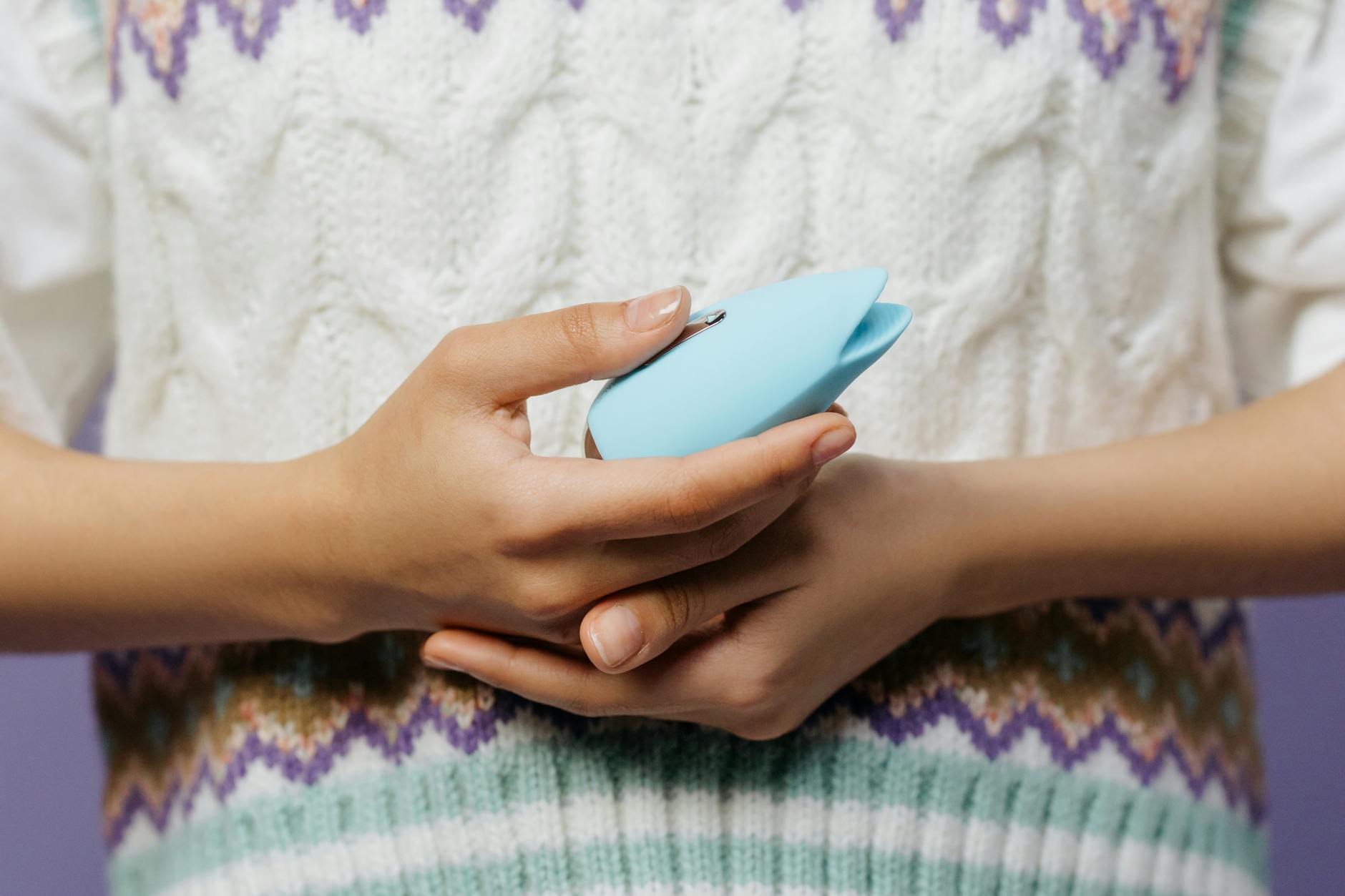
Photo by cottonbro studio on Pexels
When your partner feels threatened by toys
This comes up constantly. You start using a lemon vibrator and your partner gets quiet or says something like "I thought I was enough."
Here's what I tell couples. A vibrator isn't another person. It's a tool that does something your partner's body literally cannot do. A Lemon creates suction patterns a human hand cannot replicate. That's not a replacement for your partner. It's an addition to what's possible.
But the threat often isn't really about the toy. It's about the fact that you're prioritizing pleasure again. You're saying your body matters. For a partner who's gotten comfortable with low sexual connection, that can feel destabilizing. They liked the predictability of no sex.
The conversation to have is separate from the toy conversation. "I'm missing pleasure in our life. I want to rebuild that together. Using a vibrator is how I'm starting that process. I'd like you to be part of this." Not "I'm using this without you." Not "We need to do this because you're failing me." But clear. Centered. Not apologetic.
Many partners, once they understand this isn't a referendum on them, actually become excited. They realize they get to rediscover sex too. Some couples even find that watching a partner use a lemon vibrator reignites their own interest. The shame lifts and suddenly everything feels new again.
The practical steps to get started
Start with the solo phase. Buy or borrow a lemon vibrator. Set aside 10-15 minutes when you have actual privacy and aren't rushing toward sleep. Use water-based lubricant. This sounds basic but matters more in midlife because of tissue changes. Apply the vibrator at low intensity. Don't chase an orgasm. Just let your body respond.
You might notice sensation comes back within a week. You might need two or three weeks. Both are normal. There's no timeline for reconnecting to your own body.
When you're ready for phase two, experiment with different times of day. Your sensitivity shifts. You might find you feel more pleasure in the morning, or after exercise, or right after your partner touches you non-sexually. That data is gold.
In phase three, if you're with a partner, bring them in gradually. Maybe they use the vibrator on you while you're together, but there's no expectation of intercourse. Maybe you use it while they're present but not directly involved. Maybe you use it during sex. The specific format matters less than the fact that pleasure is in the conversation and the room.
When disconnection goes deeper
Sometimes midlife pleasure loss isn't just about hormones or habit. Sometimes it's about resentment, unresolved conflict, or genuine incompatibility that midlife is finally making visible.
If you've done the solo reconnection work with a lemon vibrator and pleasure still doesn't return, that's worth exploring with a therapist. Especially a relationship therapist, not just a sex therapist. Because pleasure doesn't happen in a vacuum. It happens in the context of whether you feel safe, seen, and valued by your partner.
A vibrator can unlock physical sensation. It cannot fix trust that's been broken or emotional distance that's become entrenched. If that's what's actually happening, the vibrator is a starting point, not a solution.
But if disconnection is just that. A fading from daily life that happens in midlife when nobody's paying attention. When you're tired and your partner is tired and nobody's tending the garden. Then a lemon vibrator, combined with intention and curiosity, can absolutely bring you back.
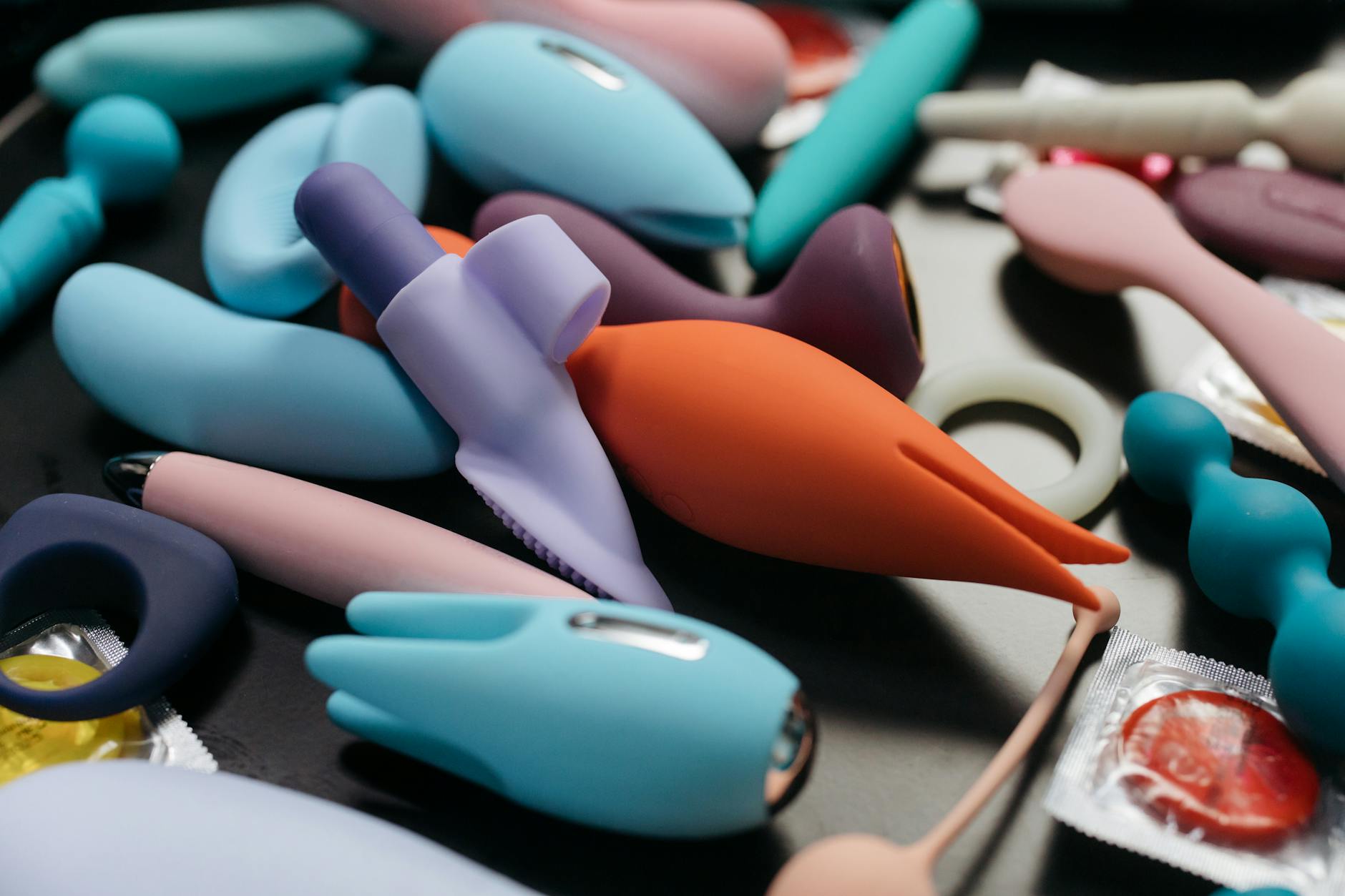
Photo by cottonbro studio on Pexels
The permission you actually need
Most people don't need more information about how to use a lemon vibrator. They need permission to prioritize their own pleasure without guilt.
So here it is. Your desire in midlife matters. The fact that it shifted or disappeared doesn't mean you're broken. Your body responding to stress, hormones, or relationship patterns is completely normal. And rebuilding pleasure, on your own timeline, using tools like lemon vibrators, is not selfish. It's necessary.
Disconnection from pleasure often means disconnection from yourself. Reconnecting isn't just about sex. It's about remembering that your body is yours. That sensation is worth paying attention to. That you deserve to feel good.
Start there. Everything else follows.
People also ask
How long does it take to feel pleasure again after disconnection?
It depends on why you disconnected. If it's hormonal or stress-related, many people report noticing shifts in sensation within two to three weeks of consistent exploration with a lemon vibrator. If it's deeper emotional disconnection, the physical reconnection might take longer. Some people find that solo sensation returns quickly but they still feel emotionally disconnected during partner sex. That's a separate conversation worth having with a therapist. The timeline is individual. Consistency matters more than speed.
Can I use a lemon vibrator if I have low sensation after medications?
Yes, actually. The Lemon's suction pattern works differently than traditional vibration, which can feel like trying to feel something through a thick barrier. Suction engages deeper nerve clusters that sometimes respond when surface sensation is muted. That said, if medications are significantly affecting your pleasure, talk to your doctor or prescriber. Sometimes switching timing, dosage, or the medication itself can help. A vibrator is a tool, not a workaround for a medical issue.
What if my partner doesn't want me to use toys?
That's worth unpacking. Is the resistance about threat, about not understanding what a toy does, or about deeper relationship issues? Have the conversation separate from the toy. "I'm noticing my pleasure has faded. I want to rebuild that for myself and for us. Using a vibrator is part of that. I'd like your support." If the answer is still no, ask why. Listen. And then decide whether you're willing to let someone else's comfort override your body's needs. Most of the time, once partners understand that a vibrator isn't a replacement, they become allies. Sometimes they don't. That's information about your relationship.
Is it normal to feel guilty using a lemon vibrator in midlife?
Completely normal. Guilt often shows up around pleasure after decades of prioritizing everyone else. Midlife is when many people realize they learned to make themselves small. A vibrator can feel like reclaiming space. That reclamation sometimes triggers guilt, shame, or fear that it's selfish. It's not. Your pleasure is not a zero-sum game. Your partner having pleasure doesn't diminish yours. And you tending to your own body actually makes you a better partner because you stop waiting for sex to happen and start creating it.
Can using a lemon vibrator help with desire if my libido is actually gone?
Maybe. If your libido is gone because of hormonal shifts, stress, or disconnection from your body, lemon vibrators can help rebuild that pathway. If your libido is gone because you don't actually want your partner anymore, or because of depression that needs medical attention, that's a different question. Be honest about which one it is. Pleasure isn't a substitute for addressing the actual issue. But if the issue is that your body stopped responding to pleasure, reconnecting to sensation through a vibrator can absolutely help that first step.
What's the difference between a lemon vibrator and other adult toys for midlife reconnection?
Most traditional vibrators use high-frequency oscillation. They can feel overwhelming on sensitive midlife tissue. Lemon vibrators use suction and pulsing patterns that are gentler and create a different type of stimulation. They're also designed beautifully, which matters psychologically. When the tool feels like something you want to touch, you're more likely to keep using it. Additionally, how to use lemon vibrators when your body responds differently after 40 covers body-specific considerations. The specifics vary, but lemon vibrators tend to be intuitive for midlife bodies that need something different than what worked at 25.