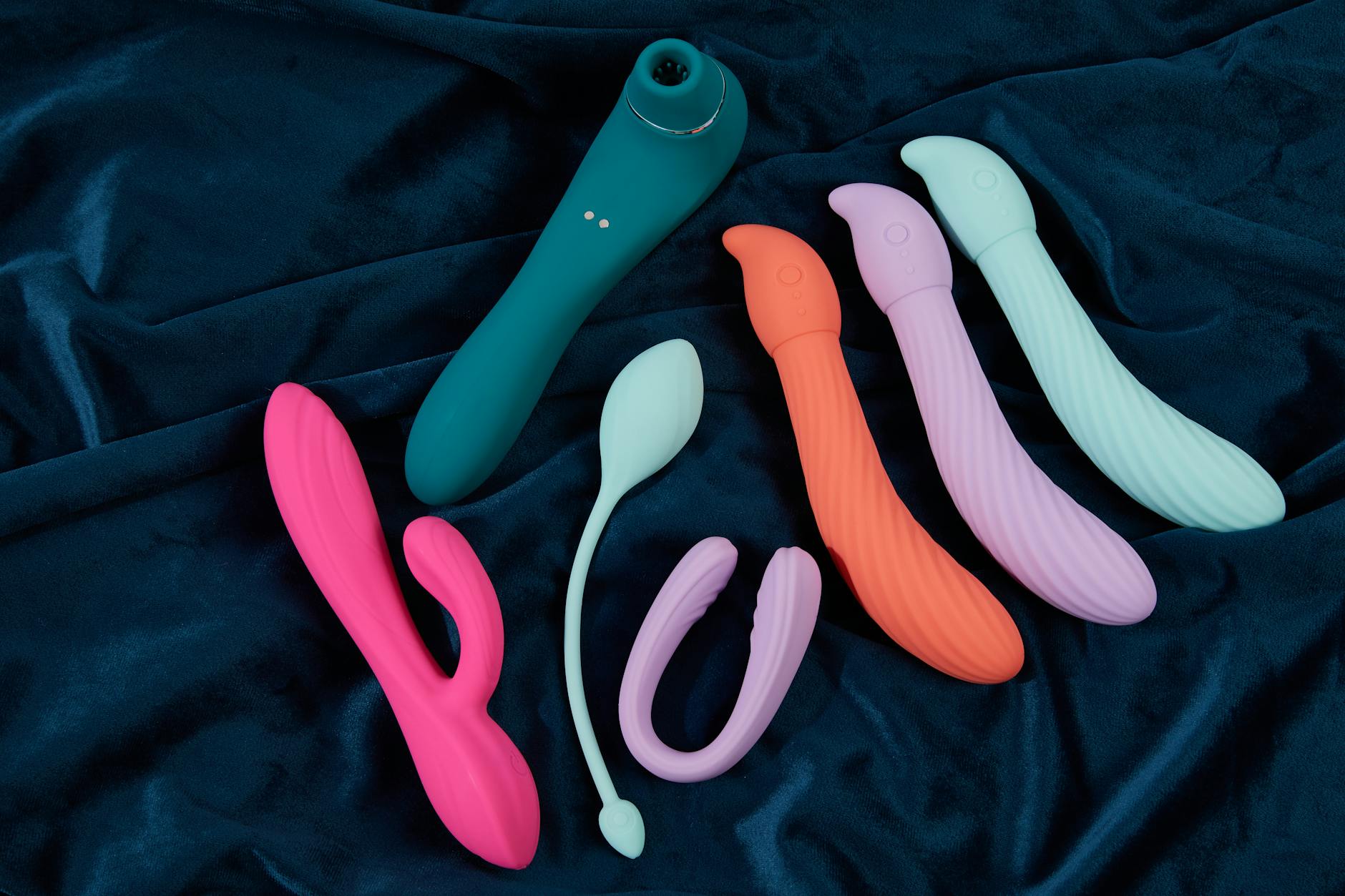
Here's what actually changes when you bring a partner into it
Using a clitoral vibrator alone is one experience. Introducing one with a partner is fundamentally different, and not just because there's another person in the room. The psychology shifts. The power dynamics shift. Often, so does the pleasure. I've worked with hundreds of couples navigating this exact moment, and what I've learned is that the device itself matters less than the conversation before you turn it on.
When you hand your partner a lemon vibrator, or suggest using one together, you're saying something without words. You're saying: "I want this." "I trust you with this." "My pleasure matters." That vulnerable ask changes everything.
The psychology of pleasure with someone watching
First, the obvious: your nervous system behaves differently when someone's paying attention. Some people find this paralyzing. Others find it the hottest thing that's ever happened to them. Most people experience both at different moments.
Here's what I see clinically. When you're alone with a lemon clitoral vibrator, you're building arousal on your own timeline. You know exactly what you want, and there's zero performance pressure. Your body relaxes into it. When a partner's present, even a supportive, enthusiastic partner, your brain engages a second channel: "Am I taking too long? Do they like watching this? Should I narrate what feels good or stay silent?" That's normal. It's not a failure. But it changes the neurological experience.
The good news: that shift isn't bad. It's just different. And you can work with it.
The best couples I've worked with do three things. First, they talk about the shift before it happens. "I might feel self-conscious at first, and that's okay. I might need you to say something specific to help me relax." Second, they build in permission to pause. "If I need to take a breath or slow down, that doesn't mean I'm rejecting this." Third, they remember that your pleasure isn't a performance. It's an invitation.
Why lemon vibrators change the dynamic more than you'd expect
A lemon clitoral vibrator isn't subtle. It's not something a partner can ignore or pretend isn't happening. When you're using one, they're watching your body respond in real time. They're hearing the sound of it. They might feel the vibration if they're close. That intensity, that specificity, can feel exposing in ways that penetrative sex doesn't.
With penetration, there's a mutual rhythm. You're both doing something. With a lemon sucker or clitoral vibrator, one person is very clearly the focus. Your partner becomes a witness to your pleasure rather than a participant in the traditional sense. For some people, that's liberating. For others, it triggers old stories about deservingness or selfishness.
I want to name that directly. If you grew up with the message that your pleasure should be secondary, or that focusing on your own sensation is self-centered, bringing a clitoral vibrator into partnered sex can feel like you're breaking a rule. You're not. You're practicing self-respect. That practice is uncomfortable sometimes, and it's worth it.
Communication matters more than the device
You can have the best lemon vibrator in the world, but if you haven't talked about what you're hoping for, you'll both spend the experience in your own head instead of together. Here's what I recommend couples discuss beforehand.
First, be specific about what you want from them. "I'd like you to watch and tell me what you notice" is different from "I need you to keep your hands off me right now" is different from "I want you to participate and touch me while I use this." All three are valid. Your partner can't read your mind. The best thing you can do for both of you is clarify.
Second, talk about what success looks like. Is it an orgasm? Is it sensation? Is it just trying something new together and seeing how it feels? If you go in with different definitions of success, you'll feel disappointed even if the experience was genuinely good.
Third, agree on a check-in point. Maybe it's right after. Maybe it's the next morning. Debrief. "That felt vulnerable in ways I didn't expect, and I liked it" is useful data. So is "I felt awkward, and I want to try something different next time." Both of those move you forward as a couple. What doesn't work is pretending it was great when it wasn't.
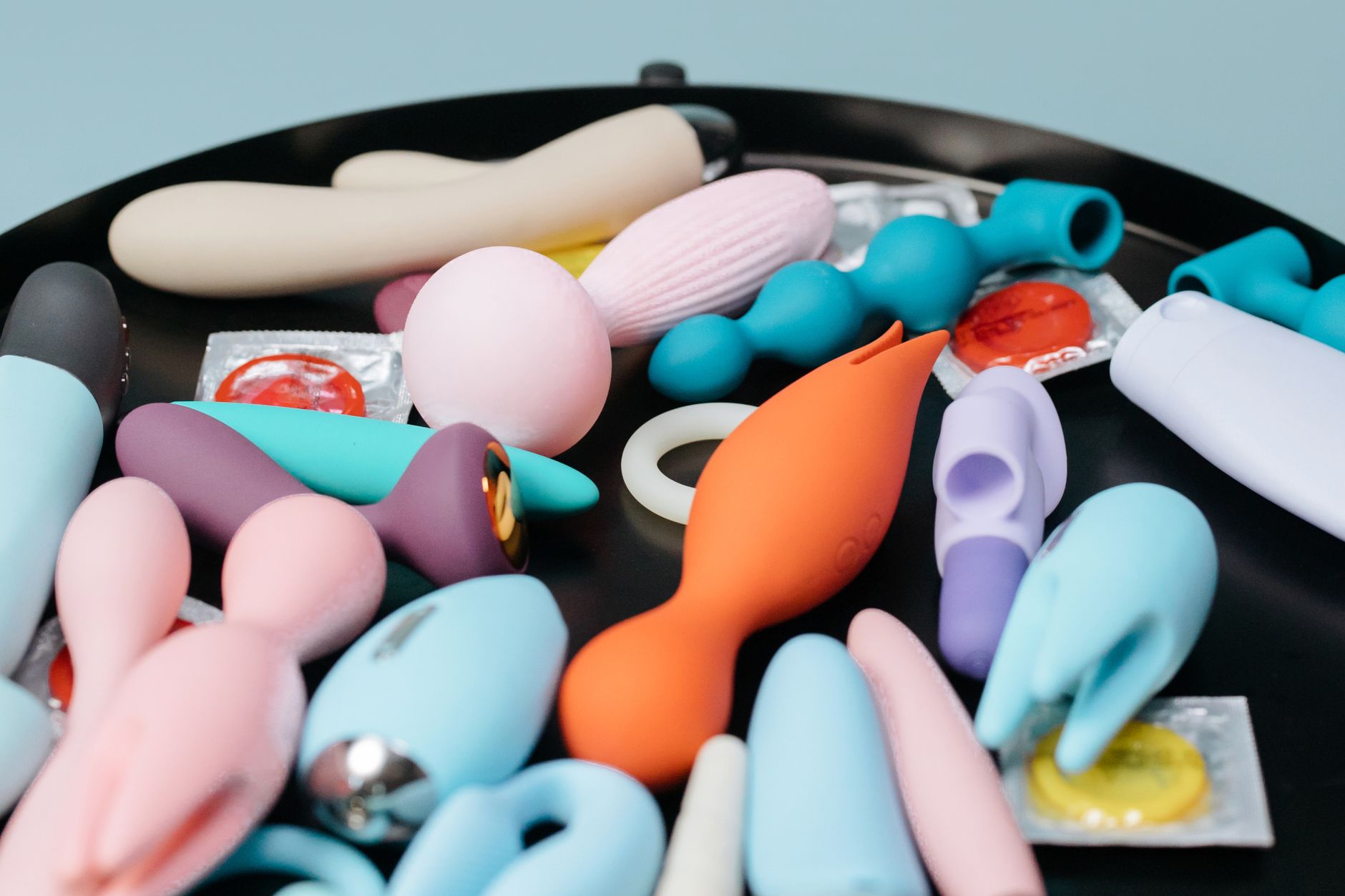
Photo by cottonbro studio on Pexels
How partners can support you without making it weird
If you're the person with the lemon clitoral vibrator, and your partner's in the room, here's what I hear most often: "I don't know what they should be doing." That's the real anxiety. The solution is to give them a job that works for both of you.
Some people love narration. "Your breathing just changed," "You're more relaxed now," "Your body is responding so openly." That real-time feedback can be grounding. Others find it distracting. Some people want their partner to touch other parts of their body. Some want them to be nearby but not touching. Some want to be facing each other. Some want from behind. There's no standard.
What matters is that your partner doesn't treat this like they're passive. They're not. They're creating the container. They're respecting your boundaries. They're often taking on their own vulnerability by being present for yours. That's meaningful work.
I also recommend partners ask permission before they jump in with suggestions. "Would you like me to touch you while you use that?" beats assuming. And if your partner initiates something that breaks your focus, you can say "Not right now, but I liked that thought." You're negotiating in real time, and that negotiation is part of the intimacy.
The arousal question: do you actually feel better?
Yes and no. Your body will likely respond differently than it does alone. Some people find that having a partner present makes arousal peak faster. Some find they can go deeper because the presence of another person's desire actually turns them on. Some people find that they need more time and more help. All of that is normal.
The key variable is anxiety. If you're worried about how you look, how long you're taking, or whether your partner is bored, your nervous system won't fully relax. If you're present, and your partner is present, and you've agreed on what this is, your body can access sensation that might be blocked otherwise.
That said, partnered use of a lemon vibrator isn't automatically better than solo use. Different isn't better. Different is just different. Some of my clients report that their most intense orgasms with a vibrator happen when they're alone. Others say that partnered use opened up something they didn't know was there. Both are true. Both matter.
When a lemon vibrator brings up relationship stuff
Here's what I've learned about couples therapy that applies directly to this moment. When you introduce a vibrator into partnered sex, you're not just introducing a device. You're introducing a small version of every insecurity, every boundary, every trust question in your relationship.
If your partner responds with enthusiasm and curiosity, that lands differently than if they respond with hesitation or discomfort. Neither response is right or wrong, but they matter. If your partner says, "I'm worried you'll stop needing me," that's real and worth addressing. If they say, "I'm not sure how to be helpful," that's learnable. If they say, "No," that's a boundary you both have to respect.
I've worked with couples who found that introducing a lemon clitoral vibrator actually deepened their connection because they had to communicate explicitly about pleasure for the first time. I've also worked with couples who discovered that they had deeper incompatibilities around sex that the vibrator just made visible. Both outcomes are valuable. Visibility is the first step to any kind of change.
Making it work practically
Few logistical things that actually matter. First, don't surprise your partner with a vibrator during sex unless you've discussed it beforehand. Second, have lube nearby. A lemon vibrator works better with lubrication, especially if you're both getting more aroused. Third, start slower than you think. Your brain needs time to adjust to the sensation plus the vulnerability of being watched. Fourth, remember that this isn't a test. If it doesn't work this time, you can try again differently.
Some couples find that using a lemon sucker or clitoral vibrator with a partner becomes a regular part of their intimate life. Some try it once and prefer solo use. Some discover that they want to explore it differently, with different settings or different roles. All of those are fine. The whole point is that you're expanding your options, not replacing what already works.
FAQ
Is it normal to feel self-conscious using a clitoral vibrator with a partner?
Completely normal. Your nervous system is registering vulnerability and exposure simultaneously. Most people feel some version of this the first time. What changes is how you relate to that feeling over time, and whether your partner is responding with openness or judgment. If it's judgment, that's a relationship problem that goes way beyond the vibrator.
What if my partner feels threatened by a lemon vibrator?
That's information about their insecurity, not a statement about your vibrator or your sexuality. It's worth unpacking. Often, the threat people feel is actually about "What if she doesn't need me?" And the answer is that a vibrator is a tool, not a substitute for partnership. A conversation about what they're actually worried about usually helps. If it doesn't, a couples therapist who's comfortable talking about sexuality can help you both.
Can I use a lemon clitoral vibrator during penetrative sex?
Yes. Some couples find that adding vibration to clitoral stimulation during penetration changes the intensity in ways that feel incredible. Others find it's too much sensation. You'll have to experiment. The Lemon clitoral vibrator works well for this because it's external and can be positioned while you're together.
How do I bring up wanting to use a vibrator with my partner if we've never talked about it?
Start with honesty and no pressure. "I've been thinking about trying something, and I want to talk about it with you," beats making it a surprise. You might say, "I read about couples using vibrators together, and I'm curious if you'd be open to exploring that." Curiosity is less threatening than demand. Give them time to think about it. Not everyone needs an answer immediately.
Does using a vibrator with a partner mean your sex life was boring before?
No. It means you're evolving. Some couples add vibrators when they're already deeply connected and want to expand pleasure. Some add them when they're feeling disconnected and are looking for a way to reconnect. Both are valid starting points.
What if I orgasm too quickly with a partner using a lemon vibrator?
First, that's not a problem. Fast orgasms are not a failure. Second, if you want to extend the experience, you can pause, breathe, and come back to it. You can also use the vibrator in intervals instead of continuously. Remember that partnered sex doesn't have to end when one person orgasms. You can rest and reconnect and keep going if you both want to.
The real shift
When you bring a lemon clitoral vibrator into partnered sex, you're not just adding sensation. You're asking your partner to witness your pleasure. You're asking yourself to be fully present with desire. You're building a sexual life based on what actually feels good instead of what you think should feel good. That takes courage. And it's worth it.
If you want support navigating this conversation with your partner, or if you're running into resistance that feels bigger than just nerves, that's what couples counseling is for. You deserve a partnership where pleasure is mutual and expansion is possible.