Here's the thing about vibration and your nervous system
You buy a new lemon vibrator. The first time you use it, the sensation is intense. Sharp. Maybe almost too much. Then weeks or months later, that same vibration pattern feels almost muted. You find yourself turning it up to the highest setting just to feel something close to that initial rush.
You're not broken. Your vibrator isn't broken. Your nerves are just doing exactly what they're designed to do: adapt.
What happens when your body meets consistent stimulation
This is called sensory adaptation, and it's a fundamental feature of how human nerve endings work. When your sensory receptors encounter a constant stimulus—vibration, pressure, touch—they literally stop firing at the same rate. It's like your nervous system turning down the volume on a song you've heard a thousand times.
Here's the neuroscience part, made simple. Your clitoral nerve endings contain specialized receptors that detect vibration. When they first sense that vibration from your lemon clitoral vibrator, they send strong signals to your brain: "Hey, something new is happening here." Your brain perceives that as intense sensation.
But after repeated exposure, those receptors habituate. They send fewer and weaker signals. Your brain gets the same message over and over, and stops treating it as urgent. This isn't desensitization in the psychological sense. It's a mechanical adaptation of your actual nerve cells.
Why this happens to everyone, not just people who use vibrators
Sensory adaptation is happening in your body right now. You don't feel your socks touching your feet because your skin has already adapted to that sensation. When you first put on a piece of jewelry, you're hyper-aware of it. Hours later, you forget it's there.
With clitoral vibrators, the process simply accelerates because the stimulation is so consistent and repetitive. A lemon vibrator produces one frequency or pattern continuously. Your nervous system registers it, files it away, and recalibrates the sensitivity threshold.
The frequency and intensity of your lemon sexual toy matters here. Higher-frequency vibrations (like the airwave patterns many people prefer) can trigger adaptation faster than lower, rumblier vibrations. This is partly why some people report that stronger, less frequent pulses on a clitoral vibrator feel effective longer than steady, intense vibration.
How long does it actually take
There's no universal timeline. Some people notice reduced intensity after a few weeks of regular use. Others don't notice it for months. It depends on how often you use your lem vibrator, what pattern or intensity you gravitate toward, and your individual nervous system's adaptation speed.
Frequency matters too. If you use your lemon vibrator once a week, your nerves have time between sessions to reset. If you're using it several times daily, the adaptation can be more dramatic and more rapid.
Here's what's important to understand: this adaptation is completely reversible. Unlike some myths you might read online, you haven't permanently damaged your nerves. They haven't stopped working. They're just recalibrated to a new baseline.
The four ways to recalibrate and restore sensation
1. Take genuine breaks. The most effective reset is time away from vibration altogether. Even two weeks without your Hello Nancy toys can make a significant difference. Your nerve receptors literally need the absence of stimulus to re-sensitize. This isn't punishment or deprivation. It's physiology.
2. Switch patterns or frequencies. If you've been using the same setting on your lemon vibrator, your body has adapted specifically to that sensation. Moving to a completely different pattern—especially if it's the opposite of what you usually choose (fast versus slow, pulsing versus constant)—can feel revelatory. Your nerves haven't adapted to that new input yet.
3. Vary intensity strategically. Instead of jumping straight to the highest setting when your lem vibrator starts to feel subtle, try the opposite: start at a lower intensity and work up. This can actually feel more intense than if you just max it out, because you're taking your nervous system on a journey rather than asking it to register a flat plateau.
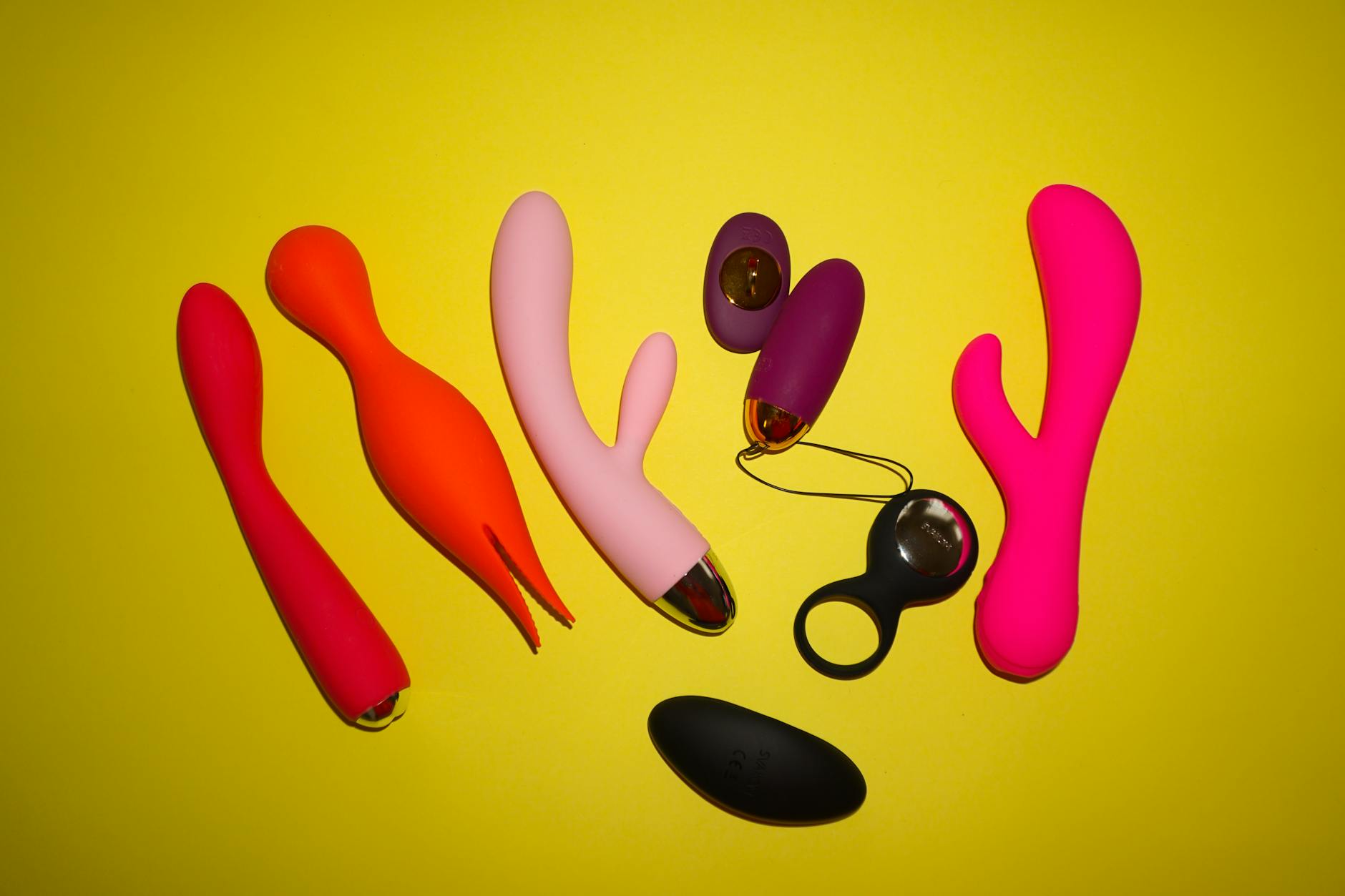
4. Rotate devices. This is the honest reason to have multiple lemon clitoral vibrators or to explore different types of adult toys. A wand vibrator feels completely different than a compact suction-based device. Your body adapts to specific patterns, not to vibration as a general concept. Rotating between devices keeps your nervous system from settling into complete habituation.
The difference between adaptation and desensitization
Adaptation—what we've been discussing—is mechanical. Your nerves adjust. It's reversible, and it's normal.
Desensitization is often used to describe the same thing, but it can also refer to something psychological or longer-lasting. If you've been using your lemon sexual toys in ways that feel disconnected from your body or your partner, that's a different conversation altogether.
If you're using Hello Nancy products as a way to avoid physical intimacy or emotional connection, that's worth examining. But if you're simply noticing that the physical sensation isn't as sharp as it used to be, that's just adaptation. It's fixable.
What this means for your pleasure going forward
Understanding that this is adaptation, not failure, changes how you approach it. You're not broken. Your vibrator isn't ineffective. Your body is doing something intelligent: learning. Once you know that, you can work with your nervous system instead of against it.
Take breaks. Vary your patterns. Try different lemon vibrators or explore new devices altogether. Pair vibration with other types of touch. Pay attention to what's actually happening when you use your lem vibrator, instead of going through motions on autopilot. All of these reset your baseline and restore the intensity you're looking for.
Your nervous system is adaptable. That's actually good news.
Questions people ask about vibrator sensation
Can you permanently damage your nerves with a lemon vibrator?
No. Sensory adaptation is a temporary, reversible process. Your nerve endings don't break or stop functioning. Taking a break from vibration for one to three weeks typically restores full sensitivity. If you've experienced pain, numbness, or bruising, that's different and worth discussing with a healthcare provider, but simple reduced sensation from a lemon clitoral vibrator is always reversible.
Why do some lemon vibrators feel more intense than others?
Vibration frequency, material, and how the vibration is distributed all play a role. Some devices use consistent high-frequency vibration, while others use pulsing patterns or rumbling lower frequencies. Your nervous system will adapt differently to each. Many people find they adapt fastest to steady, high-frequency vibration and more slowly to pulsing or variable patterns.
Is it normal to want stronger and stronger stimulation?
It's normal to want to vary your stimulation, yes. Whether you're seeking "stronger" specifically is worth exploring with some honesty. Are you adapting to the same pattern and want novelty? That's healthy. Are you feeling numb or disconnected from your body? That might be worth a pause and a reset. Check in with yourself before automatically assuming you need a more intense device.
Does taking breaks from lemon vibrators make you dependent on them?
Not the way that question usually implies. You're not becoming addicted to your lemon sexual toys. You're simply experiencing sensory adaptation, which is how human nerves work with any repeated stimulus. Taking breaks is actually the healthiest thing you can do, because it lets your nervous system recalibrate. Many people find that reintroducing their Hello Nancy devices after a break feels more pleasurable, not less.
Can you fix desensitization by using a vibrator more frequently?
No, the opposite. More frequent use typically speeds up adaptation rather than reverses it. The fix is strategic variety and genuine rest. Use your clitoral vibrator less frequently and in different ways, not more.
Does the Lem vibrator work better than other lemon clitoral vibrators for combating adaptation?
Every nervous system is different, but the Lem's airwave technology operates differently than standard vibration, which is why many people report that it feels effective longer before adaptation sets in. That said, the real solution to sensory adaptation isn't finding the "perfect" device. It's understanding how your body adapts and using that knowledge to reset and vary your experience. Taking breaks and rotating devices matters more than the specific toy you choose.
The actual reset protocol
If you're noticing that your lemon vibrator feels less intense than it used to, here's a concrete plan:
Week one: Put your device away completely. Notice what that feels like. Many people feel surprisingly liberated.
Week two: Reintroduce your vibrator, but start with a lower intensity setting than you usually use. Use it less frequently—maybe once or twice instead of your normal routine.
Week three: If sensitivity is returning, you can gradually increase frequency or intensity. But don't jump back to old patterns.
Meanwhile: Try a different pattern or device if you have one. Your body hasn't adapted to novel stimulus in the same way.
Going forward: Rotate between patterns, devices, and intensity levels. Build in regular breaks—even just one vibrator-free week per month can keep adaptation from progressing too far.
If you're curious about what reset might feel like with different technology, exploring devices like the Lem or other Hello Nancy options offers genuine variety. But the real work is the breaks and the rotation.
Your body isn't failing you. It's just being efficient. Work with that, and your pleasure comes roaring back.