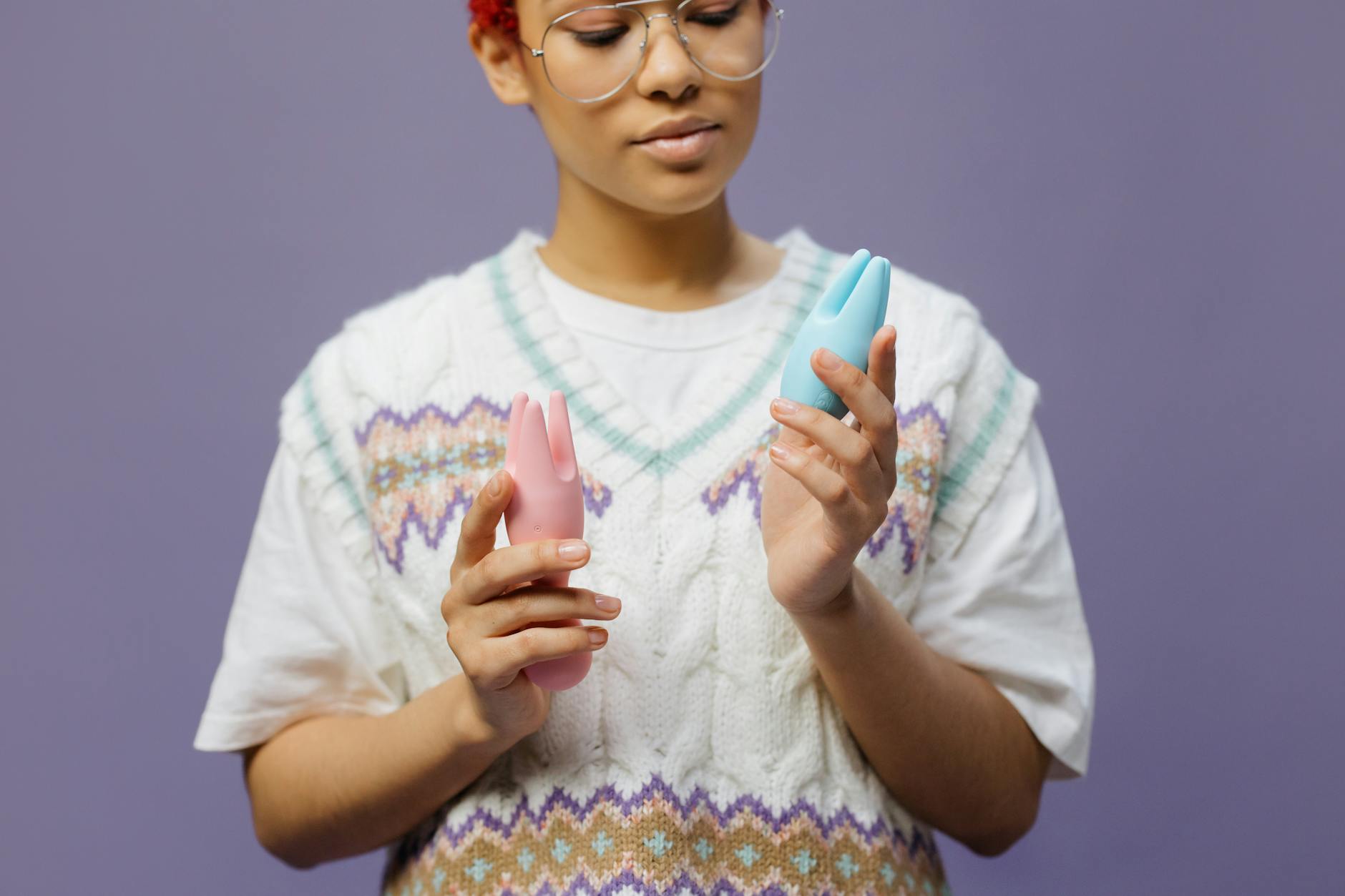
Lemon Vibrators for Vaginal Dryness After Menopause
Menopause changes how your body responds to touch. Lemon clitoral vibrators sidestep dryness entirely and often deliver your most intense pleasure yet.
Let's be real: menopause dries things out. Not just your skin. Your vaginal tissue gets thinner, less elastic, and produces way less lubrication. That's the estrogen drop doing its thing, and it's totally normal. What's less normal is how many people assume this means the end of great sex. Spoiler: it's not even close.
Here's the thing that most articles won't tell you outright: vaginal penetration does get harder after menopause. Friction that felt fine at 35 can feel uncomfortable or even painful at 55. But clitoral pleasure? That's a different biology altogether. Your clitoris doesn't have the same estrogen-dependent tissue changes. It still has all the nerve endings. It can still orgasm. And lemon clitoral vibrators, specifically, are engineered to work brilliantly with post-menopausal bodies.
Here's the biomechanics part that matters: the lem vibrator and similar lemon clitoral vibrators use suction and pulsing on the clitoris, not friction on vaginal walls. There's a crucial difference.
When you use a traditional vibrator on your vulva, the motor's vibrations travel through the toy directly into the tissue. If vaginal tissue is thin and dry, that can translate to discomfort. But a lemon sucker works by creating a gentle seal around the clitoris and stimulating with suction and waves rather than raw vibration. This means:
Zero friction on sensitive or dry tissue
Direct clitoral stimulation without needing penetration
No drying effect (suction is actually more comfortable when tissue is delicate)
Orgasms that often feel more intense because of how the stimulation pattern works
When you're not worried about friction or pain, your nervous system relaxes. Your arousal builds. The whole experience shifts from "will this hurt?" to "oh my god, that feels incredible."
Menopause shifts estrogen, and estrogen controls blood flow and tissue thickness in the vagina and vulva. The vaginal walls get thinner. The vaginal opening becomes less elastic. Lubrication drops by 30-40% on average. The clitoral hood can get thinner too, which sometimes makes the clitoris itself feel overstimulated more easily.
But here's what doesn't change: the clitoral nerve endings stay intact. The clitoral bulbs that swell with arousal still function. The brain's pleasure pathways work exactly the same. This is why so many women report stronger or longer orgasms after menopause, especially with clitoral stimulation.
A lemon vibrator's suction-based design works with these changes, not against them. The gentler initial stimulation gives your clitoris time to wake up without the pressure of direct vibration. Then the waves build gradually, which means you can actually feel the orgasm developing instead of it sneaking up on you.
You'll want lubrication. Not because you're broken, but because it helps. Water-based lube glides smoothly over the external clitoral area without adding friction, and it feels good against post-menopausal tissue.
Skip silicone-based lubes if you're using a lemon clitoral vibrator, which is silicone. Silicone lube can degrade silicone toys over time. A good water-based lube like Hylo Gyn (which is made for post-menopausal dryness specifically) or any quality brand gives you the glide you want plus the moisture your tissue appreciates.
Reapply lube midway through if you're going for longer sessions. Your body is making less lubrication naturally, so you're not being "needy" by adding more. You're just working with biology.
The lem vibrator has multiple intensity levels. Start at pattern 1 or 2, not the highest. Your clitoris is sensitive, and menopausal tissue can feel stimulation more intensely because there's less tissue buffer. This sounds like a downside until you realize it often means you'll orgasm faster and feel it more clearly.
Warm up for 15-20 minutes before you bring the lemon clitoral vibrator in. This gives your blood vessels time to dilate naturally, which brings more blood to your clitoris and makes it more responsive. Use your hands first. Let your body remember what arousal feels like.
When you do turn on the vibrator, stay at a lower intensity for the first few minutes. Your clitoris will gradually become more receptive, and you can increase intensity as sensation builds. This is the opposite of "power through," which is what a lot of post-menopausal people try because they're used to needing more stimulation. You might actually need less.
Estrogen loss affects the pelvic floor muscles too. They lose some elasticity and support. This can make your pelvic floor tighter when it should be relaxed, which actually makes orgasm harder. This is counterintuitive, but tensing up doesn't always help. Sometimes letting go helps more.
Before you use your lemon sucker, spend a couple of minutes breathing and actively relaxing your pelvic floor. Breathe in for four counts, out for six. As you exhale, imagine your pelvic floor softening like an elevator descending. This simple reset can make the difference between an okay orgasm and a really satisfying one.
If vaginal dryness is severe, or if you're feeling pain during any kind of sexual activity, talk to your doctor about genitourinary syndrome of menopause (GSM) treatment. A topical estrogen cream like Vagifem or Estrace applied 2-3 times a week can restore tissue health in about 2-3 weeks. The dosage is so localized that it barely enters your bloodstream.
This isn't replacing pleasure. It's supporting it. Once your vaginal tissue bounces back, clitoral stimulation with a lemon vibrator feels even better because you're not managing pain or dryness in the background.
Lemon vibrators are specifically designed around suction, which is gentler on delicate tissue and often more efficient at triggering orgasm than raw vibration. After menopause, this design becomes a strength. You get pleasure without the friction risk. You get intensity that's actually proportional to your clitoris's current sensitivity (which is often higher than you'd expect).
Many people who try a lem vibrator for the first time after menopause report surprise at how quickly they orgasm, and how deep the sensation feels. This isn't magic. It's biology meeting design.
Menopause doesn't just change your body. It changes your mind about your body. You might feel less desire because you're grieving fertility, or you might feel more desire because the cultural pressure to perform a certain version of sexuality lifts.
If you're partnered, your partner's attitude matters. Some partners assume menopause means less sex. Others assume it means the same sex, which can translate to the same technique and the same pressure. The honest conversation is: "My body has changed. Let's figure out what feels good now."
Using a lemon clitoral vibrator solo first is often the best move. You learn your new body's rhythm without pressure. You understand what builds you up and what gets you there. Then, if you want to involve a partner, you're coming in with knowledge instead of frustration.
Completely normal. Clitoral stimulation with a vibrator benefits from a little glide, especially when vulvar tissue is thinner. Water-based lube is your friend here. It adds comfort without any risk to the toy.
No. If anything, the suction mechanism of a lemon sucker is gentler on delicate tissue than friction-based vibration. Dryness is driven by estrogen, not by toy use. If you're feeling drier, it's the menopause, not the vibrator.
Varies widely, but many post-menopausal users report faster orgasms than they expected, especially after they've used the vibrator a few times and their nervous system relaxes. Could be 5 minutes. Could be 20. There's no wrong timeline.
Not necessarily. Try lower intensity with longer warm-up time instead. The clitoris becomes more responsive as blood flow increases. Starting too high might actually numb you faster. Build slowly.
Yes. Hormone replacement therapy doesn't change how clitoral stimulation works. If anything, it might help because better-hydrated tissue is more responsive. Keep using lube either way.
Talk to your doctor about topical estrogen or other GSM treatments. Pain is information that tissue needs support. A lemon clitoral vibrator is designed to be gentle, but if underlying tissue damage or severe atrophy exists, healing that first makes pleasure possible again.
Menopause changes your body's response to stimulation. It doesn't kill pleasure. Lemon clitoral vibrators are actually one of the best tools for post-menopausal bodies because they bypass friction entirely and work with your clitoris's actual physiology. Start slow, use lube, warm up, and give your nervous system permission to explore what feels good now. Your best orgasms might actually be ahead of you.
If you're not sure where to start, a lemon clitoral vibrator like the Lem is designed for exactly this. Or reach out to our team at Hello Nancy if you have questions about what might work for your specific situation. Your pleasure matters, and you deserve tools that actually match your body.