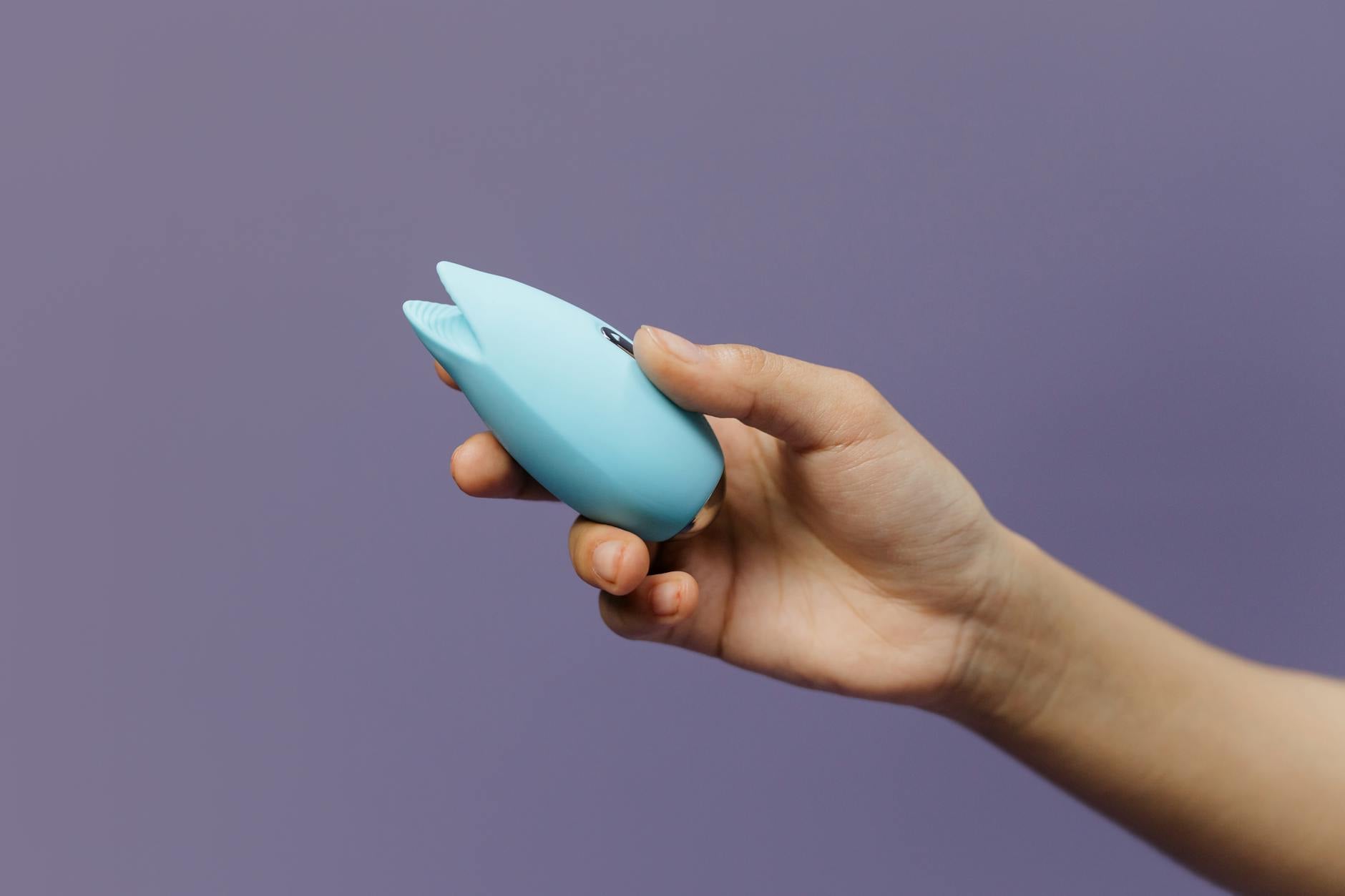
Let's talk about what distance actually does to desire
Time apart doesn't kill attraction. But it does something more insidious: it creates a gap between how your body remembers pleasure and how it actually responds when you're together again. Months of separate schedules, different bedtimes, or actual geographic distance rewires the nervous system. When you finally reunite, touch feels almost unfamiliar. The rhythm is off. The body doesn't recognize the old signals.
Lemon clitoral vibrators bridge that gap. They're not a Band-Aid for disconnection. They're a tool that says, "Let's rebuild this together, starting from sensation and working back toward intimacy."
Why couples who've been apart need a different approach
When you've been living separate lives, even in the same house, the first instinct is often to rush. You want to prove you still desire each other, to collapse the distance in one night. That pressure kills arousal faster than anything else.
Here's what happens physically: when your nervous system is in reunion mode, it's also in slight activation mode. You're hyper-aware of the gap that was there. Your body may not move into pleasure as easily as it once did. Sensitivity feels muted. The touch that used to work requires more intensity, more time, more permission.
A lemon vibrator helps because it separates the reintroduction of sensation from the pressure of "proving" connection. You can explore pleasure together without the weight of "this has to mean we're back to normal." Because honestly? You're not back to normal. You're building something new.
How to introduce it without making it weird
The conversation matters more than the device. Here's what I tell couples who've been apart: "This isn't about what's missing. It's about what we want to remember together."
That shift in framing changes everything. You're not saying, "I need this because you've been gone." You're saying, "Let's use this to wake up our senses together."
Practically, the introduction looks like this: pick a moment when you're already close, already talking. Not in bed yet. Maybe during a shower or a quiet afternoon. Hold it. Show your partner the simplicity of it. Let them hold it. Talk about what the different settings feel like in your hand. Make the object itself a shared thing before it ever touches skin.
Then wait. Don't deploy it the first time you're intimate. Let it sit on the nightstand for a week. Let curiosity build.
The mechanics of rebuilding arousal together
When couples reunite after distance, arousal typically follows this pattern: fast at first (relief, recognition, desire), then plateaus around 40 percent of pre-separation intensity, then builds again slowly if you stay patient. The middle part is where most couples panic. They interpret the plateau as loss of desire. It's not. It's recalibration.
A lemon vibrator's gentle suction creates a new reference point. Instead of trying to recreate old sensation, you're literally introducing new sensation. That novelty resets the nervous system. It says to the body, "Something different is happening. Pay attention."
Start at the lowest setting. Don't rush toward intensity. The goal in the first few sessions is sensation literacy. What does this feel like? Where does pleasure live right now? How long can you stay curious instead of performing?
Most couples I work with report that by session three or four of intentional reunion play, the broader intimacy starts feeling recognizable again. Not the same. Better informed.
Handling the emotions underneath
Here's the part nobody talks about: when you've been apart, there's often a layer of resentment or abandonment underneath the desire gap. Work took you away. Kids needed attention. Life demanded compromise. And now you're supposed to just plug back in?
Lemon vibrators are tactile and present in a way that can help. They require you to be physically attuned to each other. One partner holds it. The other partner receives. You have to talk about pressure, pace, rhythm. That communication is rebuilding.
But if the resentment is the real problem, the lemon vibrator won't solve it. What it will do is create a space where you're forced to be collaborative instead of defensive. That's often where real reconnection begins.
If you find yourself resistant, if the vibrator feels like another demand instead of an invitation, pause. That's important data. It might mean you need a therapist before you need a toy. That's not failure. That's clarity.
Why patience is the actual technique
Couples who've been apart often try to compress reconnection into one weekend. They want intensity. They want proof that the spark is still there. Intensity is the opposite of what helps.
Instead, treat rebuilding like you're learning each other's body for the second time. Slow sessions. Maybe 20 to 30 minutes of exploration. Low pressure about orgasm. The point isn't climax. The point is: can we be present together? Can we remember how to pay attention to each other's pleasure?
Use a lemon vibrator the same way you'd use any tool for mindfulness. It forces presence. You can't rush it. You can't fake response to suction the way you might fake response to friction. Your body either responds or it doesn't. And that honesty is exactly what couples rebuilding need.
When to bring it into partnered touch
Once you've explored it individually together, the question becomes: how does this integrate into partnered sex? The answer depends on what you both want.
Some couples use it as foreplay. One partner uses the lemon vibrator on themselves while their partner watches, touches them, kisses them. That builds arousal and keeps you in physical contact without pressure on penetration or performance.
Other couples integrate it into mutual stimulation. One partner uses it while their partner is inside them, or beside them, or engaged in their own pleasure. The key is that it stays collaborative, not solitary even when it's on one person's body.
And some couples find that after a few months of intentional reunion, they stop needing it. The body remembers. The nervous system recalibrates. They've rebuilt enough sensation and trust that the old patterns reemerge naturally. That's fine. The lemon vibrator was the bridge. Not the destination.
FAQ: Questions couples ask about rebuilding
How long does it actually take to feel close again after time apart?
Physiologically, about 4 to 8 weeks of consistent intimate contact. But honestly? It depends on why you were apart and whether that situation has actually resolved. If one partner is still working 80-hour weeks, you're not rebuilding. You're delaying. The vibrator can't fix logistics. It can only help you reconnect within the constraints you actually have.
Is using a lemon vibrator admitting we've lost something?
No. It's admitting you want something intentional. Every long-term couple cycles through periods where novelty helps. Couples rebuilding after distance often need novelty more because your usual patterns feel stale. A lemon vibrator isn't a problem. It's pragmatism.
What if one partner is more excited about the vibrator than the other?
That's real information about your nervous systems right now. The enthusiastic partner may have processed the separation already. The reluctant partner may still be guarded or grieving. Don't force it. Instead, get curious. "What would help you feel ready for this?" Sometimes it's not about the toy. It's about needing more vulnerability or reassurance first.
Can we use a lemon vibrator if we haven't had sex during our time apart?
Yes. And it might actually help more than jumping straight to penetration. It's lower stakes. It's collaborative. It lets you rebuild sensation vocabulary before you rebuild full sexual contact. Take your time.
How do I know if we're actually reconnecting or just going through motions?
Ask yourself: do I want to keep touching this person after the vibrator is off? Does my nervous system relax around them or tighten? Do I think about them during the day? Small moments of genuine desire matter more than one perfect sexual encounter. If you're feeling disconnected during intimate moments, that's the thing to address, not the technique.
What if the vibrator makes things feel more awkward?
Stop using it. Genuinely. Not every tool works for every couple. If it feels like added pressure instead of added pleasure, it's the wrong tool. Go back to basics. Touch. Presence. Talking. Sometimes rebuilding intimacy doesn't require innovation. It requires patience.
The real work is showing up
Lemon vibrators are useful. But they're not magic. What actually rebuilds intimacy after distance is consistency and honesty. Showing up even when it feels awkward. Being willing to explore sensation together instead of defaulting to old patterns. Talking about what's working and what isn't.
The vibrator is just a way to make that showing up feel less like obligation and more like play. And after time apart, play might be exactly what both of you need to remember why you wanted to be close in the first place.
Ready to reconnect intentionally? Start with presence. The lemon vibrator can wait until you're both curious. And if you're struggling with deeper disconnection, reach out to a couples therapist or contact Hello Nancy at /contact for guidance on rebuilding.
References & Resources
For couples navigating reconnection after time apart, the Gottman Institute offers research-backed communication strategies. The sensate focus exercises referenced here are drawn from sex therapy literature and are widely used by marriage counselors to rebuild physical intimacy. If you're experiencing persistent disconnection or desire mismatch, consulting a licensed couples therapist or sex therapist is always valuable.