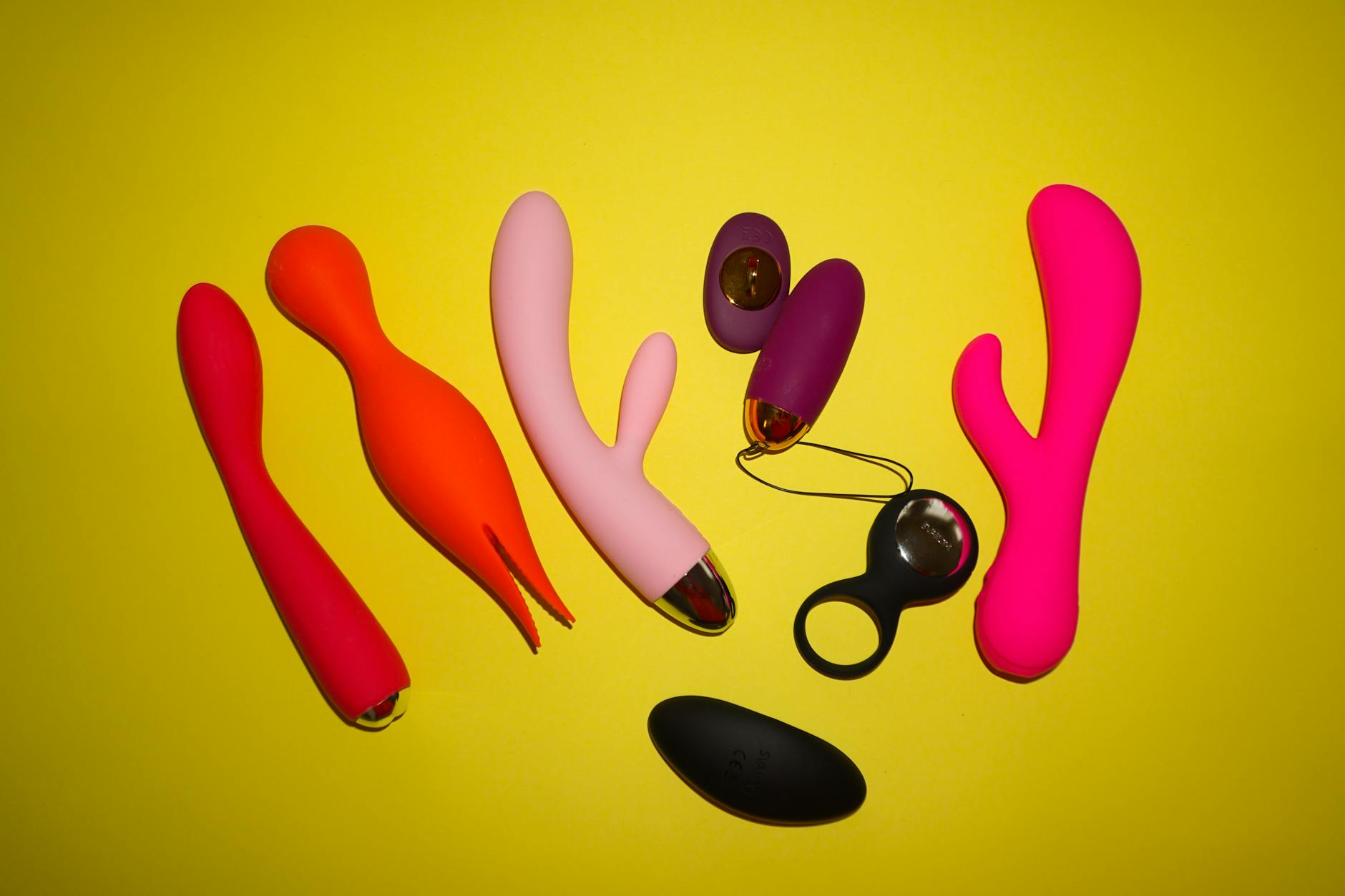
Let's be real about vibrator sensitivity
You've been using your lemon vibrator for months, maybe years. And somewhere along the way, the sensation started to feel... flat. You turned up the intensity, but that didn't help. Now you're wondering if you've permanently numbed yourself or if your body's just broken. Neither is true. What's actually happening is physiological desensitization, and it's completely reversible.
The nerves in your clitoris haven't died or abandoned you. They've just adapted to repeated, intense stimulation the same way your fingertips adapt to holding a phone all day. The good news? The reset is simpler than you think, and you don't need a long break to make it work.
How desensitization actually happens
Your clitoris has roughly 8,000 nerve endings packed into a structure smaller than a pea. When you use a lemon vibrator repeatedly at the same intensity, those nerves undergo something called neural adaptation. Basically, they stop firing at the same rate because the stimulus has become predictable.
It's the same mechanism that makes a familiar song stop grabbing your attention, or why you eventually stop noticing a room's temperature after 20 minutes. Your nervous system is designed to flag novelty and change, not to stay perpetually aroused by the same input.
This is not weakness. This is your body working exactly as intended. The problem is that most vibrators, even thoughtful ones like lemon clitoral vibrators, operate at a consistent frequency that encourages faster adaptation over time.
Why traditional "breaks" don't always work
You've probably heard you should stop using vibrators entirely for weeks or months to reset. That's incomplete advice. Time alone doesn't rebuild sensitivity. What rebuilds it is reintroducing variability and training your nervous system to recognize sensation as novel again.
Think of it like this. If you only ever drank coffee at the same temperature, same brand, same time each day, eventually you'd stop tasting it as much. Taking two weeks off coffee won't suddenly make you sensitive again. But switching the brand, drinking it at a different temperature, or adding a new ritual? That forces your palate to pay attention.
The same applies to your clitoris. A reset protocol that includes variation, lower intensity, and deliberate breaks works much faster than just white-knuckling through a vibrator-free month.
The four-week reset protocol
This is what I recommend to clients who feel they've lost sensitivity to lemon adult toys and want to rebuild genuine pleasure.
Week 1: Lower intensity, higher variability. If you typically use your vibrator at settings 4 or 5, drop to 1 or 2. Use only those low settings, but change which pattern you use each session. Spend 15-20 minutes exploring sensations rather than chasing orgasm. Your goal isn't to come. It's to notice what sensations feel different.
Week 2: Introduce manual stimulation. Alternate between your lemon vibrator at low settings and your hands. Go 3-4 minutes on the vibrator, then 3-4 minutes of manual touch, then back to the vibrator. This pattern forces your nervous system to register the contrast between sensations, which is what rebuilds sensitivity. Do this 4-5 times per week.
Week 3: Extend the break between sessions. Use your vibrator once every other day instead of daily or multiple times a day. When you do use it, still keep intensity low and alternate between the device and your fingers. The longer breaks let nerve receptors reset partially before the next stimulus, so they respond more dramatically when you return.
Week 4: Reintroduce intensity gradually. Now start testing higher settings, but only for 3-4 minutes at a time. Spend the rest of your session at low or medium. Pay close attention to what medium actually feels like after three weeks of low. Most people report that medium now feels like the old high, and old high feels almost shocking.
After four weeks, many clients say they've recovered 70-80% of original sensitivity. After six weeks, most feel fully reset.
The role of your partner (or lack thereof)
If you're in a relationship, this reset actually works better when you're also slowing down partnered sex. That means less frequent quickies and more time spent on foreplay, exploration, and non-goal-oriented touch. Your partner doesn't need to know you're doing a formal reset. They just need to know you want to slow down and reconnect.
If you're single, this is actually your advantage. You have total control over the pace and can be as experimental as you want without negotiating or explaining.
Common mistakes that extend desensitization
Three things that derail the reset.
First, jumping back to high intensity too fast. The urge is strong when you're four days in and you miss that intense sensation. Don't. High intensity early will just re-trigger the adaptation cycle. Patience matters here.
Second, using the same pattern repeatedly during the reset. If you're in week 2 and you only use pattern 3 because it feels slightly better than the others, you're narrowing your nervous system's range instead of expanding it. Use all the patterns, even the weird ones.
Third, expecting immediate results. Sensitivity doesn't bounce back in three days. It takes time. The people who fail the reset are the ones who bail after 10 days because they feel impatient. Four weeks is the minimum. Six weeks is the sweet spot.
When it's worth seeing someone
If you've done a full six-week reset and sensitivity still hasn't returned, it's worth checking in with a gynecologist or sex therapist. Sometimes desensitization masks something else. Hormonal changes, anxiety medication, or underlying pelvic floor tension can all reduce sensation independently of vibrator use.
But honestly, I'd say 90% of the time, the reset protocol works. The body is plastic. Nerves adapt and readapt. You haven't broken anything permanent.
The bigger conversation about pleasure and tools
Here's what I want you to know after doing this reset. Rebuilding sensitivity isn't about "healing" from vibrators. It's about understanding that pleasure requires novelty. This applies whether you're using lemon sexual toys, your hands, or partnered stimulation.
Once you've reset, the goal isn't to go back to daily use at max intensity. It's to use your vibrator mindfully. That might mean using it 2-3 times a week instead of daily. Or varying the intensity each time. Or alternating between device and manual touch in the same session.
Think of it like music. If you listened to the same song at the same volume every single day, eventually you'd stop hearing it. But if you listen once every few days and sometimes switch genres or adjust the volume, that song stays alive.
Your clitoris works the same way.
FAQ: Sensitivity and vibrator use
Q: Does using a lemon vibrator actually cause permanent nerve damage? A: No. Vibrator desensitization is neural adaptation, not nerve damage. Your nerve endings are fine. They're just habituated to repeated stimulation. The reset protocol retrains them to respond more dramatically to sensation.
Q: How often can I use my vibrator without risking desensitization? A: There's no magic number, but most sex therapists agree that daily use at maximum intensity for months increases adaptation risk. Using it 2-3 times a week with varied intensity and patterns keeps sensitivity stable for most people.
Q: Will taking a break from vibrators forever prevent desensitization? A: You don't need to quit vibrators. You need to use them thoughtfully. The reset isn't about never using a lemon clitoral vibrator again. It's about learning to vary your stimulation, which keeps your nervous system engaged.
Q: Can sensitivity loss from vibrator use happen with other sexual activities? A: Yes, but it's rarer. Desensitization is most common with vibrators because they deliver consistent, intense stimulation at a fixed frequency. Partners' hands and lips naturally vary their touch, so adaptation happens more slowly.
Q: If I'm rebuilding sensitivity, should I avoid orgasm entirely? A: Not necessarily. During the reset, try to have at least some sessions where you don't chase orgasm. But if you do come, that's fine. The key is varying your approach across different sessions, not perfectly controlling every experience.
Q: Does the reset work the same way if I use a lemon sucker instead of a traditional vibrator? A: The principles are the same, though suction-based stimulation sometimes feels less prone to adaptation than vibration alone. If you're using a suction toy, the reset might work faster. But the protocol remains the same: lower intensity, more variability, longer breaks between sessions.
Q: How do I know if I'm truly desensitized or if something else is going on? A: Real desensitization shows up as a specific pattern. The sensation was strong before, now it's dull, and cranking the intensity doesn't help as much as it used to. If you're experiencing pain, numbness after use, or a complete loss of desire, that's different. Talk to a doctor. But if it's purely "the sensation feels less intense," desensitization is the likely culprit.
Your next step
Sensitivity loss isn't permanent. Your nervous system is adaptable, which means so is your pleasure. Pick a start date for the reset. Week 1 begins when you're ready. And remember: this isn't about depriving yourself. It's about retraining your body to stay responsive, which actually makes every sensation richer in the long run.
If you have questions about the reset protocol or how it applies to your specific situation, reach out. That's what I'm here for.