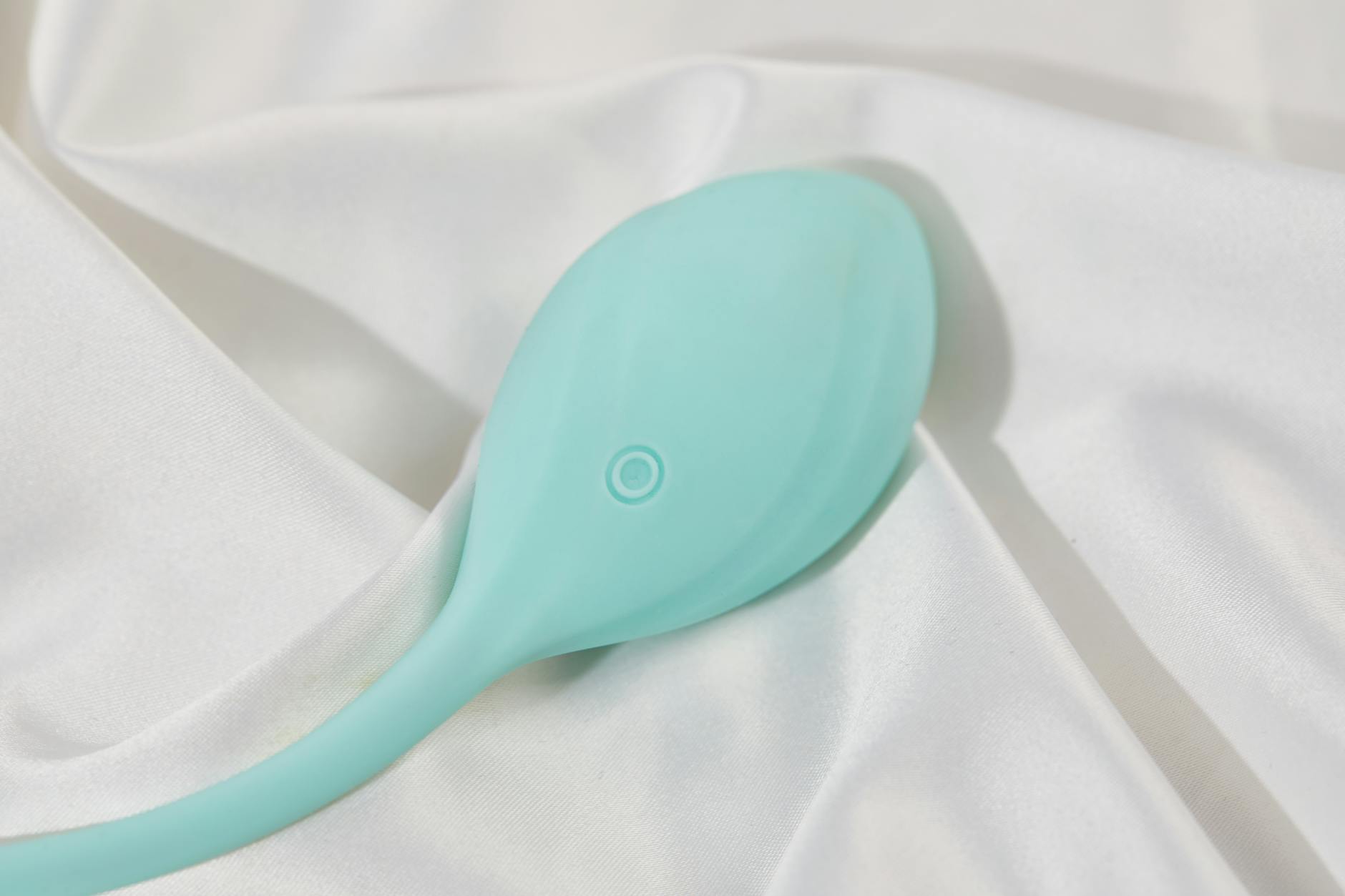
Let's talk about the thing nobody wants to mess up
You're early in a new relationship. Things are good. Maybe they're really good. And somewhere in the back of your mind is a thought: "Should I tell them I use a vibrator? And if I do, when? How?" The anxiety sits somewhere between wanting to be authentic and not wanting to spook them or seem "too much."
Here's what I see in my practice: couples who navigate this conversation early and directly end up with better sex, more trust, and less resentment later. Couples who hide it tend to create a separate secret life around pleasure that eventually leaks into other corners of the relationship.
This isn't about convincing someone to use a lemon vibrator with you right now. It's about building enough safety and curiosity that when the moment comes, it's an invitation, not a reveal.
The timing question isn't actually about timing
People ask me: "When should I bring it up? Third date? After we're official? Before we have sex?" The real answer is that the when matters less than the emotional ground beneath it.
You need three things to be in place before this conversation lands well. First, you've established that you can talk about sex without shame. You've used the word orgasm. You've mentioned what you like or don't like in bed. The conversation already exists.
Second, they've demonstrated they're curious rather than judgmental about your body and your pleasure. They've asked what feels good. They've adjusted their approach when you gave feedback. Curiosity is the green light.
Third, you're not bringing this up in a moment of conflict, negotiation, or repair. Don't say it when you're frustrated because things aren't working sexually. Don't use it as a solution to a problem in the relationship. Bring it up when things are good and you're simply sharing more of yourself.
If you've been together three months and only two months in, great. If it's been two weeks but you've had that kind of conversation already, that works too. The timeline is personal.
How to actually say it out loud
Honestly though, the phrasing matters way less than people think. You're not giving a TED talk. You're having a conversation. Here are three ways that work:
"I want to tell you something about how I experience pleasure so you know more about me. I use a clitoral vibrator sometimes. It's just part of how my body works best, and I wanted you to know."
Or: "Can I tell you something? I have this vibrator I use. I know it's something some people feel weird about, but it's honestly just a normal part of my routine. I'm telling you because I'd rather you know."
Or the super casual version: "So I have this lemon vibrator that I genuinely love. Thought you should know about the things that make me happy."
Notice what these have in common. They're short. They frame it as normal, not as a confession. They don't over-explain or apologize. They don't lead with "If that's weird to you..." because that preloads their insecurity into the space.
What you're doing is naming something factual about your sexuality. You're not asking permission. You're not pitching it as something they should want. You're sharing.
What happens when they get quiet
Some people will say "that's hot" immediately. Some will ask questions. Some will get quiet, and that silence can feel endless.
Quiet usually means they're processing, not rejecting. Give them space. "Do you have feelings about that?" is fair. "What are you thinking?" works too. Then actually listen. They might say: "I didn't know people did that," or "Does that mean I'm not enough?" or "Would you want to use it together?" or something you didn't expect.
If they say something defensive like "I can get you there on my own" or "I guess my touch isn't enough," that's information. It means they've connected your pleasure tool to their worth. That's a fixable conversation, but it requires you to be clear: "This isn't about you. It's about me knowing my own body. You give me pleasure. This is different. Both can be true."
If they ask whether you've used it with an ex, you can answer honestly without needing to defend yourself. "Yes" is a complete sentence. "I have, and I'm choosing to share this with you now because you matter to me" is even better.
Moving from conversation to practice
Don't rush this. You don't have to use a lemon vibrator together on the next date or even in the next month. Some people need time between hearing about something and being ready to experience it.
When you're both interested, frame it as exploration, not as a fix or a performance. "I thought it might be fun to see what this feels like when you're here with me" is different than "I need this to orgasm" (even if the second is true, now's not the time to say it).
Start slow. A lot of partners who are new to this expect it to be loud, intense, and overwhelming. They don't expect the actual sensation to be subtle or the rhythm to matter more than the power. Have them hold it for a second before anything happens. Ease into it together.
If you want more guidance on technique and sensation, our lemon vibrator guides cover the practical stuff in detail.
What often happens next (the good part)
In my experience, couples who navigate this early often discover something unexpected: introducing a tool becomes a way of introducing vulnerability. You've shown them something private. You've let them be part of your pleasure. That builds intimacy in a way that sometimes surprises both people.
Many partners become curious about their own bodies too. They start asking what they want, what feels good to them, what they've never tried. The conversation expands.
Some couples find that shared exploration becomes a language for closeness that didn't exist before. It's not about the vibrator. It's about the willingness to be curious about each other.
The insecurity conversations you might need to have
Here's something I see a lot: even when someone says they're cool with it, there might be an underlying worry. "Does she need this because I'm not enough?" or "Is he going to judge me for wanting one too?" These fears are worth naming and addressing, even if they weren't directly stated.
If you sense hesitation, you can surface it: "I want to check in. Are you feeling insecure about this? That's totally normal, and I want to talk about it if you are." Couples who talk about the fear directly end up closer.
You might also discover that they've used vibrators too and were equally nervous about telling you. That's how some of the best conversations start.
A note on introductions to other aspects of pleasure
Introducing a lemon vibrator to someone new is often the first conversation about bringing tools into shared pleasure. If this goes well, it becomes easier to have other conversations later about other things you might want to explore. This conversation is practice for deeper intimacy.
If you're navigating pleasure dynamics in a longer-term relationship, our piece on how to use clitoral vibrators with a partner after years together addresses a different set of dynamics.
The actual framework, distilled
First, establish that you can talk about sex without shame. Second, look for curiosity in how they respond to your body. Third, bring it up when things feel safe and good, not when you're trying to solve a problem. Fourth, say it simply and don't over-explain. Fifth, give them space to process. Sixth, don't rush the shared experience. Let it unfold when you're both genuinely interested.
That's the whole arc. It's not complicated. It's just honest.
FAQ: The stuff people actually worry about
What if they're offended that I didn't tell them sooner?
That's fair feedback. You can acknowledge it: "You're right, and I probably should have. I was nervous about how you'd react. I'm telling you now because I want you to know me, and I realized keeping this part of myself hidden wasn't serving either of us." That's real accountability, not defensiveness.
Should I show them the actual vibrator when I bring it up?
Not in the first conversation. Let them sit with the idea first. Once they seem genuinely interested, sure, let them hold it, see what it looks like, ask questions. Seeing an actual lemon vibrator is less abstract than talking about one. Many people's nerves settle once they realize it's just a small tool, not a threat.
What if they say they don't want me to use one at all?
That's a boundary they're setting, and you get to decide what to do with that. You can ask where it comes from. You can explain why it matters to you. You can negotiate (maybe just alone, not together). But ultimately, if someone asks you to stop using a tool that brings you pleasure, that's information about whether you're compatible. Don't dismiss it as prude-ish. Hear what they're actually saying underneath.
Can I introduce it by just showing up with one and using it?
Technically yes, but it skips all the groundwork. You might get the initial shock reaction you were trying to avoid. The conversation first creates context. Context creates safety.
What if we've already had sex and I'm just now telling them?
That's fine. "I realized I never told you that I use a vibrator, and I felt like that was something you should know about me" is a normal mid-relationship conversation. You don't need to be embarrassed about it.
How do I know if they're actually cool with it or just saying that?
Watch what they do next. Do they ask questions about your pleasure? Do they check in during sex? Do they seem genuinely curious, or are they quiet? Their body language, their follow-up questions, and their actions over the next few weeks tell you way more than their initial response.
The thing nobody says out loud
Sharing this part of yourself early in a relationship is an act of trust. You're choosing vulnerability before you're sure it's safe. That takes courage. And usually, when someone sees that courage, they rise to meet it.
Connection happens when you stop hiding. It's scary. It's also where real intimacy begins.
If you want to explore this more, reach out to Hello Nancy via our contact page. We're here for the conversations that matter.