Here's what nobody tells you about stress and pleasure
Long-term stress doesn't just make you tired. It rewires how your nervous system processes sensation. Your body goes into protective mode, numbing pleasure responses as part of survival physiology. The result feels like disconnection, flatness, or that strange experience where touch feels good conceptually but doesn't land in your nervous system.
I see this constantly in my work with couples coming out of high-stress periods. Jobs that demanded everything. Health crises. Financial chaos. Extended grief. All of it leaves your pleasure pathways a little dormant.
The good news: they're not broken. They need reactivation, and lemon vibrators are genuinely one of the fastest ways to teach your nervous system that sensation is safe again.
How chronic stress changes your pleasure response
When you live in sustained stress, your body stays partially in fight-or-flight mode. Your parasympathetic nervous system (the one that allows arousal and pleasure) gets sidelined. Blood flow becomes inconsistent. Muscle tension builds up, especially in the pelvic floor. Your brain literally rewires its dopamine response, so the stimuli that used to feel exciting now barely register.
Most people interpret this as low libido or loss of desire. Sometimes that's part of it. But often it's neurological numbness masquerading as disinterest. The desire is there underneath. The pathway just needs traffic again.
This is crucial because shame often arrives alongside the numbness. You start blaming yourself for not wanting sex, not wanting pleasure, for feeling disconnected from your body. That shame becomes a second layer of stress, which deepens the numbness further. Breaking that cycle is often half the work.
Why air-suction clitoral vibrators work better during stress recovery
Most vibrators rely on buzzing frequency to create sensation. For someone whose nervous system is still partially guarded, that raw buzz can feel overstimulating or irritating rather than pleasurable. You end up pushing through discomfort instead of genuinely reconnecting.
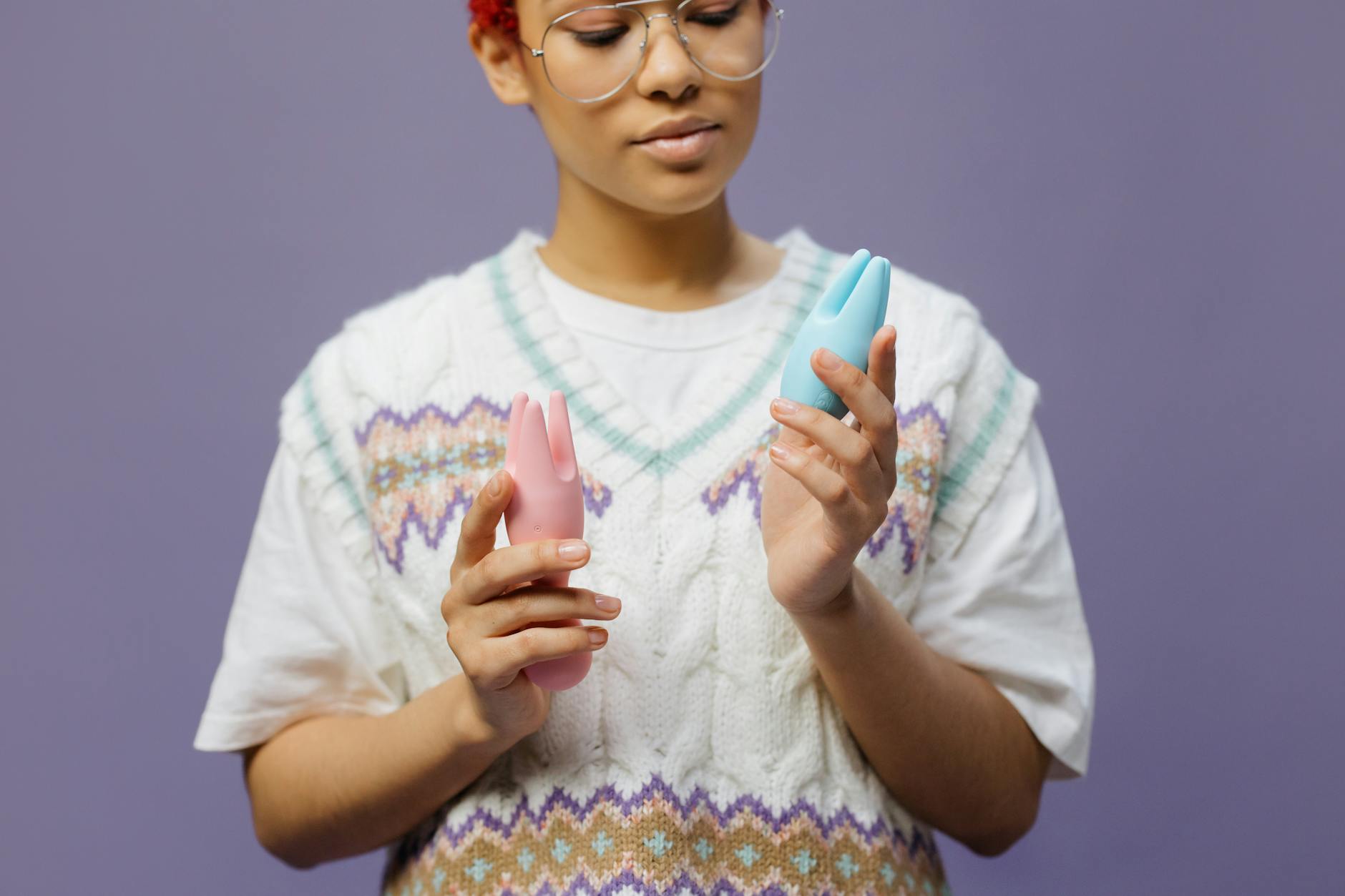
Air-suction technology, like what you find in the Lemon clitoral vibrator, works differently. It uses gentle pulsing pressure instead of pure vibration. This mimics the sensation of suction more closely than traditional buzz patterns, which feels more organically pleasurable to a nervous system that's still recalibrating.
For someone returning to pleasure, that difference matters. Air-suction creates a sensation that feels more like touch, less like machinery. Your brain reads it as safe, which means your nervous system can actually relax into it rather than bracing against it.
Start with landscape, not sprint
One of the biggest mistakes people make when re-engaging with pleasure after stress is treating it like a performance goal. They expect to feel aroused quickly, to climax efficiently, to get a satisfying result. That goal-orientation actually keeps you in the same stressed nervous system state you're trying to leave.
Instead, treat your first month back with a lemon clitoral vibrator as pure exploration. Set aside 20 minutes when you're not rushed or watching the clock. You're not aiming for an orgasm. You're literally just learning how sensation feels again.
Start on the lowest setting. The Lemon has multiple intensity levels for exactly this reason. Spend 10 minutes just noticing what sensation feels like against different areas. Your outer labia. Your vulva's sides. The clitoral hood. Your thighs. You're basically reintroducing your body to itself.
If nothing happens. Perfect. That's success. You spent 20 minutes not in stress mode. Your nervous system got a signal that pleasure is permissible. You did the work.
Building tolerance and sensation gradually
As you settle into this ritual, your nervous system starts to recognize the pattern. This time is safe. This is a signal to shift into parasympathetic mode. After a week or two of low-pressure exploration, you might notice sensation starting to land more consistently.
When that happens, you can begin exploring intensity. Move to a slightly higher setting. Spend a bit more time in spots that begin to feel genuinely good, rather than just neutral. You're following your body's lead, not imposing a timeline.
Many people returning to pleasure after stress report that the first genuine sensation they feel is often relief or even tears. That's completely normal. Your nervous system is essentially grieving the disconnection, even as it's healing from it. Let it. Crying is a sign your parasympathetic system is engaging. That's the opposite of stress mode.
What to do if you feel numb or frustrated
Some people hit a wall around week three or four where the newness wears off but deep pleasure still hasn't returned. This is where patience becomes critical. Your nervous system has been protecting you for months or years. It's not going to flip to total trust in a month.
This is actually when adding a partner into the ritual can help, if you're in a relationship. Not for performance. Just for emotional presence. Having someone you trust nearby while you're exploring pleasure tells your nervous system "I'm safe enough to let my guard down." That witnessing can accelerate the process.
If you're solo, journaling for 5 minutes after your ritual can serve the same function. You're essentially narrating what sensation felt like, which keeps your conscious mind engaged with the process rather than judging it.
And if numbness persists beyond six weeks, check in with yourself about stress levels. Have they actually decreased, or are you still in crisis mode? Often the issue isn't the practice. It's that you haven't actually left the stressor behind yet. Sometimes you have to address the external stress first before your nervous system will fully relax into pleasure.
The role of your pelvic floor in stress recovery
Chronic stress lives in your pelvic floor. That muscle group stays chronically tensioned, which paradoxically makes sensation feel duller, not sharper. Tension blocks blood flow and nerve signal. It's like trying to feel pleasure while clenching your fists.
Using a lemon sexual toy works best when you're simultaneously learning to relax your pelvic floor. This doesn't mean doing Kegels. It actually means the opposite. Before you use the Lemon, spend two minutes just breathing and consciously releasing that muscle group. Many people find it helpful to breathe in for four counts, hold for four, exhale for six. The longer exhale signals your nervous system to relax.
Then, when you're using the vibrator, focus on not tensing. When you feel yourself bracing or tightening in anticipation of pleasure, that's the old stress response. Gently release it. This takes practice, but it's often the thing that shifts numbness into genuine sensation.
Pleasure rituals that anchor recovery
This isn't about willpower. It's about creating a consistent signal to your nervous system that pleasure time is safe time. The specificity matters more than you'd think.
Choose a time of day when you're not prepped for anything else. Not right after work when your nervous system is still firing. Not right before sleep when you're already depleted. Ideally mid-afternoon or early evening on a day when your stress load feels lighter.
Create a tiny ritual. Light a candle. Change the sheets. Put your phone in another room. Take a warm shower beforehand to wake up sensation in your skin. These aren't fluffy extras. They're signals that tell your nervous system "we're shifting into a different mode now."
The consistency matters more than the duration. Fifteen minutes twice a week is better than ninety minutes once a month. Regular signals are what retrain a stressed nervous system. It's like learning a language. Frequent short practice beats infrequent long practice every time.
When to bring a partner back in
If you're in a relationship and you've been disconnected from pleasure during stress, your partner has likely been affected too. The question of when and how to reintroduce partnered sex can feel fraught.
Here's my honest take: don't wait until you feel fully "healed" or "back to normal." That might take six months. Your partner doesn't need you to be fully recovered before reconnecting. They need the process to be transparent.
Try this conversation: "I'm working on reconnecting with my body and pleasure after everything we've been through. I'd like to spend time doing that solo for the next month, and then I'd love to start exploring pleasure with you again. Not to perform or produce an outcome. Just to practice being present together."
Most partners respond with relief to that honesty. They'd rather know the timeline than wonder if they've permanently lost the physical connection.
When you do return to partnered pleasure, it's often helpful to set a specific boundary: the first few times, you're using your lemon clitoral vibrator solo while your partner is present, maybe touching you elsewhere but not trying to penetrate or create traditional sex. That removes the performance pressure while rebuilding the comfort of physical presence.
The Lemon works well for this because it's hands-on, which means your partner can be touching your thighs or your back or your hair while you're focused on sensation. There's contact and presence without added pressure.
FAQ: Returning to Pleasure After Long-Term Stress
How long does it typically take to feel sensation again after chronic stress?
Three to eight weeks is the most common timeline I see, but it varies wildly. Some people feel noticeable shifts in two weeks. Others need three months. The key variable is whether the stressor itself has actually ended. If you're still in the crisis, your nervous system won't fully relax. But assuming the external stress has decreased, consistent solo practice with a tool like the Lemon usually produces some noticeable sensation shift within a month.
Is numbness during pleasure a sign something is medically wrong?
It's worth checking with a doctor if numbness is severe or if you're experiencing pain alongside it. But most stress-related numbness is neurological, not physiological. Your nerves work fine. Your nervous system is just protecting you. That said, some medications (antidepressants, blood pressure meds, hormonal birth control) can contribute to numbness. If you're on something new during or before the stress period, that might be a factor worth discussing with your provider.
Can you use a lemon clitoral vibrator if you're still in a stressful situation?
Technically yes, but the progress will be slower. Your nervous system is still in defensive mode. You're swimming upstream. If possible, prioritize reducing the stressor before diving into pleasure practice. If the stressor is unavoidable right now, lemon sexual toys can still help, but think of it as harm reduction rather than full recovery. You're maintaining connection to your body while the stress persists, not trying to fully reactivate pleasure under fire.
What if your partner doesn't understand why you're not interested in sex yet?
This is a conversation worth having clearly and early. Many partners assume low libido means you're not attracted to them anymore. Reframe it: "My nervous system is protecting me. I'm working on healing that. It's not about you or about us." Then show them the work you're doing. Invite them to understand it as a process, not a rejection. Partners who understand what's happening often become allies in recovery rather than sources of additional pressure.
Are there other tools besides vibrators that help with stress-related numbness?
Yes. Somatic therapy (working with a therapist trained in body-based trauma work) is genuinely effective. So is breathwork, cold water immersion, and consistent movement. But vibrators are unique because they combine nervous system signal (pleasure is safe), direct stimulation (reactivating sensation), and accessibility (you can do it solo on your own timeline). They're one piece of a bigger toolkit, not a standalone solution.
How do you know when you're ready to move toward orgasm as a goal?
When sensation feels present and consistent without effort. When you can sit with your lemon vibrator and feel generative pleasure without frustration or impatience. That usually takes about a month of regular practice. Once you're there, you can start exploring what actually builds toward climax for you, rather than chasing it. The shift from "can I feel anything?" to "what feels good?" is the real marker that recovery is happening.
Moving forward with gentleness
Stress doesn't just affect your nervous system. It affects how you relate to your own pleasure, to your body, to the experience of being alive in your skin. Recovering from chronic stress is partly physical reactivation and partly permission. Permission to prioritize sensation. Permission to take pleasure seriously. Permission to rebuild connection slowly, without shame.
Lemon vibrators are tools for that rebuilding. They're not magic. But they are remarkably effective at sending a clear signal to your nervous system: pleasure is safe again. Your body remembers how to feel. You just need consistent, patient practice.
Start slow. Show up regularly. Trust the process. Your nervous system will follow.