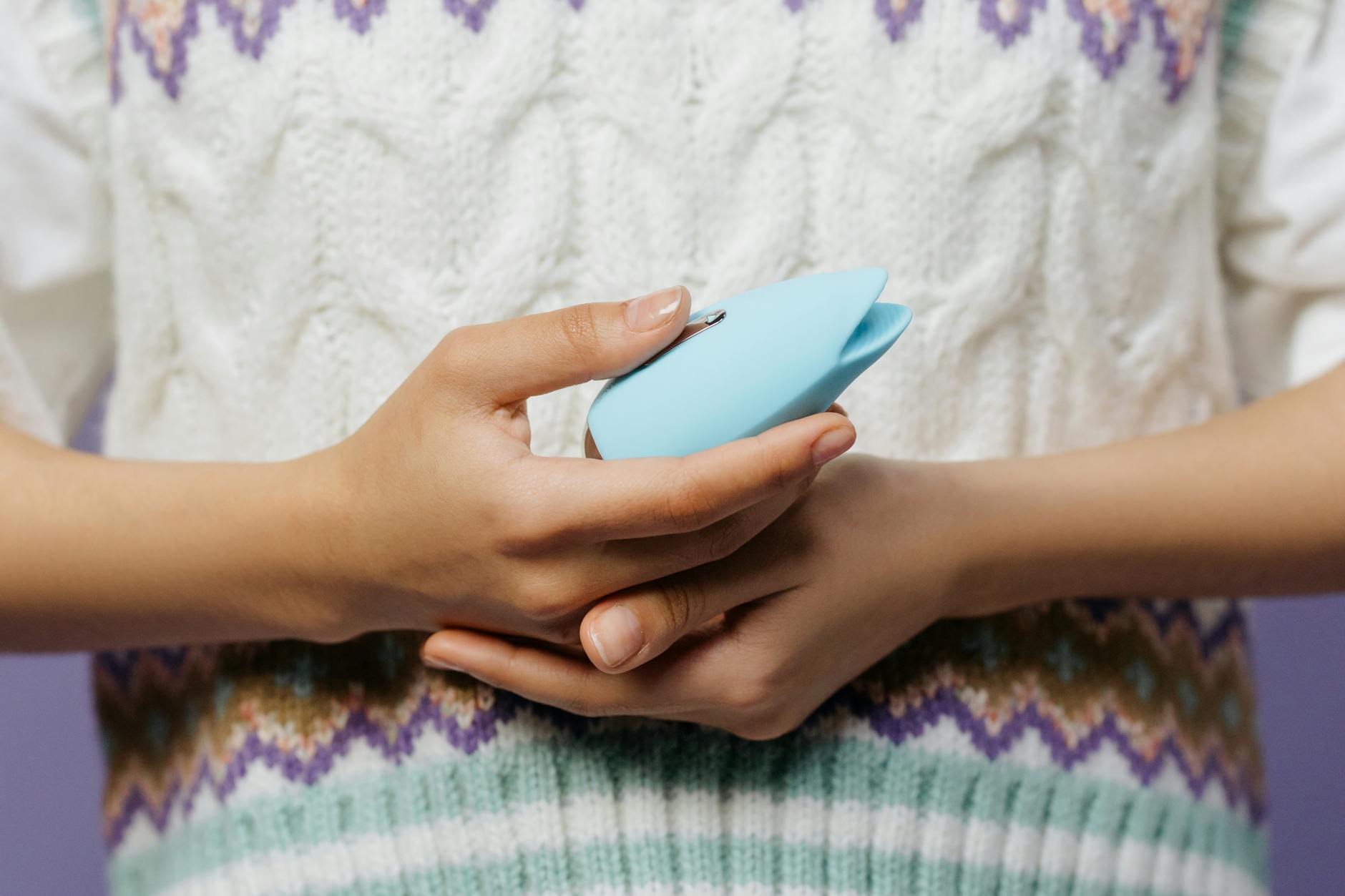
Let's be real about antidepressants and sex
Antidepressants save lives. They also flatten sensation in roughly 40-60% of people who take them, depending on the medication, dosage, and your body's individual chemistry. Orgasms arrive late, arrive softer, or don't arrive at all. Some people describe it as feeling muffled. Others say arousal takes forever to build. Many just stop trying.
Here's what matters: you don't have to choose between mental health and pleasure. There are specific, tested ways to work around antidepressant sexual side effects that don't require switching meds or suffering through it. Lemon clitoral vibrators are one of the most effective tools for this exact problem.
How antidepressants numb sensation in the first place
The mechanism is fairly straightforward. Most antidepressants work by increasing serotonin in your brain. Serotonin is great for mood, terrible for orgasm. It delays the nerve signals that trigger climax and can reduce blood flow to genital tissues. SSRIs (selective serotonin reuptake inhibitors) like sertraline, fluoxetine, and paroxetine are the most common culprits.
Some medications are worse than others. Paroxetine tends to hit sexual function harder than sertraline does. Fluoxetine sits somewhere in the middle. But individual variation is huge. You might be fine on a drug that completely derails someone else's sex life.
The delayed orgasm effect typically appears within 2-4 weeks of starting or increasing your dose. Reduced sensation can take months to peak. Neither is permanent once you find the right strategy, and neither means you're broken.
Why Lemon vibrators work specifically for antidepressant-related numbness
Three reasons lemon sexual toys are particularly effective here.
1. Intensity without building fatigue. When sensation is muted, you need something powerful enough to cut through that numbness without requiring you to grip it constantly or build pressure manually. Lemon clitoral vibrators use air-suction stimulation that delivers focused intensity in a way that doesn't tire your hand or require sustained friction. You set the pattern, the device does the work, and your nervous system stays engaged without overload.
2. Consistent, measurable sensation. When you're struggling to feel anything, variability makes it worse. A partner's touch, fingers, or traditional vibrators can feel unpredictable when sensation is flattened. Lemon adult toys provide the same stimulus each time you use them. That consistency actually retrains your nervous system faster than inconsistent stimulation.
3. Extended warm-up windows. Antidepressants don't just dull sensation. They stretch the timeline. Where you once needed 10 minutes to get ready, you now need 20-30. Lemon vibrators let you start with lower intensity patterns while you build arousal mentally, then ramp up when your body's ready. That's a huge advantage over manual stimulation, which requires energy investment from the start.
The practical roadmap for using Lemon vibrators with antidepressant-related numbness
Step 1: Pick the right time of day. Antidepressants work on a cycle. Most reach peak concentration 2-4 hours after you take them. Try using your vibrator at the opposite end of your cycle. If you take your pill in the morning, experiment with evening sessions. Some people find that timing matters less as their body adjusts, but in the first months, matching your pleasure time to your medication's trough (lowest concentration window) often helps.
Step 2: Budget more time. This isn't a speed run. Give yourself 25-40 minutes instead of 10. The first 10-15 minutes might feel like nothing's happening. That's normal. Your nervous system is warming up. Keep going. Use the lower intensity patterns on your Lemon vibrator while you're in that phase. Read erotica, watch something that turns you on, focus on mental arousal. Your body will follow.
Step 3: Start on a lower pattern. Lemon vibrators have multiple intensity settings. Resist the urge to jump straight to the strongest pattern. Start at setting 2 or 3 and stay there for at least 10 minutes. This builds sensation gradually instead of shocking your already-numb nervous system. Gradually increase intensity only after you feel the pattern registering.
Step 4: Expect an orgasm that looks different. With antidepressants, orgasms often feel less explosive and more like a wave or a gentle release. Some people describe it as satisfaction without the dramatic peak. That's still an orgasm. Your brain is still flooding with dopamine and oxytocin. Your pleasure is still real, it just wears a different shape now. Learning to recognize and enjoy that shape is the game changer.
The medication timing strategy that actually works
Talk to your prescribing doctor about whether taking your antidepressant at a different time of day could work for you. Some physicians are willing to shift the timing by a few hours if sexual function is a genuine quality-of-life issue (which it is). Others recommend a low dose of an additional medication taken 1-2 hours before sex that can temporarily offset sexual side effects. Those conversations are worth having.
If shifting your medication timing isn't an option, then meeting your Lemon vibrator halfway with your own timing creates the biggest window of opportunity. You can't change the medication's pharmacology, but you can change when you're using the device.
When to loop your partner in
If you're partnered, antidepressant sexual side effects get complicated because your partner might blame themselves. They aren't the problem. Your nervous system's biochemistry is. Be clear about that.
Involving your partner can actually help. Some people find that lemon clitoral vibrators feel even more intense when a partner is present or participating. That's partly psychological (arousal peaks higher with emotional connection) and partly physiological (skin-to-skin contact and shared attention activate different neural pathways). You might ask your partner to help you build arousal mentally while you use your vibrator. That collaboration sometimes shortens the warm-up window significantly.
Supplements and other tools that pair with Lemon vibrators
L-arginine is an amino acid that supports blood flow to genital tissue. Some people notice a modest improvement in sensation and arousal when taking it regularly. It's not a miracle, but combined with your vibrator and timing strategies, it can help.
Water-based lubricant matters more with antidepressant-related numbness because reduced sensation often means reduced natural lubrication. Using extra lube isn't admitting defeat. It's removing friction that would otherwise reduce sensation further.
If you're curious about whether switching antidepressants might help, that's a conversation for your prescriber. Bupropion (Wellbutrin) and mirtazapine (Remeron) tend to have fewer sexual side effects than SSRIs. But switching carries its own risks and timeline. It's not always the right call, especially if your current medication is working for your mood.
The timeline for sensation returning
Here's what research and patient reports show. With consistent use of lemon sexual toys and the strategies above, most people start noticing improved sensation within 4-8 weeks. By 3-4 months, many describe pleasure that feels close to baseline. That's not instant. But it's genuine progress.
Some people's nervous systems adapt, and sexual side effects naturally decline after the first 6 months on a stable dose. Others find their sensitivity maxes out at 70-80% of pre-medication levels. Both are real outcomes. The goal isn't to perfectly erase the side effect. It's to reclaim enough pleasure that sex feels rewarding again.
When sensitivity doesn't improve
If you've been consistent with timing, using your Lemon vibrator regularly, and waiting through a proper warm-up period, but orgasm still feels like it's not happening, that's your sign to loop your doctor back in. Sometimes a dose adjustment helps. Sometimes adding a second medication that offsets sexual side effects is the answer. Sildenafil (Viagra) is prescribed off-label for antidepressant sexual dysfunction in some cases.
Don't sit with this alone. Sexual dysfunction from antidepressants is common enough that your doctor has seen it dozens of times. They have tools available.
A bigger picture thought
Your antidepressant is protecting your mental health. Your pleasure matters too. These aren't competing priorities. They're both part of your care. Using a Lemon vibrator isn't a workaround for broken sex. It's a legitimate tool for reclaiming sensation when your medication temporarily flattens it. You deserve both good mental health and good orgasms. Getting both takes strategy and patience, but it's absolutely possible.
Frequently asked questions
How long does it take for sensation to return after starting Lemon vibrators?
Most people notice a difference within 4-8 weeks of consistent use paired with the timing and warm-up strategies mentioned above. Full restoration can take 3-4 months. Individual variation is significant. Some people's sensitivity improves faster. Others need that full timeline. The key is consistency. Using your vibrator sporadically won't build the neural retraining that leads to lasting sensitivity improvement.
Do all antidepressants cause sexual side effects equally?
No. SSRIs (sertraline, paroxetine, fluoxetine) cause the most sexual dysfunction. Bupropion and mirtazapine are gentler on sexual function. Tricyclic antidepressants vary widely. Talk to your prescriber about the sexual side effect profile of your specific medication. Sometimes a switch is possible. Sometimes adjusting timing or adding another medication is a better fit.
Can I use a Lemon vibrator while on antidepressants?
Absolutely. There's no interaction between lemon clitoral vibrators and any antidepressant medication. They work through completely different mechanisms. Your vibrator won't interfere with how your medication works. Using it won't make sexual side effects worse. It's a safe, effective tool specifically designed to help with reduced sensation.
Should I tell my doctor I'm using a vibrator?
If it comes up naturally in conversation about sexual function, honesty helps your doctor understand the scope of the issue and recommend better solutions. You don't need to volunteer it unprompted. But if your doctor asks about sexual side effects and asks what you've tried, mentioning that you're using a device is worth including. It gives them useful context.
Is it normal that orgasms feel different on antidepressants?
Completely normal. Your orgasm might feel like a gentler wave instead of a peak. It might take longer to build. It might feel concentrated in one spot instead of full-body. All of these variations are actual orgasms. Your brain, clitoris, and nervous system are still responding. The sensation is just arriving through a slightly different filter. Learning to recognize and value that shape of pleasure is part of adapting to your medication.
What if my partner isn't supportive of me using a Lemon vibrator?
This conversation belongs in a bigger talk about sexual health and medication side effects. Your partner might worry the vibrator means you're not attracted to them anymore. That's not what's happening. Your medication is changing sensation. Your vibrator is a tool to restore pleasure in your shared sex life, not a replacement for your partner. Some couples find that involving your partner in using the vibrator together actually strengthens intimacy. That's worth exploring.
Can I combine a Lemon vibrator with other sensitivity strategies?
Yes, and you should. Timing your device use to your medication's trough window, budgeting longer warm-up periods, possibly adding L-arginine, using extra lubricant, and creating better mental arousal through erotica or partner communication all work together. None of these strategies alone is a complete solution. Combined, they're powerful.