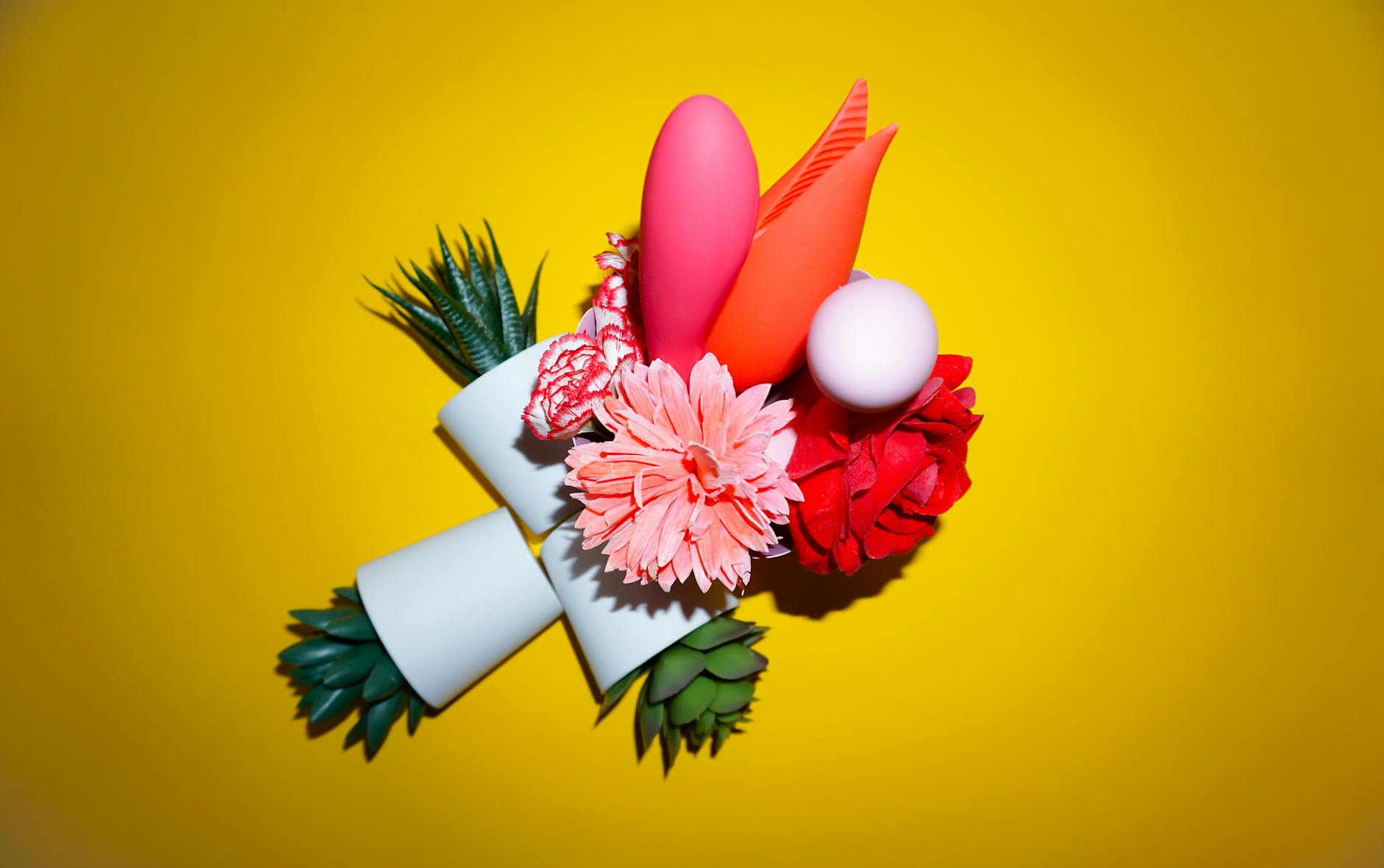
Here's the thing about pleasure and chronic pain
Let's be real: chronic pain, limited mobility, and restrictive conditions get treated like a sex life dead zone. They're not. But adapting takes intention, usually some problem-solving, and genuinely useful information. That's what we're doing here.
If you're dealing with arthritis, back pain, pelvic floor dysfunction, fibromyalgia, ME/CFS, mobility aids, or any condition that makes traditional positions uncomfortable or impossible, lemon vibrators can actually work better for you than they do for people without those constraints. I'll explain why in a moment. First, let's normalize this: pleasure is part of living with chronic illness, not something you forfeit because of it.
Why lemon vibrators work particularly well for limited mobility
Most vibrators require you to do the work. You're holding them, positioning them, maintaining angle and pressure. That's a lot of physical demand when your body is already depleted.
Lemon clitoral vibrators, especially the suction-based design, flip that equation. The toy does the work. You can lie flat, reclined, or in whatever position causes you the least pain, and the lem handles the stimulation. No thrusting required. No contortion necessary.
Second, suction-based stimulation (which lemon vibrators deliver) doesn't demand direct friction the way traditional vibrators do. This means you can use it through clothing or with barriers if direct touch causes pain. You can also apply it with varying pressure and control intensity without exertion.
Third, the lem is lightweight and one-handed. If your hands or arms are affected by your condition, that single-handed operation matters. You're not juggling, balancing, or adjusting anything mid-session.
The positioning toolkit: what actually works
Forget missionary, forget anything that requires core strength or arm support. Here are the positions that work best for chronic pain and limited mobility.
Fully reclined, legs relaxed. This is your baseline. Lie on your back on a bed or couch, knees slightly bent or fully extended, whatever your body prefers. Your partner (if you have one) can sit beside you or between your legs. You can use the lem yourself, or your partner can, which brings a whole different energy to the experience if you're sharing it.
Side-lying. If lying on your back triggers pain, side-lying takes pressure off your spine and hips. You're fully supported by the mattress. Your partner can access you easily, or you can use the lem yourself with your arm resting on the bed.
Elevated recline. If you have a wedge pillow or adjustable bed, elevating your torso 30 to 45 degrees changes everything. It reduces compression on your spine, takes strain off your hips, and makes breathing easier. Use a lemon clitoral vibrator in this position and you're getting all the stimulation with minimal physical demand.
Seated. If you can sit comfortably in a chair, especially one with good back support, this position works. You're not fully reclined, you have control, and you can adjust angle with your partner. The lem works brilliantly this way because you're already supported.
What all these positions have in common: minimal core engagement, maximum support, and zero demand for flexibility or strength.
Pain management before, during, and after
Don't skip this part. Pleasure and pain exist in the same nervous system, and managing one affects the other.
Before. If heat helps your pain, use a heating pad for 10 to 15 minutes before sex or solo play. Warmth relaxes muscles and increases blood flow, which can make sensation richer. Cold works for some people too. Ice on a sore joint before intimate time can numb localized pain enough to let you focus on pleasure elsewhere.
Consider timing. Pleasure usually feels better when your pain medication is working well and you're not exhausted. That might be morning, might be evening, might be a specific time your meds peak. Learn your own rhythm.
During. Keep your pain levels a priority. If something hurts, stop. This is not a moment to push through. Your nervous system is paying attention, and pushing through pain teaches your body to associate intimacy with pain. That's backward. Instead, adjust position, slow down, or pause entirely.
Lemon vibrators are quiet and responsive. You can adjust intensity mid-session without friction or fuss. If you hit a pain point, lower the setting or move the toy slightly.
After. Plan recovery time the way you'd plan anything else. Some people feel tired. Some feel energized. Chronic pain adds a third option: some people feel temporarily worse before they feel better. That's normal. A cool-down period, hydration, and rest help. Don't schedule anything demanding immediately after. Give yourself the same post-care you'd give any activity that engages your nervous system.
Communication with partners (if you have one)
If you're partnered, your partner needs to understand a few things.
Your mobility limits aren't a rejection of them. This is the big one. When you can't do certain positions or need longer recovery time, it's not commentary on desire or attraction. It's logistics. Separate those conversations.
Their role isn't to "help you overcome" your condition. It's to work with it. Asking your partner to hold the lemon vibrator while you relax is not a workaround. It's a different kind of intimacy. It involves vulnerability, trust, and shared focus. That's worth something.
Talk about modifications before things start. "If I need to switch positions, I'll say X" or "This angle doesn't work, let's try Y." You're not describing a problem. You're describing a map. Clarity kills shame.
Lubricant, barriers, and comfort layers
Lubricant is not optional for chronic pain. It reduces friction, allows the suction action of the lemon vibrator to work more effectively, and usually feels better. Water-based lubes work best with silicone toys. Keep some nearby.
If you have pelvic pain, vulvodynia, or other conditions where direct contact causes flare-ups, use a thin barrier. Some people use a washcloth, a square of fabric, or even unscented toilet paper between the toy and their body. Suction still works through barriers, and you get the pleasure without the pain signal.
If arthritis or hand pain makes it hard to hold the lem, explore options. A partner can hold it. Some people use an adjustable phone holder or a small stand to position it. You're not working around a flaw. You're customizing the experience for your actual body.
When to involve a healthcare provider
If sex causes pain flares that last hours or worsen your underlying condition, talk to your doctor or physical therapist. Some chronic pain conditions benefit from pelvic floor physical therapy, which actually improves sexual function and sensation. That's not a given, but it's worth asking about.
If you're on medications that affect sensation, arousal, or orgasm (many pain medications do), your provider might have solutions. Adjusting timing, adding support meds, or switching medications can sometimes help without losing pain relief.
And if you're dealing with pelvic floor dysfunction specifically, a pelvic floor PT can teach you how to relax those muscles, which changes what sensations feel good and amplifies pleasure.
The pleasure reclamation piece
Here's what I see over and over: people with chronic pain approach sex like they're fitting it in around illness, not like they deserve it as part of living. You do deserve it. Not as a consolation prize. As part of your actual life.
Lemon clitoral vibrators exist partly because someone understood that not everyone's body works the same way. Suction-based stimulation, lightweight design, single-handed control, quiet operation, intensity control—these features weren't invented to accommodate disability. They were invented because they work better for a lot of people. You might be one of them.
Your pleasure matters even when your body hurts. Especially then, maybe. Because pleasure is one of the few things that reminds you your body is also capable of feeling good.
FAQ
Can I use a lemon vibrator if I have fibromyalgia?
Yes. Fibromyalgia makes you sensitive to pressure and touch, which usually makes vibrators overwhelming. Suction-based stimulation like the lem can feel very different from traditional vibration. Start on the lowest setting, use lots of lubrication, and see how it feels. You can use barriers (thin fabric) between the toy and your body if direct contact triggers symptoms. Many people with fibromyalgia report that pleasure is actually easier to access when the toy is doing the physical work instead of requiring them to move.
What if lying down causes pain in my back or pelvis?
Start with elevated recline using pillows or a wedge. An adjustable bed is ideal but not necessary. You can also try side-lying, fully seated with back support, or any variation in between. The point is: you don't need a specific position. You need a position that works for your pain. Experiment with what that is, and use the lem in that position. Your partner (if you have one) can adjust their positioning to match.
Do lemon adult toys work with chronic fatigue?
Chronic fatigue makes exertion risky and exhaustion afterward unpredictable. Since the lem requires minimal physical effort from you, it's usually well-tolerated. You can lie still and let the toy do the work. The key is timing: plan for pleasure when you have the lowest symptom load and the most energy. That might be once a week. That's still a win.
Is it normal for pain to flare up after using a lemon clitoral vibrator?
Some people experience temporary flares because arousal engages the nervous system. That usually settles within hours. If flares last a day or longer, you might need to adjust position, reduce session length, or add pain management (heat before, ice after). If flares happen consistently, ask your doctor or physical therapist what's happening. You might have underlying pelvic dysfunction that needs addressing, or you might just need to space sessions further apart.
Can I use lemon sexual toys with pelvic floor dysfunction?
It depends on whether your pelvic floor is too tight (hypertonic) or too loose (hypotonic). If it's too tight, direct stimulation of the area can feel painful. Barriers help. If it's too loose, stimulation might feel muted. A pelvic floor physical therapist can help you understand your specific issue and suggest approaches. Many people with pelvic floor dysfunction actually benefit from working with a toy while doing relaxation exercises, which is something a PT can guide.
What's the best way to talk to my partner about my limitations?
Be specific. "I can't do positions that require me to support my weight" is more useful than "my body hurts." "This angle works for me" matters more than listing everything that doesn't. Frame it as logistics, not rejection. "I want this, and here's how our bodies work with it" opens a conversation. "I'm not sure" is also fine. Experiment together, adjust as you learn what works, and remember that you're solving a problem, not announcing a failure.
The bottom line
Chronically ill people deserve pleasure that works with their bodies, not against them. Lemon vibrators, especially the suction-based design, were made for bodies that need efficiency, control, and comfort over physical exertion. Your pleasure isn't a luxury you're supposed to give up. It's part of taking care of yourself. Start with positions that feel good, use lubrication, communicate clearly if you're with a partner, and give yourself permission to adjust as you learn what works. Your body isn't broken. It just needs the right tools and the right approach. That's what we're here for. If you have questions about what products might work best for your specific situation, get in touch at /contact.