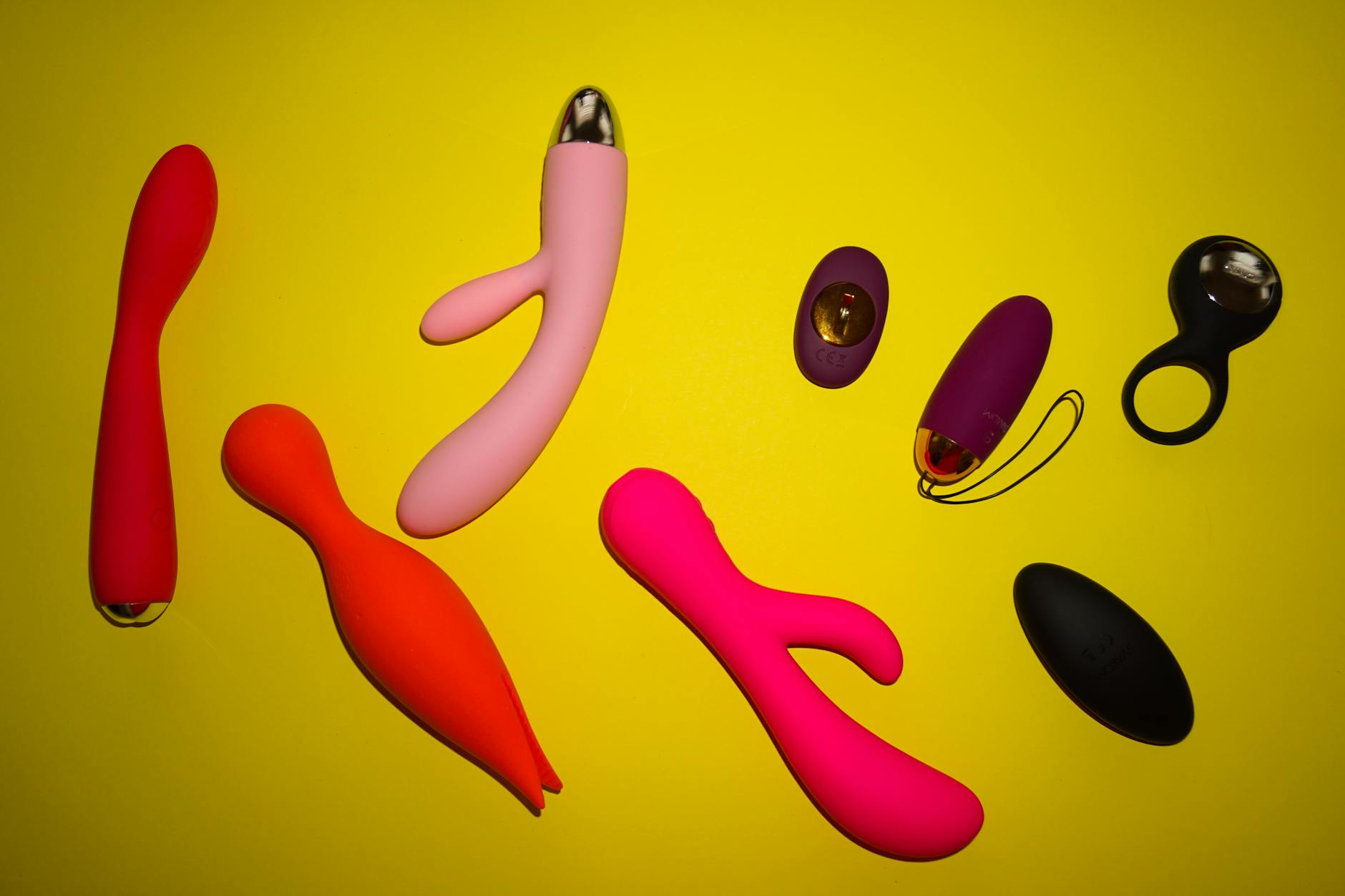
How to Use Lemon Vibrators When You're Returning to Sex After a Health Crisis
Your body survived. Now comes the harder part: trusting it again. Here's how lemon adult toys help you rebuild arousal, sensation, and intimacy when pleasure feels completely new.
A health crisis stops your body. Recovery starts it again. But restarting sex is not the same as restarting a car. There's no ignition switch that works the same way it did before. Your nervous system needs permission. Your brain needs proof that pleasure is safe again. And your body, whatever it's been through, needs to be met exactly where it is now, not where it was before.
That gap between "I'm cleared medically" and "I actually feel like having sex" is where most people get stuck. You're not broken. You're adjusting to a new baseline.
When your body goes through trauma, surgery, or extended illness, the nervous system records the event as a threat. Even after healing is complete, your body stays guarded. Arousal requires your nervous system to feel safe enough to open up. After a health crisis, that's harder to access.
Three things shift:
Sensation changes. Scar tissue, nerve damage, or medication side effects can dull or distort physical feeling. What used to feel good might feel numb, sharp, or completely absent. This isn't permanent, but it's real, and your brain is rightfully confused.
Arousal timing shifts. Your body might take longer to respond. Or it might respond but then hesitate halfway through. Your nervous system is literally relearning that pleasure is possible without triggering the trauma response.
Mental arousal shifts. Even when your body says yes, your mind might be scanning for danger. Anxiety during sex after illness is so common it's almost universal. It's not weakness. It's your survival instinct doing its job too well.
Lemon clitoral vibrators are useful here precisely because they work within these new constraints, not around them.
Lemon vibrators use gentle suction instead of traditional vibration. That matters for post-health-crisis bodies in three specific ways.
First, suction is gentler on sensitive tissue. If you've had pelvic surgery, vulvovaginal atrophy from medication, or nerve sensitivity that makes direct touch feel sharp or overwhelming, suction distributes sensation across a broader area without the intense point-pressure of traditional vibrators.
Second, suction creates a feedback loop that your nervous system recognizes as pleasurable rather than threatening. The sensation builds gradually. It's rhythmic and predictable. Your nervous system doesn't have to white-knuckle through sudden intensity.
Third, you can control the intensity in tiny increments. Most lemon sexual toys have multiple pattern settings that let you start at barely-there and work up as your comfort grows. You're in control. That agency is essential when you're rebuilding trust with your body.
Timing matters. Don't push this. You're not on a medical schedule anymore, which means you get to move at your own speed.
Week 1: solo exploration, no goal. Use your lemon vibrator alone, with no intention of orgasm. Start at the lowest setting. Spend 10-15 minutes just noticing. What sensations are new? What feels off? What surprises you? This is data collection, not performance.
Week 2-3: extend the timeline. Gradually increase time. Move up one intensity level if it feels right. You're building tolerance and reconnecting sensation pathways. This takes longer than you think it should. That's normal.
Week 3-4: introduce context. Bring your lemon vibrator into partnered sex if you have a partner. Start with foreplay only. Let them see you using it. Let them understand that this isn't a replacement for them, it's a bridge back to sensation. If you're solo, this is when you can start thinking about pleasure as a goal, not just exploration.
Beyond week 4: integration. Your nervous system should feel less reactive by now. You can experiment with new positions, timings, patterns. You're no longer rebuilding. You're exploring.
This timeline varies wildly. Some people move through it in two weeks. Others need two months. Both are completely fine.
You might freeze mid-session. Your body might respond but your mind starts catastrophizing. You might feel close to arousal and then suddenly feel unsafe. This is not failure. This is your nervous system being honest about where it actually is.
When this happens, stop. Take your hand off the vibrator. Breathe for 30 seconds. Notice what's true right now: your body is safe, you're in a comfortable space, you're in control. Then decide if you want to continue. You might. You might not. Either choice is right.
If you have a partner, tell them this will happen sometimes. It's not about them. It's not about attraction. It's your nervous system recalibrating. Partners who understand this can be genuinely helpful. Partners who take it personally often accidentally make it worse.
If pain during sex doesn't improve after four weeks of gentle exploration, see a pelvic floor physical therapist. They can identify if there's underlying tension or scar tissue that needs attention. This isn't something a vibrator, even a sophisticated lemon clitoral vibrator, can fix alone.
If anxiety during sex is overwhelming, consider talking to a therapist who specializes in trauma or sexual recovery. There's no shame in this. Your nervous system has legitimate information to process. A professional can help you do that faster.
If you're on new medications that are affecting arousal or sensation, talk to your doctor. Sometimes switching timing or dosage helps. Sometimes it doesn't. But the conversation is worth having.
If you share a bed with someone, they're part of your recovery whether you want them to be or not. Some of what you're going through is solo nervous system work. Some of it is relational.
Tell your partner three things clearly: what your body can tolerate right now, what kind of touch helps you feel safe, and what kind of pressure makes you feel pressured. Then actually listen when they tell you their fears. They might be scared they hurt you. They might be scared you don't want them anymore. Those fears are separate from your recovery. Address them separately.
Using a lemon vibrator together can be part of rebuilding physical connection without the performance pressure of traditional sex. You're both learning your new normal together.
You probably want your body back the way it was. Your nervous system is not interested in that timeline. It's interested in safety. Once your nervous system believes you're safe, arousal usually follows. Until then, pushing harder just makes your body grip tighter.
This is the slowest, most boring part of recovery. It's also the most important part. You're not broken. You're not failing. You're learning to live in a body that's been through something and come out the other side.
Medically, usually four to six weeks, but ask your surgeon or doctor specifically. Even if you're cleared, your nervous system might not feel ready. That's fine. Start when your body signals yes, not when the calendar says it's okay.
It can help, but it's not the primary tool. A lemon vibrator can help rebuild sensation and show your body that pleasure is still possible. But if sex itself is triggering trauma, you probably need a trauma-informed therapist alongside the vibrator work. They work together, not separately.
Numbness often fades over weeks or months as your nervous system settles. But it can also be a side effect of medications or nerve damage. If it persists beyond a month, talk to your doctor. A pelvic floor physical therapist can also help determine if it's tension-related versus neurological.
Absolutely. But make sure you're genuinely comfortable with that. Having a partner present can reduce anxiety for some people and increase it for others. Do what actually feels safe, not what you think you should want.
If you're experiencing pain, increased anxiety, or feeling numb after a session, you pushed too far. Back off. Recovery isn't linear, and rest days are part of the process. Listen to your body's feedback without judgment.
Completely normal. Desire often returns gradually as your nervous system feels safer. It's not gone forever. It's on pause while your body figures out that it survived and that pleasure is possible again. Patience helps more than pushing.
Your body survived something hard. Now it gets to learn that survival can include pleasure again. That's not a small thing. It's the opposite of small. It's the work of rebuilding trust with the one body you get to live in for the rest of your life. A lemon vibrator is a tool for that work, but the real work is you showing up for yourself with patience and honesty about where you actually are. That's where recovery actually happens.