How to Use Lemon Vibrators When Arousal Feels Physically Painful
Pain during arousal isn't something you have to accept. Here's how the right approach to lemon clitoral vibrators, combined with smart technique, can help you reclaim pleasure without flinching.
Arousal pain is real, and it's not your fault. When the body starts to respond to touch or stimulation but the response triggers discomfort instead of pleasure, the first instinct is often to assume something is broken. It's not. What's usually happening is one of a few very treatable things: inflammation, muscular tension, nerve sensitivity, or psychological guard rails that your nervous system has learned to activate. The good news is that lemon vibrators, used strategically, can help retrain the body's response without the guesswork of partnered touch.
This isn't about pushing through pain. It's about identifying what kind of pain you're experiencing, understanding where it's coming from, and then using the specific properties of tools like the Lemon to gently reshape the experience.
Arousal pain shows up in a few distinct ways. Some people feel a sharp, localized sting around the opening of the vagina as arousal begins. Others experience a deeper, achy sensation that builds as blood flow increases to the pelvic area. Some describe it as pressure or heaviness. And some feel tightness that intensifies the more aroused they become.
The location and quality of the pain matter because they point to different causes. Pain at the entrance usually suggests inflammation, infection, or pelvic floor tension. Pain deeper inside often points to endometriosis, pelvic inflammatory disease, or adhesions. Aching or pressure can signal vascular congestion that the body isn't managing well. Tightness that worsens with arousal almost always means the pelvic floor muscles are clenching instead of relaxing.
Here's the thing: lemon vibrators work best when you know which one you're dealing with. Using the wrong approach can actually reinforce the pain response.
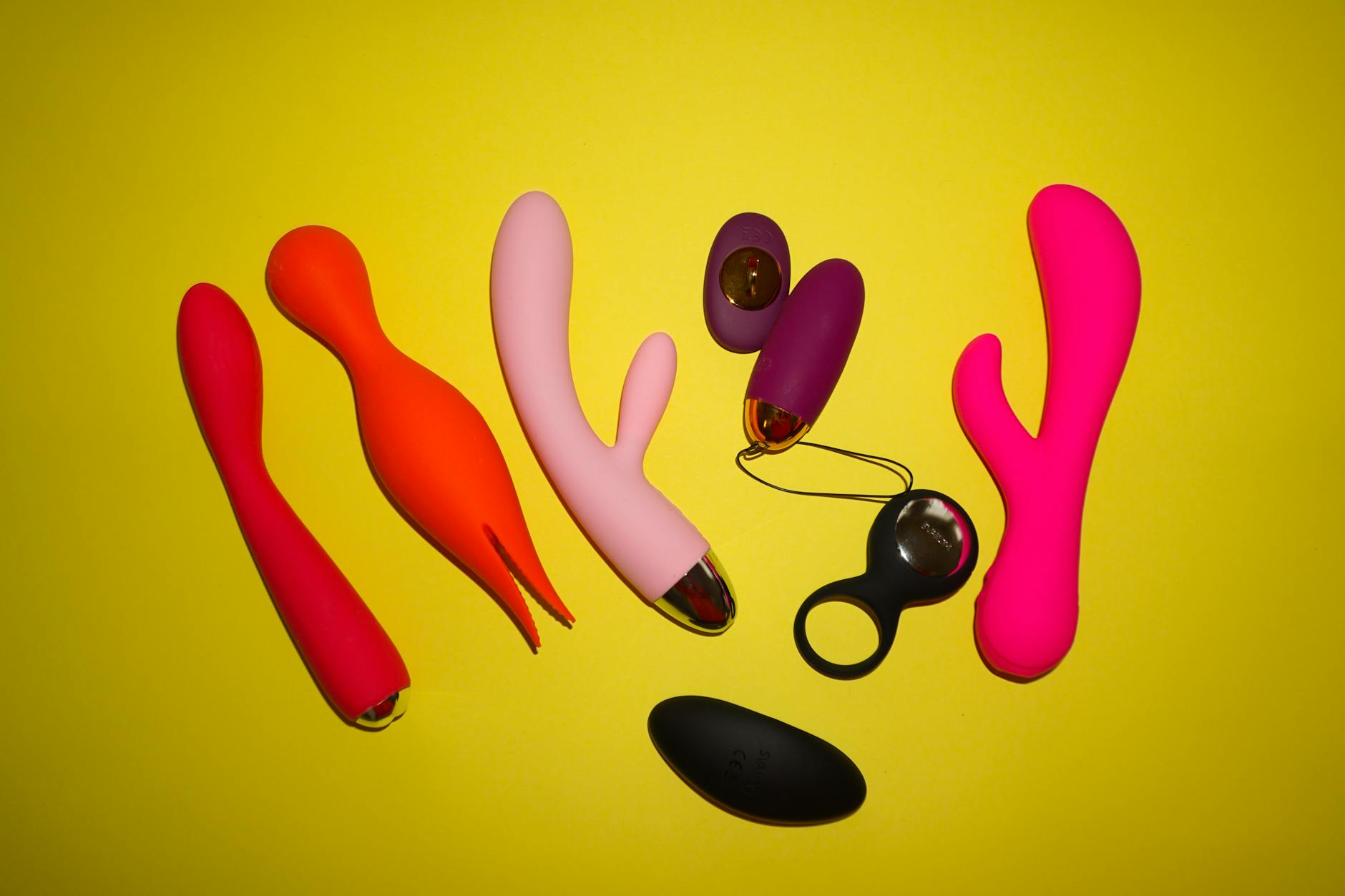
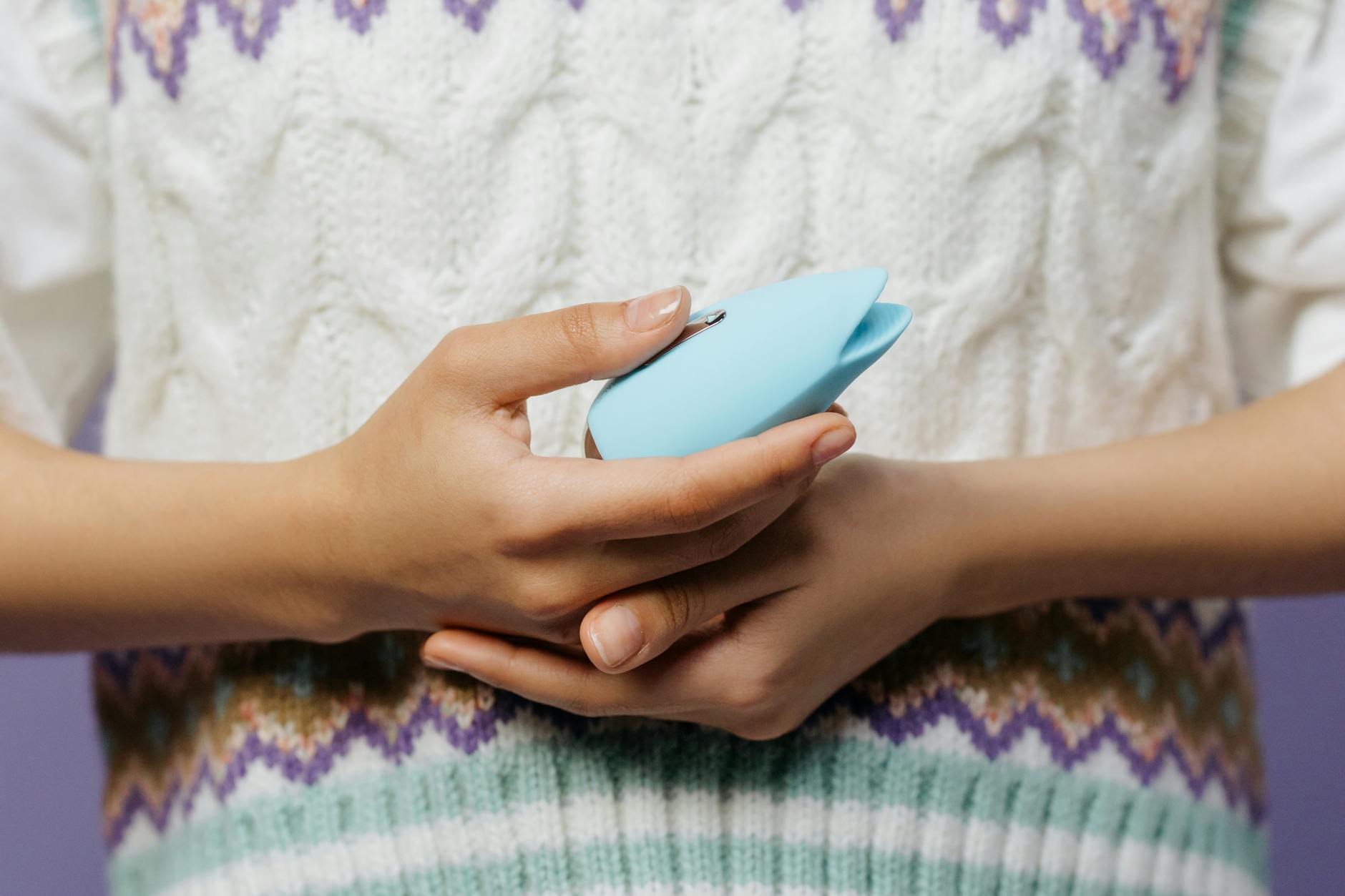
Lemon clitoral vibrators operate through suction and gentle pulsing, not penetration or deep vibration. This matters enormously when arousal feels painful. Suction stimulation typically generates arousal with far less internal pressure than other methods. You're creating sensation on the external clitoris without demanding that the vaginal tissues, pelvic floor, or internal organs participate.
But here's the catch: if your pain stems from pelvic floor tension, a standard lemon vibrator at medium intensity can feel like ramping up the tension even more. Your nervous system senses arousal beginning, clenches in self protection, and the vibrator feels worse, not better. Same issue if inflammation is the culprit. Adding stimulus before inflammation settles will extend the pain response.
If you're experiencing sharp pain at the entrance of the vagina or tightness that builds with arousal, start lower than you think you need to. I mean genuinely low. Set your lemon vibrator to pattern one or two, the gentlest pulse available. Spend five to seven minutes at this level with no goal beyond noticing sensation without judgment.
Your nervous system's job is to protect you. If it's learned that arousal triggers pain, it will stay hypervigilant. Running the vibrator at full power in pattern five or six is essentially telling your nervous system to defend harder. The low-intensity introduction lets arousal build without triggering the clenching response. You're training your body that arousal can start safely.
After a few sessions, the pain often softens just from repeated exposure at low intensity. Once you've spent time at pattern one without discomfort, try pattern two. Then three. This isn't about toughening up. It's about teaching your nervous system that increased arousal doesn't automatically mean pain.
If your pain is more about pelvic floor tightness, a complementary practice is the pause cycle. Use your lemon vibrator for one to two minutes at a very low intensity. Then stop and spend 30 seconds consciously relaxing your pelvic floor. Feel your breath. Imagine the muscles around your vagina and tailbone softening. This isn't a Kegel. It's the opposite. You're learning to actively release tension rather than hold it.
Resume the vibrator for another minute at the same low intensity. Pause again. Release again. The pattern trains your pelvic floor to stay relaxed even as arousal is trying to trigger a clench. Over time, the clenching reflex weakens because you're literally practicing the alternative response.
Many people report that within one to two weeks of daily practice, the pain during arousal drops noticeably. The lemon vibrator isn't magically healing anything. It's a tool that lets you practice the physical state you want your body to learn.
If your pain comes with redness, swelling, or a sensation of rawness, inflammation is likely part of the picture. Before you use a lemon vibrator, inflammation needs attention. This might mean a week of rest, topical anti-inflammatory cream, or a conversation with a gynecologist if symptoms persist.
Once inflammation settles, the same low-intensity ramp strategy applies. But skip vibration entirely for the first few sessions and just focus on light external touch. Once that feels comfortable, introduce the vibrator at the lowest setting.
One more note: if you're dealing with infection (bacterial vaginosis, yeast, or STI), vibration won't help and could spread infection deeper. Get that treated first. Pleasure can wait a week. Infections don't.
If your pain is deeper inside the vagina and arousal-related, the angle and depth of stimulation changes everything. Standard vibrators that penetrate can directly stimulate whatever tissue is inflamed or sensitive. A lemon vibrator used externally on the clitoris avoids internal contact entirely.
But if you're using a lemon vibrator with a partner or alone and you're naturally moving toward internal contact, pay attention to angle. Pain that worsens with deeper pressure often means you're stimulating a specific sensitive area. Instead of pushing deeper, stay shallow. Instead of thrusting, try circles or figure-eights. The external clitoral suction of lemon vibrators actually excels at this because you can explore sensation without any internal component.
Here's something nobody talks about enough: pain during arousal creates anticipatory anxiety. You know arousal might hurt, so your nervous system stays slightly braced the entire time. That bracing is muscular tension, which creates more pain, which confirms the expectation.
Using a lemon vibrator at low intensity in a context where you've explicitly decided pain isn't the goal helps interrupt this loop. You're not trying to reach orgasm. You're not trying to prove anything. You're just introducing arousal sensation at a volume your nervous system can handle without defending.
It sounds simple, and it is. But the psychological shift is enormous. Many people discover that once they've spent time with the vibrator at low intensity without pain, they stop bracing even during other sexual contexts. The expectation of pain loosens.
If pain during arousal persists after two weeks of consistent low-intensity practice, or if it's worsening, see a gynecologist who specializes in sexual health or pelvic pain. Conditions like vulvodynia, endometriosis, vaginismus, or pelvic floor dysfunction need professional assessment.
A good specialist will ask detailed questions about exactly where the pain is, when it started, whether it happens with all forms of stimulation or specific types, and what your pelvic floor feels like on exam. From there, they might recommend pelvic floor physical therapy, topical treatments, oral medication, or sometimes a combination.
The lemon vibrator work you're doing at home isn't separate from professional care. It's complementary. You're gathering information about your body's responses that's incredibly useful to share with a specialist.
Yes, but start at the lowest setting and stop immediately if pain increases. The goal is to gather information about what feels okay and what doesn't. If low-intensity external stimulation feels manageable, that's useful data for your doctor. If even the gentlest sensation triggers pain, that's also useful and suggests you should get professional assessment before continuing.
It's common, but it's not normal in the sense of "just how bodies work." Pain during arousal usually signals something your nervous system or body is responding to, and most of those things are treatable. Don't accept it as permanent or inevitable.
Some people notice difference in a few days. Others take two to three weeks of consistent daily practice. It depends on how long your nervous system has been in protection mode and how much time you can dedicate to the practice.
Completely yes. Anticipatory anxiety tightens muscles, which increases pain, which increases anxiety. Breaking that cycle is half the battle. Using a lemon vibrator in a judgment-free context where you're not forcing results actually helps calm the nervous system.
That's usually a sign of performance pressure or safety-related tension. Practicing alone with a lemon vibrator teaches your body that arousal can happen without external pressure to perform or reach a specific outcome. That skill often transfers to partnered situations.
Always. Friction intensifies pain and can trigger more inflammation. Water-based lubricant reduces friction and often makes low-intensity practice feel less irritating. It's not a workaround. It's part of the strategy.
Arousal pain is fixable. Whether it's pelvic floor tension, inflammation, nerve sensitivity, or psychological bracing, lemon vibrators used thoughtfully can help your nervous system learn that arousal doesn't have to hurt. Start low, go slow, and if pain persists, get professional support. Your pleasure matters, and you deserve to experience arousal as something good instead of something to brace for. If you have questions about how to approach this or need guidance on technique, reach out to us. We're here to help.