Let's start with the thing nobody says out loud
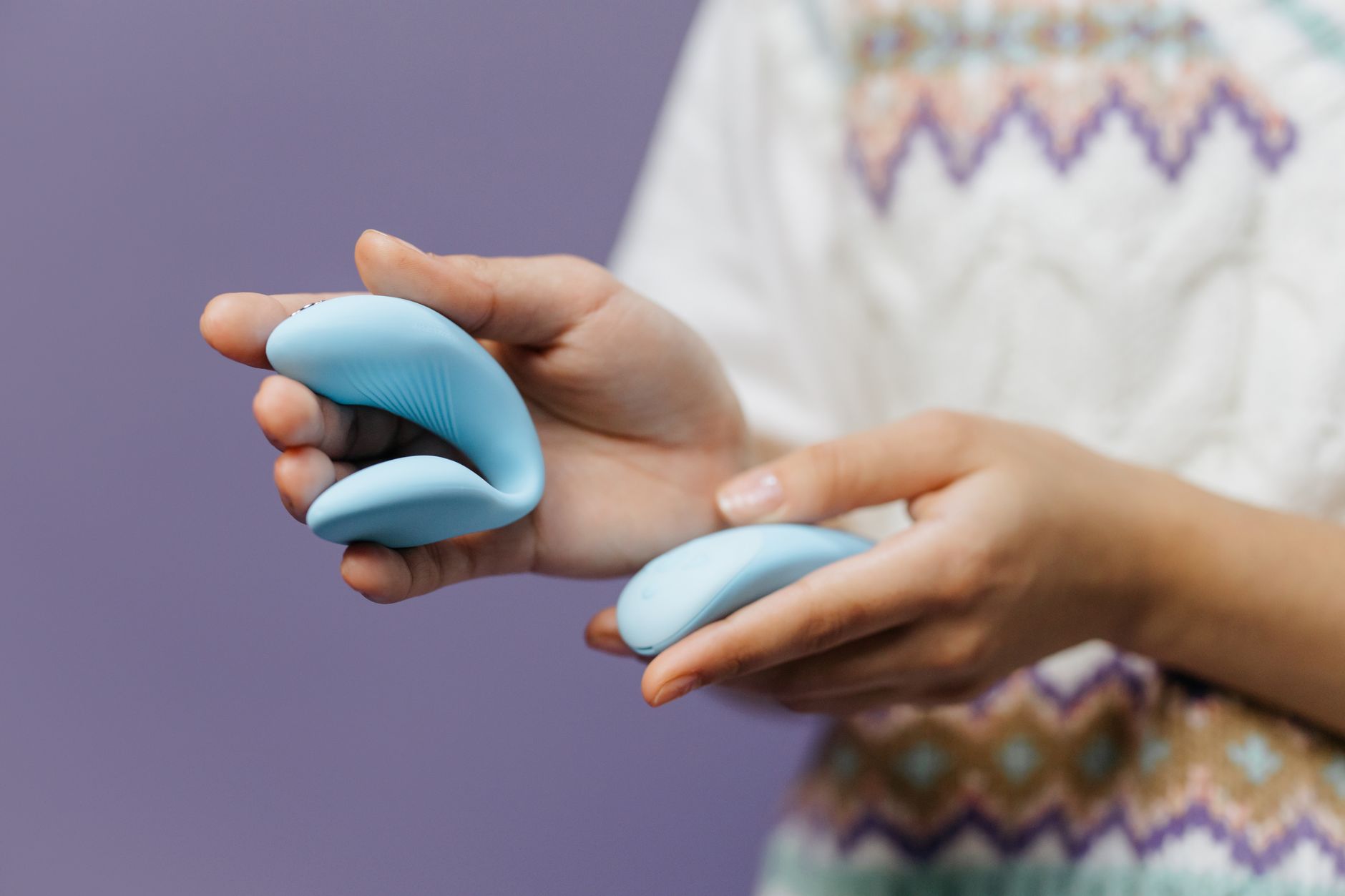
Low libido doesn't mean your body stopped working. It means your brain stopped sending the signal. And here's what changes everything: you don't actually need desire to have an orgasm. You need stimulation, relaxation, and permission. A good lemon clitoral vibrator can handle the first part. The rest is up to you.
I've worked with hundreds of people who came to me convinced their sex drive was dead forever. Most of them weren't broken. They were stuck. And the moment they separated "I don't want sex" from "my body can't respond," everything shifted.
Why low libido happens (and why vibrators still work)
Low libido has a thousand origins. Stress, depression, hormonal shifts, relationship friction, medications, burnout. Sometimes it's physical. Sometimes it's psychological. Most of the time it's both at once, tangled so tightly you can't tell them apart.
The important part: orgasm doesn't require you to feel horny first. Your clitoris has thousands of nerve endings. When you stimulate them directly and consistently, your nervous system responds whether your brain is interested or not. A lemon vibrator works by sending targeted, rhythmic pressure to those nerves. Your desire doesn't have to show up for the sensation to work.
I've had clients who felt zero libido but whose bodies responded powerfully to air-suction technology like the Lem. They didn't get turned on beforehand. They got turned on during. That's not cheating. That's exactly how stimulation is supposed to work.
The actual difference between low libido and low sensitivity
These aren't the same thing, and mixing them up is where most people get stuck.
Low libido is your brain saying "I don't want this." Low sensitivity is your body saying "I can't feel this." You can have both. You can have one without the other. A person with zero libido but normal sensitivity can still have an intense orgasm with the right stimulator. A person with high libido but numbed sensation might struggle with the same tool.
Honestly, figuring out which one you have changes everything about how you approach pleasure.
If your issue is purely low desire, the vibrator becomes permission. You're not waiting to want sex. You're deciding to touch your body anyway, knowing that sometimes pleasure comes first and desire follows. That's the opposite of how we've been taught it works, which is why it feels strange at first.
If your issue is reduced sensation (often from medications, hormonal changes, or anxiety), a lemon clitoral vibrator with suction technology offers something manual stimulation can't: consistent, focused pressure that wakes up your nerves. Start low, build slowly, and give your body time to respond.
How to actually start when desire feels completely flat
Four things that matter more than libido itself.
First, context. Low libido often lives inside a bigger story. You're stressed at work. Your relationship feels distant. You haven't slept well in weeks. You're touched out from parenting or caregiving. None of that will magically disappear when you pick up a vibrator. But you can create 20 minutes where those pressures have to wait. That's not selfish. That's strategic.
Second, zero pressure. Tell yourself right now that you don't have to orgasm. You don't have to feel anything. You're just exploring. This sounds obvious, but most people with low libido have spent months or years feeling broken during sex. You're training your nervous system that pleasure is safe again. That takes time.
Third, start with touch before the vibrator. Run your hands over your body first. Notice where you feel sensation. Most people with low libido have gotten disconnected from physical touch entirely. Your clitoris didn't forget how to feel. You forgot how to listen. Fifteen minutes of gentle touch prepares your nervous system for more direct stimulation.
Fourth, use your lemon vibrator on the lowest setting. Intensity is not your friend right now. You're looking for rhythm, not power. The Lem and other suction-based lemon vibrators work beautifully here because they're gentler than traditional vibration. Start at setting one or two. Let your body decide if it wants more.
The mistake almost everyone makes: they assume low libido means they should be chasing intensity. Wrong. You're not trying to prove anything. You're trying to build a pathway between stimulation and response.
When your low libido is actually relationship friction
This is one I see constantly. Two people who love each other, but the sex has disappeared. And one of them (or both) is convinced it's a libido problem. Sometimes it's connection.
I had a client come in six months ago. She swore her libido was gone. Completely flat. When I asked about her relationship, she got quiet. Turns out her partner had stopped trying. Stopped asking. Stopped acknowledging her sexually at all. Within two weeks of them having an actual conversation about it, her desire came back. Not because anything changed physically. Because she felt wanted again.
If your low libido showed up around the same time your relationship shifted, that's worth examining. You can use a lemon clitoral vibrator solo and absolutely have pleasure. But if the root issue is disconnection with your partner, the vibrator won't fix that. It'll just give you orgasms while you're both feeling distant.
The conversation is harder than the vibrator. But it matters more.
The medications that kill libido (and what actually helps)
Certain drugs are notorious for tanking desire. Antidepressants, blood pressure medications, hormonal birth control, some anti-anxiety meds. If you started one and your libido disappeared, that's not in your head. That's pharmacology.
What helps: talking to your doctor about switching medications or adjusting dosage if possible. Not stopping them. Just exploring options. And while you're figuring that out, a lemon vibrator becomes even more valuable because sensation often outlasts desire. You can use it, get a response, and slowly rebuild the neural pathway between stimulation and pleasure.
Don't wait for your libido to come back to your body. Reconnect to your body anyway.
When to actually see someone about this
If your low libido appeared suddenly and hasn't budged in three months, talk to your doctor. Rule out thyroid issues, hormone imbalances, anemia. If you're on new medications, mention the timing. Most of these things are treatable once they're named.
If the low libido is bundled with depression, anxiety, or persistent stress, a therapist helps. Not because vibrators don't work. Because your nervous system is stuck in a protective state and needs help coming back online. A good therapist gives you tools for that.
If this is happening in a relationship and you've been avoiding it, couples counseling matters. Low libido in partnership isn't something you fix solo. It's something you fix together.
The slow rebuild (it's not as slow as you think)
Here's what typically happens: you use your lemon vibrator a few times with zero expectations. One of those times, something shifts. Maybe not a full orgasm. Maybe just a moment where your body felt alive again. You notice it. You come back. The next time is easier. By week three, you're getting responses. By week six, you're getting pleasure.
It's not linear. Some days nothing happens. Some days everything does. But momentum builds.
The key: you have to show up without the goal. The moment you decide "this time I'm going to have an orgasm," your nervous system knows you've turned it into a test. And you're already failing because you showed up with low libido. So you showed up not expecting to pass.
Separate the showing up from the outcome. The vibrator is just a tool. You're the one doing the work of reconnecting.
People also ask
Can you have an orgasm with low libido?
Absolutely. Desire and the physical capacity for orgasm are separate systems. You can have zero libido and a powerful orgasm if you're stimulating the right nerve endings with the right kind of pressure. That's why tools like lemon clitoral vibrators work even when your brain isn't interested. Your body can respond independently of your desire.
How long does it take for libido to come back?
That depends on what caused it to drop. If it's medication-related, it might shift within weeks of adjusting your dosage. If it's stress or relationship-based, it could take months of actually addressing the underlying issue. If you're using a vibrator to rebuild sensation while the rest settles, you might notice changes in 3-6 weeks. But libido isn't linear. It can come roaring back one day and disappear the next.
Do lemon vibrators work if you're not in the mood?
Yes. In fact, they often work better if you're not in the mood because you're not trying to prove anything. You're just touching your body with a tool that creates consistent stimulation. Your nervous system responds to sensation, not to desire. A clitoral vibrator like the Lem uses suction technology that can trigger pleasure even when arousal hasn't shown up yet.
What if using a vibrator makes me feel guilty?
That's worth examining, because guilt is often the biggest barrier to pleasure. It might come from beliefs about what sex is supposed to look like, or from shame around your body, or from feeling like you don't deserve pleasure right now. None of those beliefs are true. You deserve orgasms regardless of your libido. If the guilt is strong, talking to a therapist can help you untangle where it came from and give you permission to have pleasure anyway.
Should I tell my partner I'm using a lemon vibrator?
That depends on your relationship. Some partners want to know and be involved. Some partners feel hurt if they don't know. Some partnerships have no reason to discuss it. The question isn't "what should I do?" It's "what do I need from my partner right now?" If you need to feel supported, that's a conversation. If you need solo space to rebuild your own pleasure, that's also a conversation. The avoiding part is what creates resentment.
Can low libido come back on its own?
Sometimes, but not usually without something changing. Low libido is often your body's way of saying something needs attention. Stress needs to reduce. The relationship needs repair. Medications might need adjusting. Burnout needs recovery. Your body won't suddenly want sex again if the underlying issue is still there. But when you start addressing what caused it, libido often returns gradually.
What comes next
Low libido is not a character flaw. It's not a sign your body is broken. It's a signal that something in your life or your body needs attention. Sometimes that something is connection. Sometimes it's rest. Sometimes it's just permission to have pleasure in a new way.
A lemon vibrator won't fix what caused your low libido. But it can help you remember what pleasure feels like while you figure out the bigger picture. Start small. Show up without expectation. Give your body time. And if nothing shifts after a few months, reach out to someone who can help you dig deeper. That might be a doctor, a therapist, or a partner you trust. You don't have to figure this out alone.
Your pleasure matters even when your libido doesn't show up. Especially then.