Let's get straight to it
Pregnancy changes sex. Doctors used to tell pregnant people to avoid pleasure devices entirely, and honestly, that advice was rooted in outdated caution, not evidence. The truth is simpler: lemon vibrators and other clitoral vibrators are safe during pregnancy for most people, but there are real timing and technique considerations that matter.
I work with couples navigating pregnancy transitions regularly. The couples who maintain intimacy and pleasure during those nine months report stronger connection during labor, faster emotional recovery, and more resilience in the postpartum period. Pleasure isn't a luxury during pregnancy. It's maintenance.
What changes during pregnancy
Your blood flow increases dramatically. The vulva becomes engorged more easily, which sounds great (and often is), but it also means sensation can feel intense faster and sometimes overwhelming. Your pelvic floor muscles are under more pressure as pregnancy progresses, which affects how vibration feels.
Hormone shifts change tissue texture. Early pregnancy often feels like heightened arousal. By the second trimester, many people report easier orgasms. The third trimester is wildly individual. Some people peak at nine months. Others find sensation uncomfortable.
The one thing that shouldn't change: your right to explore what feels good.
The safety picture
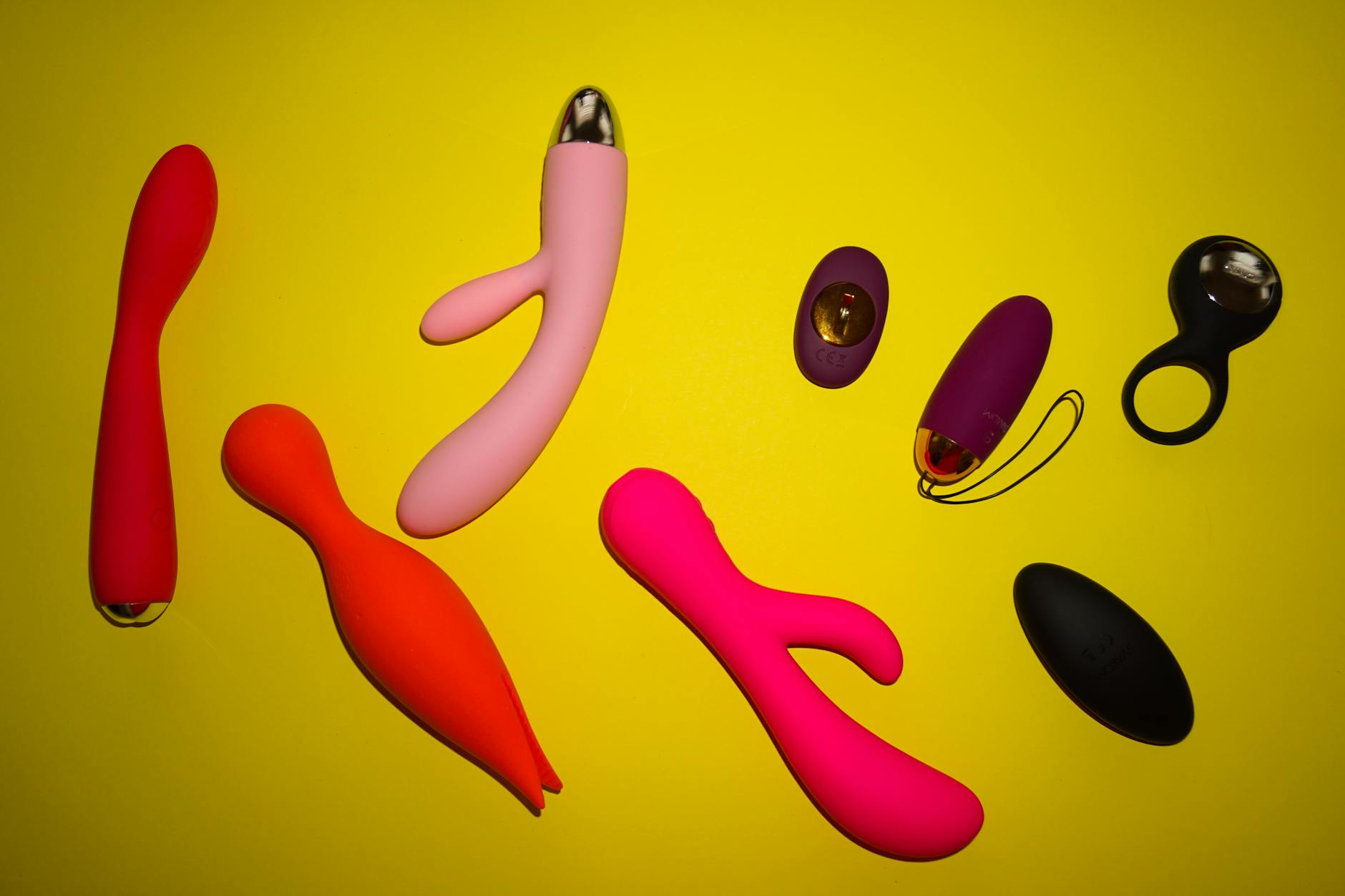
Here's what the evidence actually says. Orgasms during pregnancy are safe. Full stop. Vibrators are safe. Lemon clitoral vibrators specifically create suction and gentle pulsing rather than aggressive internal vibration, which makes them a particularly smart choice during pregnancy.
What matters: no thrusting into the cervix, no intense internal stimulation, and no vibration directly on the cervix. External stimulation with a device like the Lem carries virtually zero risk, because you're stimulating the clitoris and vulva, not the cervix or uterus.
Your provider might have specific guidance based on your health history, so always ask. But for most healthy pregnancies, there's no medical reason to stop using a clitoral vibrator. The biggest risk is feeling guilty about it, which actually increases stress and lowers oxytocin. That's not good for anyone.
Trimester-specific timing
First trimester, many people feel exhausted or nauseated. This isn't the time to push intimacy. Let your body tell you what it wants. If you feel aroused, a lemon vibrator works beautifully. If you don't, that's normal.
Second trimester is often the sweet spot. Morning sickness usually lifts. Energy returns. The bump isn't large enough to be uncomfortable yet. This is when a lot of couples find themselves reconnecting sexually. The Lem or other clitoral vibrators work exactly as they normally do.
Third trimester is where it gets nuanced. Some people experience lightning crotch (sharp pain in the vulva), which makes vibration uncomfortable. Others find that gentle stimulation actually eases tension. Some providers recommend avoiding orgasm in the final weeks if you have a history of preterm labor or other complications. This is the trimester to check in with your OB or midwife.
How to actually use lemon vibrators safely when pregnant
Start slow. Your arousal response is faster now, and sensitivity is higher. Begin at pattern one on the Lem and work up. You might find you need less intensity than you did before pregnancy.
Use lubrication every time. Pregnancy doesn't usually cause the dryness that menopause does, but the tissue is more sensitive. A water-based lube reduces friction and makes the experience more comfortable.
Stay aware of your position. Lying on your back becomes uncomfortable after about 20 weeks because the weight of the uterus can compress major blood vessels. Use a wedge pillow or lie on your side. Sitting upright or kneeling works fine too.
Watch for pain. If you feel cramping, sharp pelvic pain, or unusual pressure, stop and call your provider. That's not paranoia. That's good information.
Talk to your partner about what you're doing. This is the time when a lot of couples either grow closer or drift apart. If you're using lemon vibrators solo or with a partner, don't hide it. The honesty matters more than the stimulation.
What not to do
Don't use anything internally that could introduce infection. This includes inserting lemon vibrators or other toys into the vagina. During pregnancy, the vaginal environment is more vulnerable and bacterial balance is delicate.
Don't do anything that creates intense uterine contractions if you have a history of preterm labor or have been advised by your provider to avoid orgasm. For most people, gentle orgasms are fine. For some, your doctor needs to weigh in.
Don't assume that increased blood flow means you should go harder. The opposite is often true. Light stimulation during pregnancy can feel more intense than heavy stimulation before pregnancy.
Don't let embarrassment stop you from asking your OB or midwife directly. They've heard it all. They'd rather you ask than guess wrong.
Why intimacy matters right now
Pregnancy is a transition that tests every relationship. The body changes. Attraction gets complicated. Fear creeps in. Pleasure is one of the fastest ways back to connection when things feel distant.
Studies on labor outcomes show that people who maintain sexual contact and pleasure during pregnancy tend to have shorter labors, less complications, and lower postpartum depression rates. That's not magic. That's oxytocin, trust, and feeling wanted during a time when your body feels profoundly not your own.
Using a lemon vibrator or other clitoral vibrator during pregnancy is not selfish. It's not irresponsible. It's you taking care of yourself and your relationship while your body does something extraordinary.
The conversation with your partner
If you're partnered, this is the moment to talk explicitly. Not vaguely. Not hinting. Actually say: "I'd like to use a vibrator during pregnancy. Here's why. Here's what feels good. Here's what I need from you."
Partners sometimes get nervous that vibrators mean something is wrong. They don't. Use that conversation to explain what's actually happening: your body is changing, sensation is different, and you want to keep pleasure and connection alive during a vulnerable time.
If your partner is hesitant, send them to this: How to Use Lemon Vibrators When Your Partner is Hesitant About Toys. It breaks down the concerns and the evidence in a way that usually lands.
When to hold off
If you have a history of miscarriage, ask your provider before using vibrators. Most miscarriages happen due to chromosomal issues, not because of vibration, but your doctor knows your specific situation.
If you've been told to avoid sexual activity due to placental complications, preterm labor risk, or other conditions, follow that guidance. Pleasure is important, but your health comes first.
If you're experiencing pain during stimulation, that's your signal to pause. Pregnancy pain is sometimes normal, sometimes urgent. Don't guess.
If you feel pressure or heaviness in your pelvic floor that gets worse with vibration, the third trimester might be the time to switch gears. Some people find that solo stimulation feels better than partnered sex late in pregnancy. Others want nothing at all. All of that is fine.
FAQ
Can vibrators cause miscarriage?
No. Miscarriages are caused by chromosomal issues, infections, clotting disorders, immune problems, or structural issues with the uterus. Vibration on the clitoris and vulva doesn't cause miscarriage. Orgasms don't cause miscarriage in a healthy pregnancy. What matters is whether your provider has given you specific restrictions based on your health history.
Will orgasms trigger labor?
Orgasms cause the uterus to contract, which is why people used to worry about them. But those contractions are mild and don't trigger labor in a healthy pregnancy. In fact, some midwives suggest sexual activity late in pregnancy to help ripen the cervix naturally. If you're overdue and your provider is comfortable with it, orgasms might actually help.
Is it safe to use lemon clitoral vibrators in the third trimester?
Yes, for most people. The key is checking with your provider about your specific situation. If you have preterm labor risk, placental issues, or other complications, they might recommend caution. For straightforward pregnancies, gentle clitoral vibration is safe right up until labor.
What if my partner feels weird about me using vibrators while pregnant?
This is common and worth addressing directly. Some partners worry it means they're not enough. Others feel like they're being replaced. Have a real conversation about what intimacy means to you both right now. How to Use Lemon Vibrators When Your Partner is Hesitant About Toys offers language for that conversation.
Can I use vibrators after birth?
Yes, but wait for medical clearance, usually four to six weeks for vaginal birth and six to eight weeks for cesarean. After that, if you've been cleared for penetrative sex, you can use vibrators. Start gently, especially if you're breastfeeding, because your tissues are still healing and hormones are in flux.
Is the Lem design safe during pregnancy?
The Lem's suction mechanism is designed for external clitoral stimulation, which makes it an excellent choice during pregnancy. It doesn't thrust, doesn't need insertion, and the gentle pulsing is usually easier to control than traditional vibration. Start at lower intensities and adjust based on what feels good.
You deserve pleasure at every stage
Pregnancy is not a time to pause your body's capacity for pleasure. It's a time to adapt it. Lemon vibrators, clitoral vibrators, and other tools designed for external stimulation fit perfectly into this phase of life. What matters is asking your provider the specific questions, talking honestly with your partner, and listening to what your pregnant body actually wants.
Sex and pleasure during pregnancy aren't luxuries. They're one of the best tools you have for staying connected to your partner, maintaining your mental health, and building resilience for the enormous transition coming. Use them.
Have questions or concerns about your specific situation? Get in touch with us. We're here to support you.