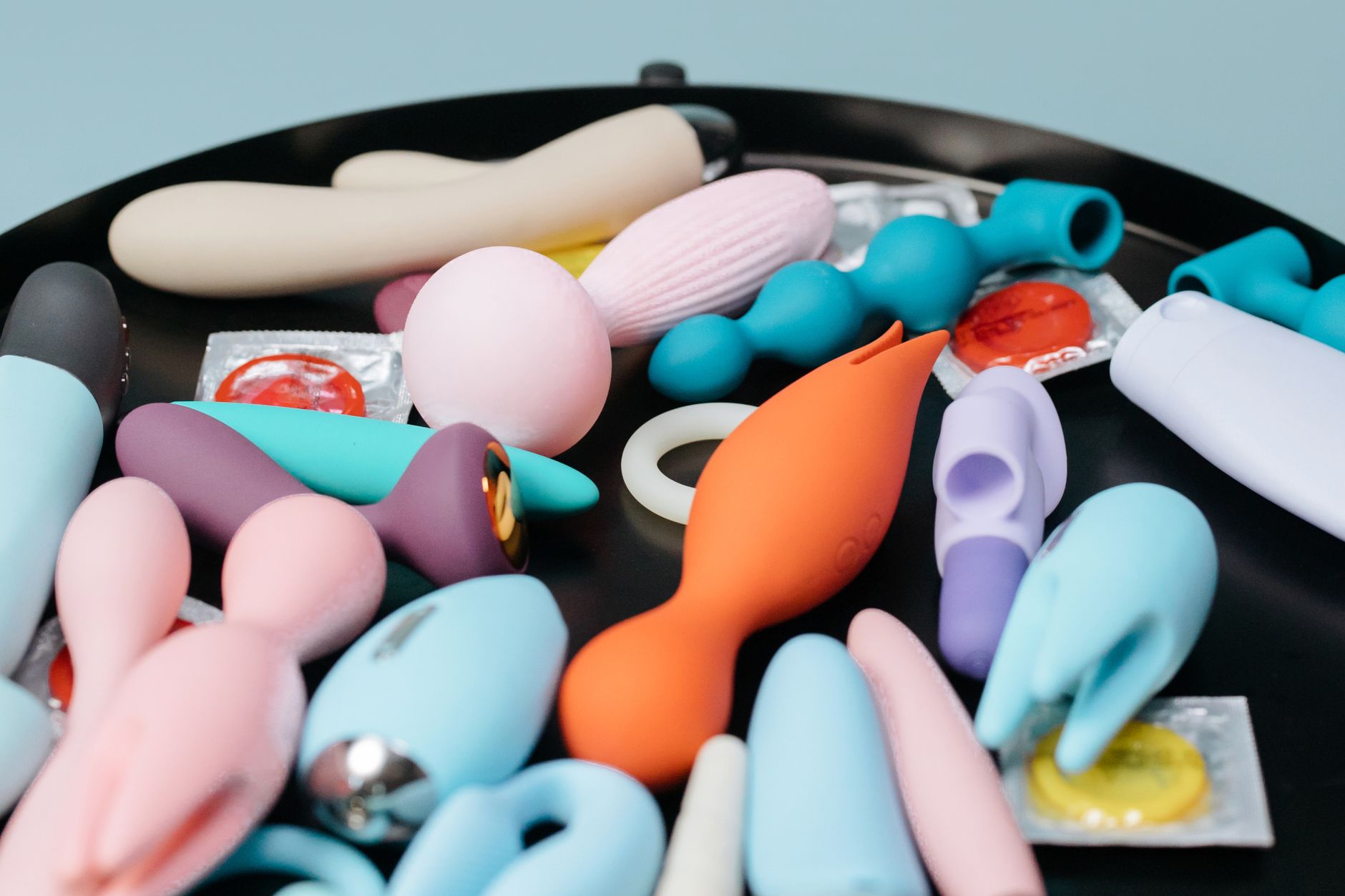
How to Choose Lemon Vibrator Intensity Levels for Your Sensitivity
Let's be real. When you first hear about lemon vibrators, you probably imagined one setting: full blast. That's not how this works. The magic of a quality clitoral vibrator like the Lem isn't in cranking it to maximum. It's in matching the intensity to where you actually are right now.
Your sensitivity isn't fixed. It shifts with your cycle, your stress level, medications, how long it's been since you last had pleasure, what's happening in your relationship, and a dozen other factors. Intensity settings exist for a reason. Let's talk about how to use them.
Why intensity matters more than you think
Here's something most people get wrong about vibrators: they assume intensity means strength, and strength means better. That's backward. When the intensity doesn't match your current sensitivity, one of two things happens. Either you feel nothing, which kills your confidence and makes you assume you're broken (you're not). Or you feel overstimulated, numb out, and end up needing even more intensity next time. That's a one-way ticket to desensitization.
The sweet spot is when the vibration feels alive against your body. Not numbing. Not muted. Not forcing you to brace yourself. That signal is everything.
When I work with couples or individuals around vibrator use, the most common mistake is starting too high. People think they need to "test the limits," but your clitoris has thousands of nerve endings designed for precision, not power. A lemon vibrator's air-suction design is gentler than traditional vibration anyway, which means you actually need less intensity to achieve full sensation than you might with older toys.
The baseline sensitivity map
Think about your current sensitivity on a spectrum. This changes, so you'll come back to this assessment.
Low baseline sensitivity (common after hormonal birth control, certain antidepressants, or long stretches without solo time): Start at patterns 1-2 on any clitoral vibrator. Spend at least 15-20 minutes in this range before considering a bump. Your nervous system needs time to wake up.
Medium baseline sensitivity (your typical state): Patterns 2-4 are your landing zone. This is where most people find their rhythm. You can explore slightly higher for novelty, but you'll return here.
High baseline sensitivity (post-menstrual, highly aroused, naturally responsive): Patterns 1-3 may actually feel too gentle. You might find your sweet spot at 4-5. But here's the trap: just because you can go higher doesn't mean you should every time.
Why? Because intensity is like seasoning. You can adjust a meal up at any time, but you can't take it back once it's too much.
The real-world patterns that shift everything
Your sensitivity isn't the same on Tuesday as it is on Saturday. Four things that genuinely matter:
Your menstrual cycle (if you menstruate). Days 1-7 of your cycle, you're generally less sensitive. Days 14-21, more so. This isn't intuition. It's estrogen fluctuating. If you use a lemon clitoral vibrator three times a month, and you're always starting at pattern 4, you're probably undershooting twice and overshooting once. Track it. Adjust accordingly.
How long it's been. Six weeks without partnered sex or solo time? Your baseline drops. That first session back, go gentler than you think you need to. Your tissues have less blood flow, and your nervous system hasn't been sending those signals recently. You'll actually feel more with less intensity because you're not comparing it to last week's sensation.
Stress and sleep. Cortisol and adrenaline literally block the neurochemical pathways that register pleasure. If you're running on four hours of sleep or you've had a brutal work week, you're not broken when lower intensity feels way more satisfying than you remember. You're actually practicing good nervous system health. Go slower. Breathe more. Your body's telling you something.
What you're thinking about. Mental load kills sensitivity. If you're running a grocery list in your head, you'll need higher intensity to feel anything at all. This isn't a lemon vibrator problem. This is an attention problem. Actual pro move: when you notice your mind wandering, stop for 30 seconds, take three deep breaths, and reset your focus. Then start again at a lower pattern. You'll feel the difference immediately.
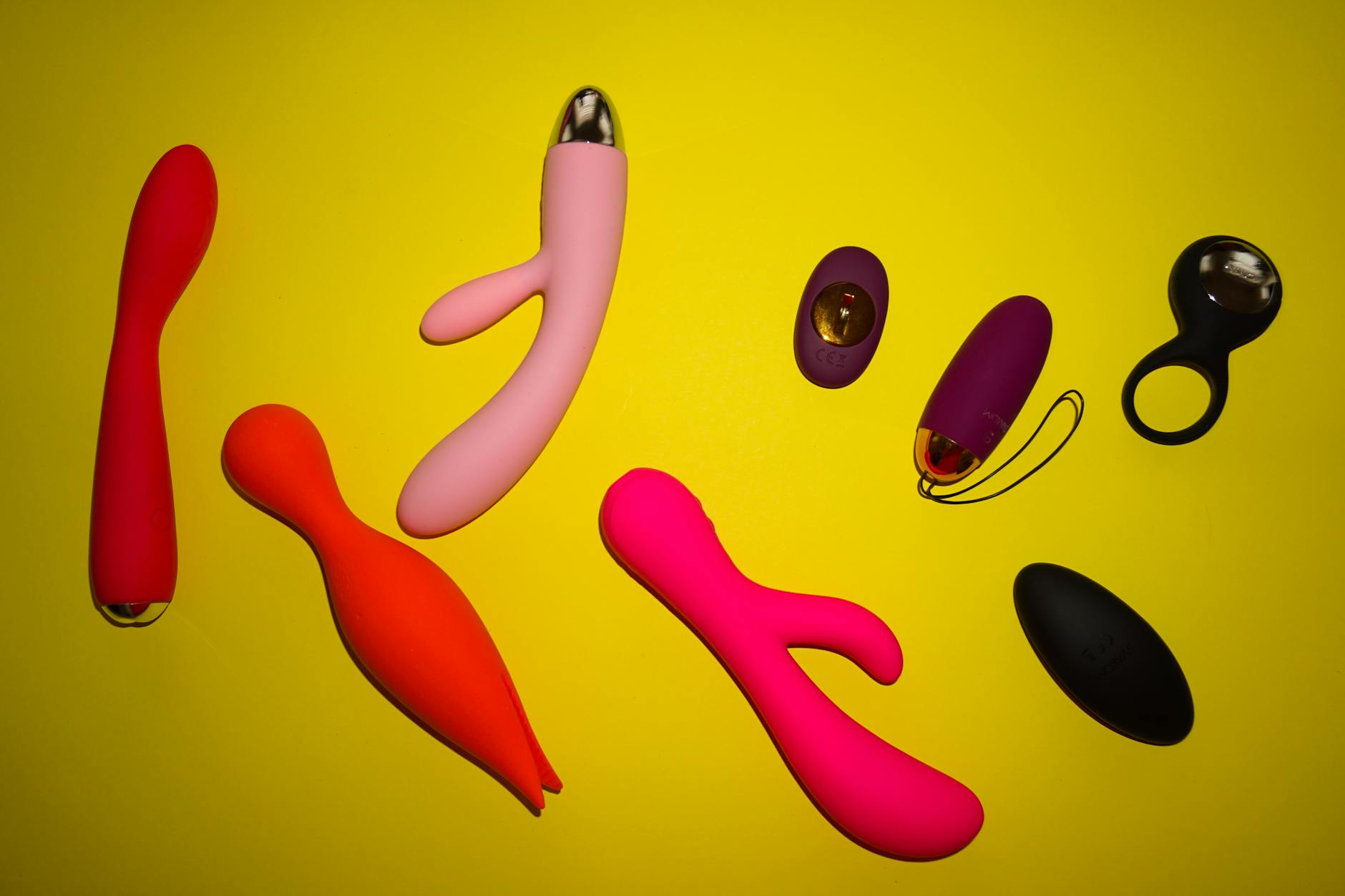
Photo by FounderTips on Pexels
How to actually find your starting point
Forget guessing. Here's a method that works.
First session with a new lemon vibrator, use it solo. No partner, no performance pressure. Give yourself 30 minutes without distractions (phone off, door locked). Start at pattern 1. Seriously. Even if it feels too gentle. Sit with it for 2-3 minutes. You're not trying to orgasm yet. You're learning what your body's baseline feels like right now.
After 2-3 minutes at pattern 1, move to pattern 2. Stay there another 2-3 minutes. You're building a map. Notice the character of the sensation, not just the intensity. Air-suction vibrators like the Lem feel different from traditional vibration. You're learning what you prefer.
Keep moving up one pattern every 2-3 minutes until you hit a point where you think, "Okay, I could stay here." That's your sweet spot for today. Don't keep climbing. Spend the next 15-20 minutes in that zone. This is how your body learns what pleasure actually feels like with this particular toy.
Write it down. Pattern X, how long you spent there, how it felt, what was happening around you (tired? stressed? freshly showered?). Do this three times over the next two weeks. You'll start seeing patterns in your own patterns.
Why you'll want to shift intensity over time
Here's the thing nobody tells you about vibrators: novelty matters. If you use pattern 3 every single time, eventually pattern 3 becomes your baseline. It feels neutral. Then you need pattern 4 to feel anything. Then pattern 5. That's not the toy failing you. That's your nervous system adapting.
The fix is rotating your intensity intentionally. If you typically settle at pattern 4, spend a week or two going back to patterns 1-2. Let your nervous system recalibrate. When you return to pattern 4, it'll feel fresh again. This is the opposite of chasing sensation. It's honoring your body's need for variation and rest.
When you're with a partner, this gets even more interesting. You can use lower intensity during longer sessions, higher intensity as a finale. You can start low and build. You can use the toy's different patterns to change the character of sensation without necessarily going "bigger."
Intensity with a partner is a whole different conversation
If a partner's involved, especially if they're new to this, resist the urge to hand them the toy on pattern 3 with no context. "Just feel where it's good" sounds romantic and is actually terrible advice. Here's better: start the lemon vibrator yourself at a low pattern. Let them watch and learn what you respond to. Then they can take over, starting low.
This matters for two reasons. One, they learn your map instead of guessing. Two, they experience the difference between each intensity level instead of assuming it's all "vibration." People who've only ever had one-setting toys don't intuitively understand why starting slow is better. Showing them shifts everything.
If you're rebuilding connection with a long-term partner, go slower than solo. I know that sounds counterintuitive. But lower intensity actually requires more presence from both of you. There's less room to zone out. It's harder to fake response. Start at pattern 1 or 2 and stay there. You might find that the most satisfying experiences you have are actually at lower settings where you're completely present and attuned.
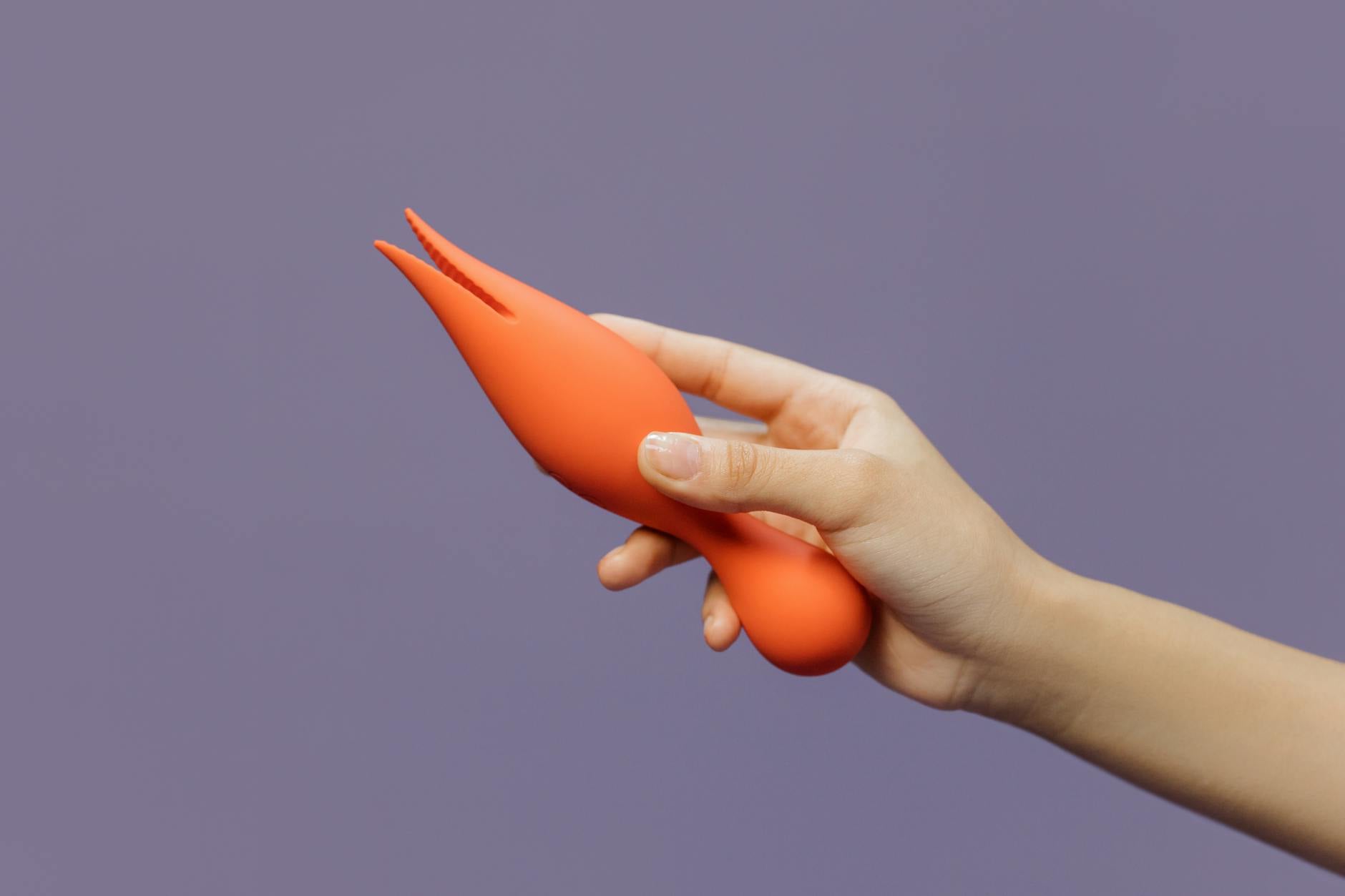
Photo by cottonbro studio on Pexels
Common intensity mistakes and how to fix them
Mistake 1: "I started at pattern 1 and felt nothing, so the toy is broken." Reality: Your baseline is just lower than you expected right now. Don't jump to pattern 5. Spend three full sessions at patterns 1-3 with zero pressure to orgasm. Your body needs time. If after three sessions you still feel nothing, that's a signal to check in about stress, medications, or sleep. The toy is probably fine.
Mistake 2: "I need pattern 5 every time or I can't feel anything." Reality: You've been chasing intensity and your nervous system is adapting. Take a two-week break or rotate deliberately into lower patterns. When you come back to higher intensity, it'll feel like you're using a brand new toy. This reset isn't failure. It's smart management.
Mistake 3: "Lower intensity feels boring so I skip straight to maximum." Reality: You're confusing novelty with sensation. Boring is a mental state, not a body state. Try using pattern 1 or 2 for 25 minutes instead of five. Boredom usually disappears around minute seven. You'll actually experience more nuance at lower intensity than you ever do at maximum. The Lem was designed with precision exactly for this reason.
Mistake 4: "My partner thinks intensity should go up over the course of our relationship." Reality: The opposite usually strengthens intimacy. Long-term couples who learn to use lower intensity actually report deeper connection and longer sessions. There's less pressure, more presence, more room for spontaneity. If intensity has been creeping up, try a deliberate reset where you both agree to stay at patterns 2-3 for a month. Notice what changes.
The intensity conversation with yourself
Intensity preferences are deeply tied to how you feel about your own pleasure. If you always jump to high intensity, ask yourself why. Is it habit? Genuine preference? Fear that low intensity won't "count"? Anxiety that you're taking too long? These are real questions worth sitting with.
Similarly, if low intensity is comfortable but you never explore higher, check in. Are you afraid of your own response? Worried about seeming too sexual? Protecting yourself from disappointment if something doesn't work out? These questions aren't therapeutic. They're practical. Your intensity choices are your choices. Owning them matters.
Consider trying the Lemon Vibrator guide for a full breakdown of how different Hello Nancy toys handle intensity and what might fit your body and preferences best.
FAQs: Intensity, sensitivity, and lemon vibrators
How do I know if I'm using too high an intensity?
You'll feel numb or tingly in a disconnected way (not the good kind of tingles). Your body goes kind of blank. You're pushing through rather than riding a sensation. If you notice this during a session, go down two patterns and stay there for five minutes. You're actually resetting your sensitivity in real time. This is your nervous system saying it needs a break.
Does intensity change if I use the Lem with a partner versus alone?
Yes, often. Many people find they prefer lower intensity with a partner because there's less performance pressure and more intimacy. Alone, you might naturally go higher because you're fully focused on sensation. Both are normal. The point is noticing the difference and leaning into whatever actually serves you.
Why does the same intensity feel different on different days?
Your body is not a machine. Hydration, sleep, hormones, stress, how recently you ate, whether you're cold, your emotional state, and even what you wore that day affect sensitivity. This isn't a flaw. It's reality. The wisdom is adjusting rather than fighting it.
Can low intensity settings actually lead to orgasm?
Absolutely. Many people's strongest orgasms come at medium or even low intensity because the experience is less about overstimulation and more about precision and presence. The Lem's air-suction design is particularly effective at lower patterns because suction is already quite direct.
I'm worried lower intensity means I'm "not good at" pleasure. How do I shake that?
You're confusing intensity with capacity. Low intensity doesn't mean low pleasure. It often means higher pleasure because you're actually present. Challenge yourself to do one full session at patterns 1-2 with zero judgment. Most people are shocked by how satisfying it actually is. Your sensitivity isn't the measure. Your presence is.
What if my partner wants higher intensity but I prefer lower?
That's a conversation, not a compromise where someone goes uncomfortable. "I like when we slow down to pattern 2 because I can feel you more" is totally valid. "I prefer the intensity at 4 because that's where I feel most responsive" is equally valid. You don't have to match. You find a rhythm that works for both of you, which often means taking turns or creating sessions with intentional variety.
The real takeaway
Intensity isn't about how powerful the toy is. It's about matching what the toy offers to what your body needs right now. That matching point shifts. That's not weakness. That's wisdom.
Start low. Notice what you feel. Adjust. Write it down. Repeat. Within two or three weeks, you'll have a real map of your own sensitivity and what actually works. That map is worth more than any intensity setting. It's the difference between using a lemon vibrator and actually knowing your own pleasure.
Ready to explore? Contact us if you want guidance on choosing the right Hello Nancy clitoral vibrator for your body, or check out our full collection at our shop.
References and further reading:
This article draws on clinical insights from relationship therapy, sex education research on sensation and neurophysiology, and direct feedback from thousands of people using air-suction clitoral vibrators. If you're working with a healthcare provider around sexual health changes, bringing this intensity-mapping approach to your conversations can help clarify what's shifted and why.